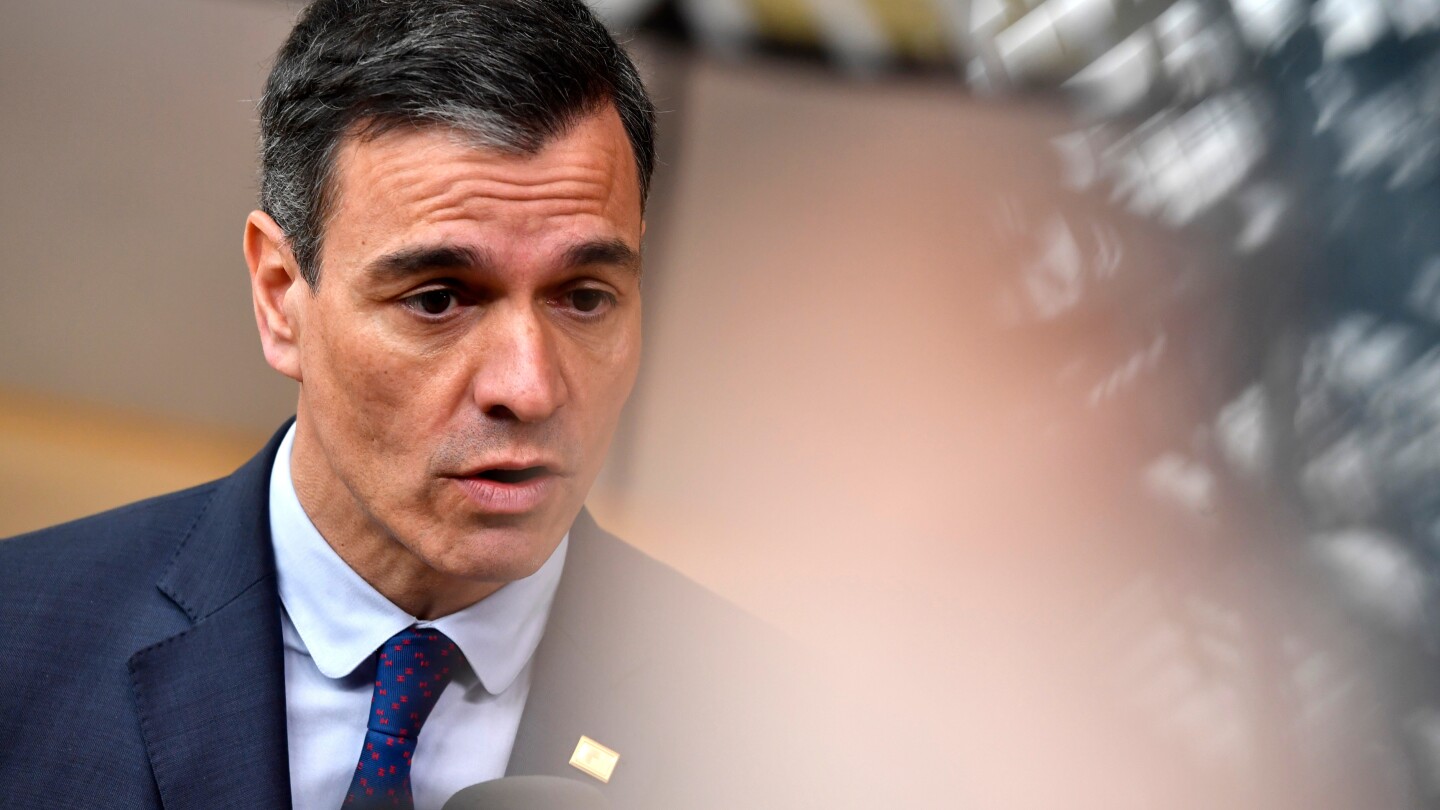
While European leaders increasingly adopt restrictive immigration policies amid rising far-right influence and warnings of “civilizational erasure” from Trump-aligned voices, Spanish Prime Minister Pedro Sánchez champions a markedly different approach. Spain has welcomed millions from Latin America and Africa in recent years, with Sánchez consistently highlighting the substantial economic and social benefits these immigrants bring to Europe’s fourth-largest economy.
The Iberian nation’s immigration strategy appears to be yielding significant dividends. Spain’s economy has outperformed all other EU members for two consecutive years, partially attributable to immigrants revitalizing its aging workforce. Sánchez frames Spain’s choice as fundamental: “being an open and prosperous country or a closed and poor one.”
This stance distinguishes Spain within the Western political landscape. Unlike France’s Emmanuel Macron, who now references “the migration problem,” or Germany’s Friedrich Merz, who pledged migration policy toughening, Sánchez directly confronts anti-immigrant narratives. His government amended immigration laws to facilitate residency and work permits for hundreds of thousands of undocumented migrants, addressing critical labor shortages that threaten Spain’s social benefits system.
Despite these progressive measures, Sánchez’s government faces political constraints. A more ambitious amnesty proposal stalled in Parliament due to contentious politics and European context. Simultaneously, Spain has implemented border control measures, collaborating with African nations and the EU to reduce irregular arrivals. Migrant arrivals to the Canary Islands have decreased 60% this year, though rights advocates criticize policies they associate with migrant deaths.
Spain’s immigration landscape is uniquely shaped by its historical connections. Over 4 million legal residents from Latin America benefit from language sharedness and citizenship fast-tracking. However, rapid population growth has exacerbated housing affordability issues, prompting government pledges to increase construction and regulate foreign property purchases.
The Spanish model demonstrates the complex balance between humanitarian values, economic necessities, and political realities in contemporary migration governance.