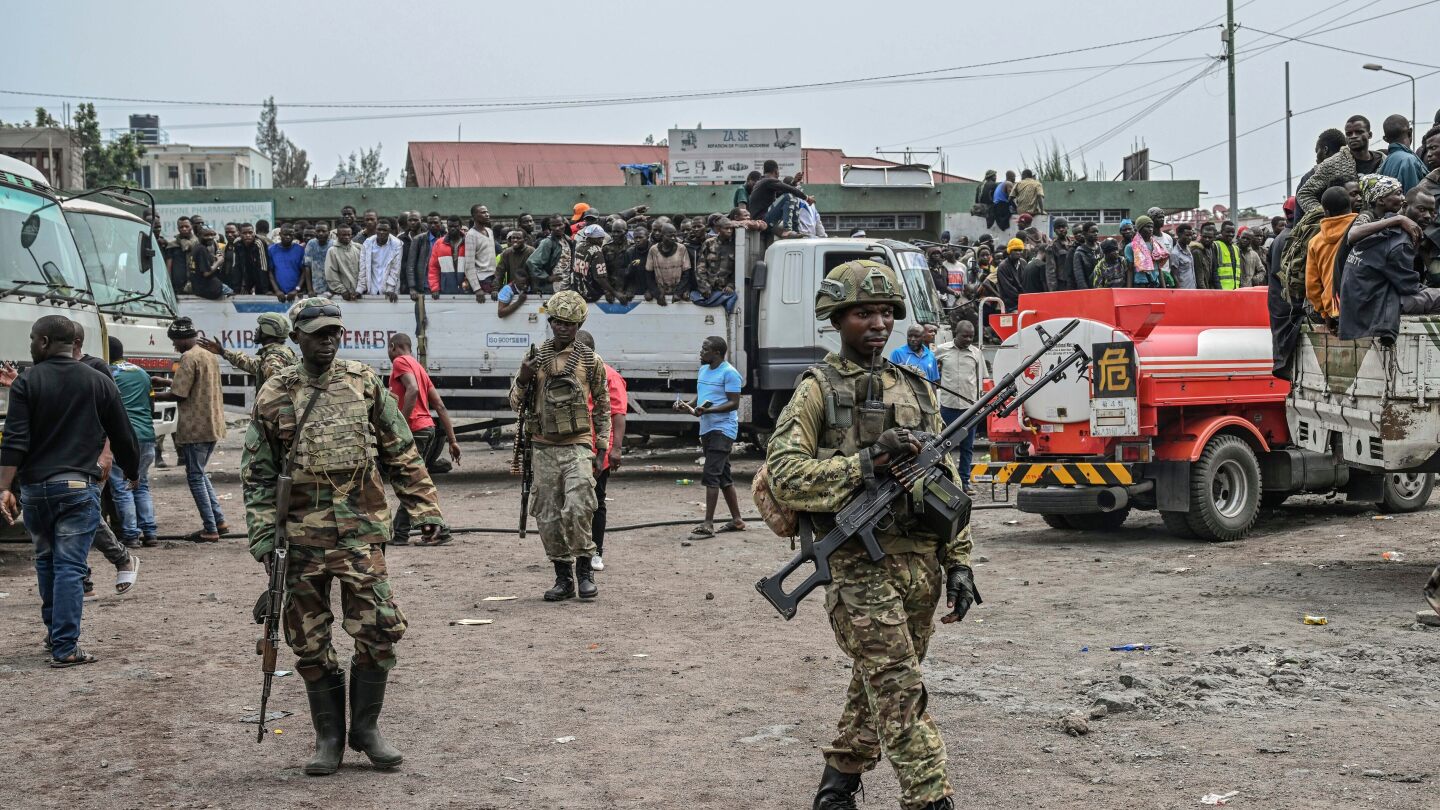
In a significant diplomatic initiative, U.S. President Donald Trump convened the leaders of the Democratic Republic of Congo and Rwanda at the White House on Thursday to formalize a peace agreement addressing one of Africa’s most protracted conflicts. This high-stakes mediation effort seeks to resolve tensions that have persisted for over two decades in Congo’s mineral-rich eastern regions.
The conflict, which traces its origins to the aftermath of Rwanda’s 1994 genocide, has recently escalated with the Rwanda-backed M23 rebel group capturing strategic cities including Goma and Bukavu earlier this year. Despite previous mediation attempts by Qatar and the United States, ceasefire violations have continued with both M23 rebels and Congolese forces accusing each other of breaching agreements.
At the heart of the dispute lies complex ethnic tensions between Hutu and Tutsi communities, with Rwanda alleging that Congo provides sanctuary to Hutu militias responsible for the genocide, while Congo accuses Rwanda of backing Tutsi-dominated M23 rebels under the pretext of protecting ethnic Tutsis. United Nations experts estimate approximately 6,500 M23 fighters currently operate in eastern Congo, with up to 4,000 Rwandan forces reportedly deployed in the region.
The geopolitical significance of Congo’s mineral wealth adds considerable complexity to the conflict. As the world’s largest cobalt producer and a leading supplier of coltan—essential minerals for electric vehicles, electronics, and defense systems—the region’s resources have attracted international interest from both China and the United States. A recent UN report indicated Rwanda may be benefiting from fraudulently exported minerals from M23-controlled territories, though Rwandan authorities deny these allegations.
Despite the region’s immense natural wealth, approximately 60% of Congo’s 100 million citizens live below the poverty line, with conflict over resources perpetuating instability. The Trump administration’s mediation reflects Washington’s strategic interest in securing critical mineral supplies amid growing competition with China, which currently dominates rare earth element processing.