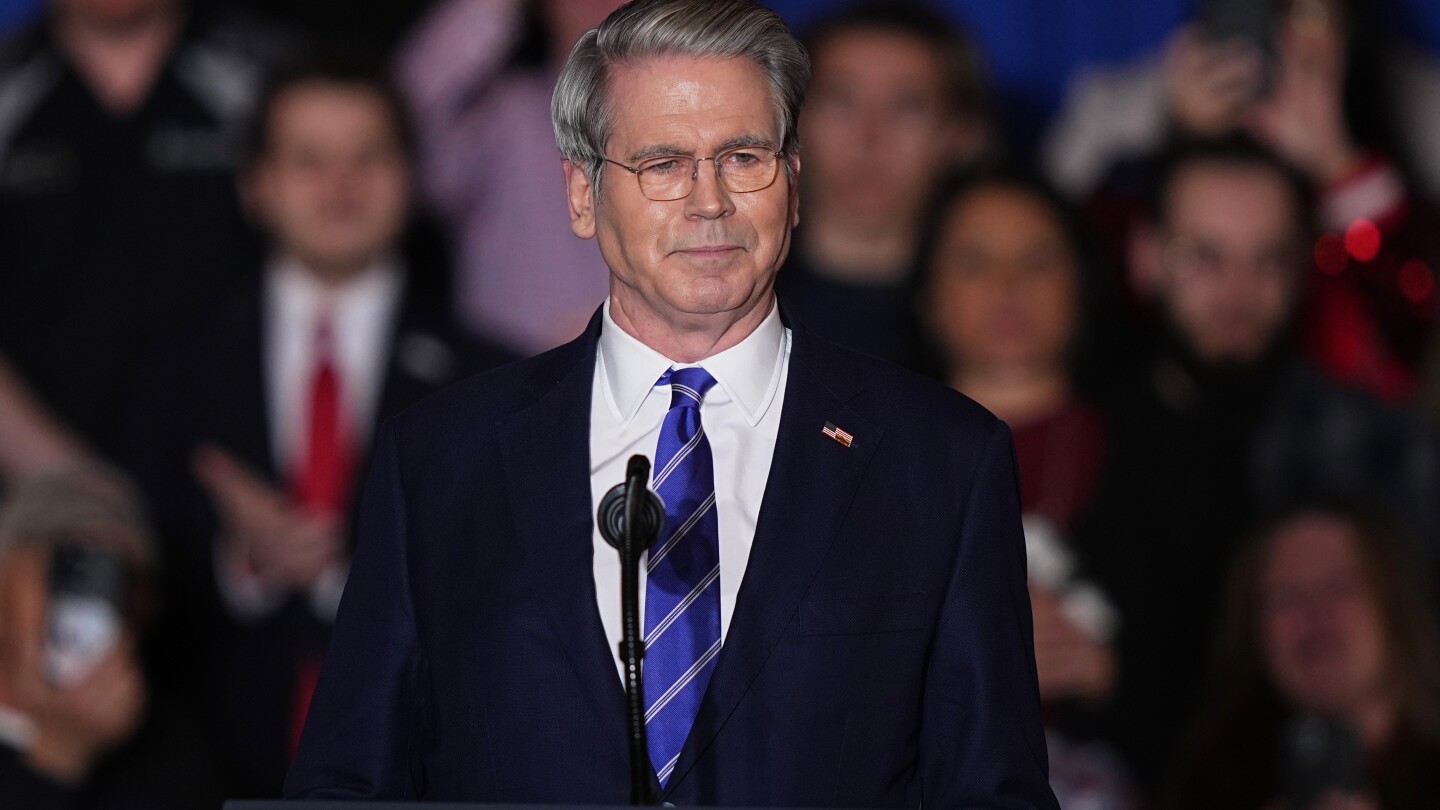
The U.S. Treasury Department has initiated heightened financial surveillance targeting money transfers between Minnesota and Somalia, signaling a significant escalation in the federal government’s immigration enforcement operations within the state. Treasury Secretary Scott Bessent confirmed the measures during his Friday visit to Minnesota, revealing ongoing investigations into four unspecified money service businesses facilitating international remittances.
This financial crackdown coincides with escalating tensions in Minneapolis following the fatal shooting of a woman by an Immigration and Customs Enforcement officer on Wednesday, which has triggered widespread protests and intensified conflicts between federal and local authorities.
The Treasury’s actions appear directly influenced by President Trump’s intensified focus on Minnesota’s Somali diaspora community, which has been subjected to both increased immigration enforcement and derogatory presidential comments. The department initially announced its targeted approach toward Somali remittances last month, specifically focusing on money service businesses.
These measures have been partially justified by reference to high-profile fraud cases, most notably the Feeding Our Future scandal where a nonprofit organization allegedly misappropriated approximately $300 million in pandemic relief funds intended for school meal programs. The organization’s founder, Aimee Bock, was convicted in March on multiple counts including conspiracy, wire fraud, and bribery while maintaining her innocence.
Secretary Bessent outlined key Treasury actions including Financial Crimes Enforcement Network investigations targeting Minnesota-based money services, enhanced reporting requirements for international transfers originating from Hennepin and Ramsey counties, and alerts to financial institutions regarding fraud identification in child nutrition programs.
While meeting with financial institutions to discuss fraud prevention measures, Bessent declined to provide specifics about ongoing investigations. He emphasized the department’s determination to “deploy all tools to bring an end to this egregious unchecked fraud and hold perpetrators to account.”
The policy has drawn criticism from civil liberties advocates, with Nicholas Anthony of the Cato Institute condemning the approach as “building a legacy of financial surveillance and control” that restricts Americans’ ability to send money abroad.
Local Somali leaders report anecdotal accounts of community members being detained by federal agents, though specific details remain scarce. Minnesota officials including Governor Tim Walz and Minneapolis Mayor Jacob Frey have pledged to protect the community, despite Walz facing Republican criticism for his administration’s delayed detection of the Feeding Our Future fraud before ending his reelection bid this week.