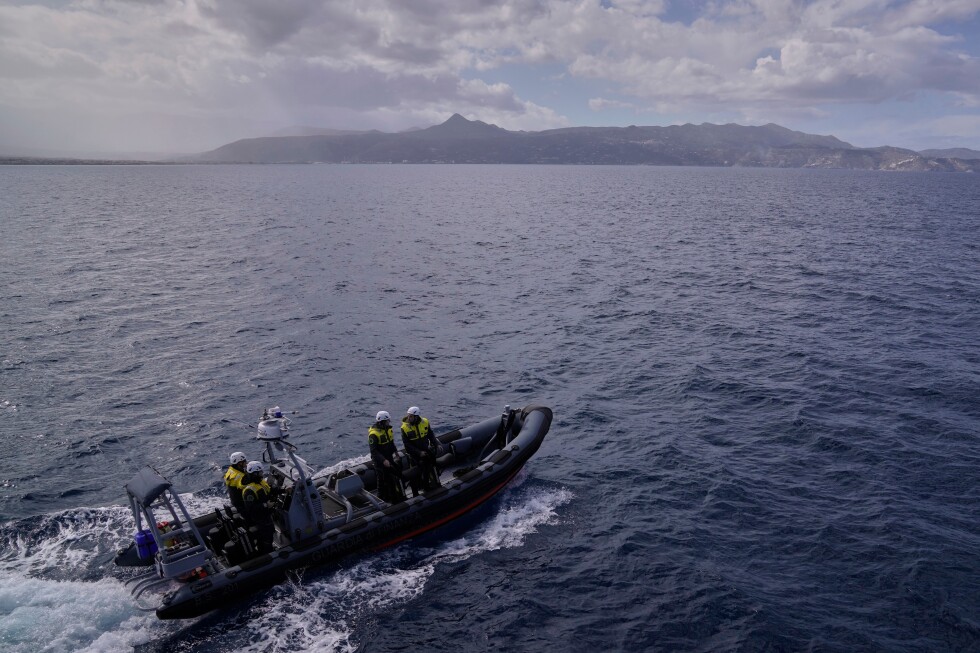
The Libyan Sea has become the stage for one of Europe’s most dangerous migration corridors, with the Greek island of Crete experiencing a dramatic surge in irregular arrivals despite an overall decline in Mediterranean migration patterns. According to Frontex data, Crete witnessed approximately 20,000 arrivals in 2025—a threefold increase that establishes it as Greece’s busiest entry point even as EU-wide irregular migration decreased by 26%.
This emerging route presents unique challenges due to its extraordinary length and perilous conditions. Migrants now embark from eastern Libya on a 350-kilometer (220-mile) journey across open waters—a significantly more dangerous passage than the traditional Turkey-Greece route. The exposed crossing requires larger vessels and has resulted in numerous tragedies, including the 2023 sinking that claimed 700 lives and recent incidents where Greek authorities rescued 20 migrants while recovering four bodies.
Frontex has responded with enhanced surveillance and operational capabilities. The agency has deployed advanced Israeli-built Heron 2 drones equipped with sophisticated sensors capable of detecting concealed activity below deck. “This asset is of critical importance,” stated Mariusz Kawczynski, a senior Frontex operations official. “There is no substitute in modern technology to have eyes for Europe of the threats that are coming to our borders.”
The EU is implementing tougher migration measures coinciding with this strategic shift. New bloc-wide rules effective June 2025 aim to strengthen border screening and accelerate deportation procedures. Frontex’s standing corps is simultaneously expanding to 10,000 officers—double its 2021 strength—reflecting expectations of sustained pressure along this deadly corridor.
Behind the migration surge lies complex geopolitical instability. The Uppsala University’s war-tracking project recorded 61 active global conflicts in 2024—the highest since World War II—with expanding militant activity in western Africa creating significant displacement. The International Organization for Migration estimates at least 2,185 Mediterranean deaths or disappearances in 2025, with 606 already recorded by late February, though limited access to rescue information suggests the actual toll is likely higher.
As Frontex prepares for anticipated spring increases in crossings, the agency’s operations in Greece and Cyprus emphasize that despite seasonal lulls, the structural drivers of migration remain potent, ensuring that Crete will continue to represent both a humanitarian challenge and a political flashpoint for European migration policy.