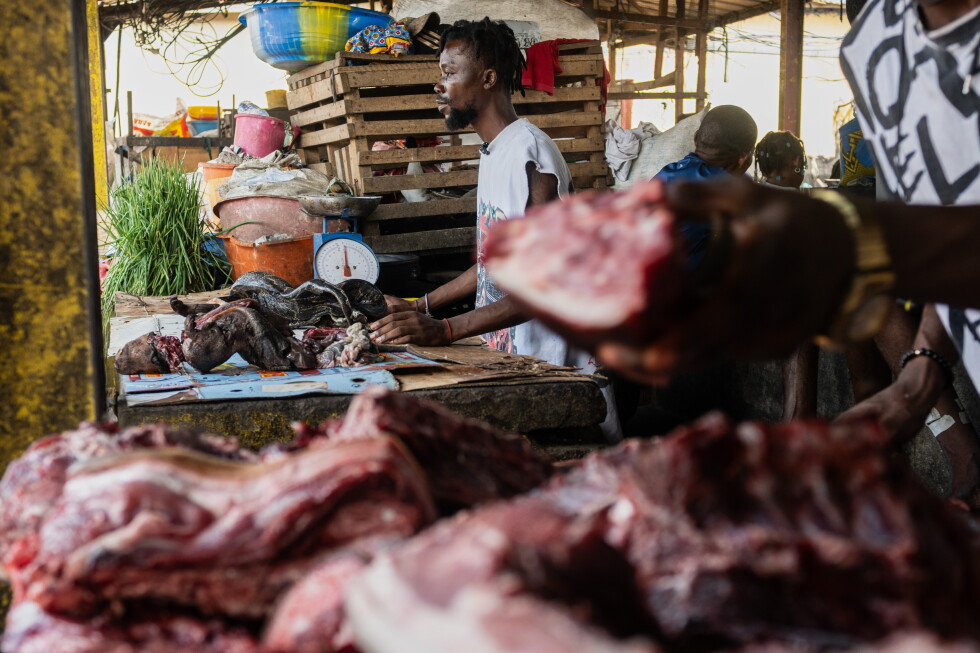
Beneath the bustle of Kinshasa’s sprawling Masina Market, a quiet, high-stakes trade continues nearly unabated: the sale of wild meat from the Congo Basin’s vast ancient forests. Unlike the openly displayed buckets of squirming edible caterpillars tended by market women, most exotic wild game — from giant swamp rodents to severed antelope carcasses — stays hidden, only brought out for customers who know to ask. For millions across Central and West Africa, wild meat, locally called *viande de brousse*, is far more than sustenance: it is a deeply ingrained cultural tradition, a primary source of affordable animal protein, and a livelihood for thousands of small-scale vendors. Even the ongoing deadly Ebola outbreak ravaging remote eastern Democratic Republic of Congo has done little to curb steady consumer demand for the forest-sourced product.