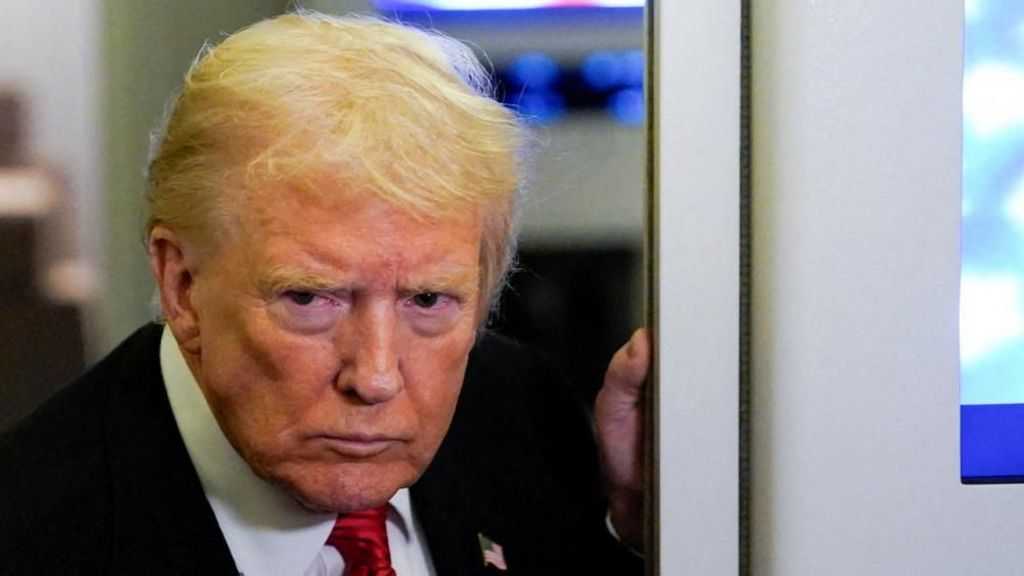
The recent claims of widespread Christian persecution in Nigeria, amplified by U.S. political figures and media personalities, have sparked intense debate. President Donald Trump’s threat to intervene in Nigeria “guns-a-blazing” to halt the alleged killings of Christians has drawn attention to the issue, but the accuracy of the data fueling these assertions remains questionable. Campaigners and politicians, including Senator Ted Cruz and comedian Bill Maher, have cited figures suggesting that over 100,000 Christians have been killed since 2009, with thousands of churches destroyed. However, the Nigerian government and independent analysts dispute these claims, labeling them as a “gross misrepresentation of reality.”
Much of the data cited by U.S. figures originates from the International Society for Civil Liberties and Rule of Law (InterSociety), a Nigerian NGO. InterSociety’s reports claim that jihadist groups, including Boko Haram and Fulani herders, have systematically targeted Christians. Yet, the organization’s methodology has been criticized for its lack of transparency and reliance on unverified sources. For instance, while InterSociety cites media reports as evidence, many of these reports do not specify the religious identity of victims. The BBC’s analysis of InterSociety’s data found significant discrepancies, with the total number of deaths reported by the NGO far exceeding verifiable figures.
Nigerian officials argue that the violence is not religiously motivated but rather part of a broader security crisis involving jihadist groups, criminal networks, and ethnic tensions. Security analyst Christian Ani emphasized that while Christians have been victims of attacks, there is no evidence to support claims of deliberate targeting. Similarly, other monitoring groups, such as Acled, report that the majority of victims in Nigeria’s political violence are Muslims, not Christians.
The controversy has significant political implications, with U.S. politicians using the issue to criticize Nigeria’s government and advocate for intervention. However, Nigerian authorities have welcomed international support, provided it is not unilateral. The debate also highlights the complexities of Nigeria’s security challenges, which include jihadist insurgencies, ethnic conflicts, and criminal activities. As the discourse continues, the need for accurate, verifiable data remains critical to understanding and addressing the situation.