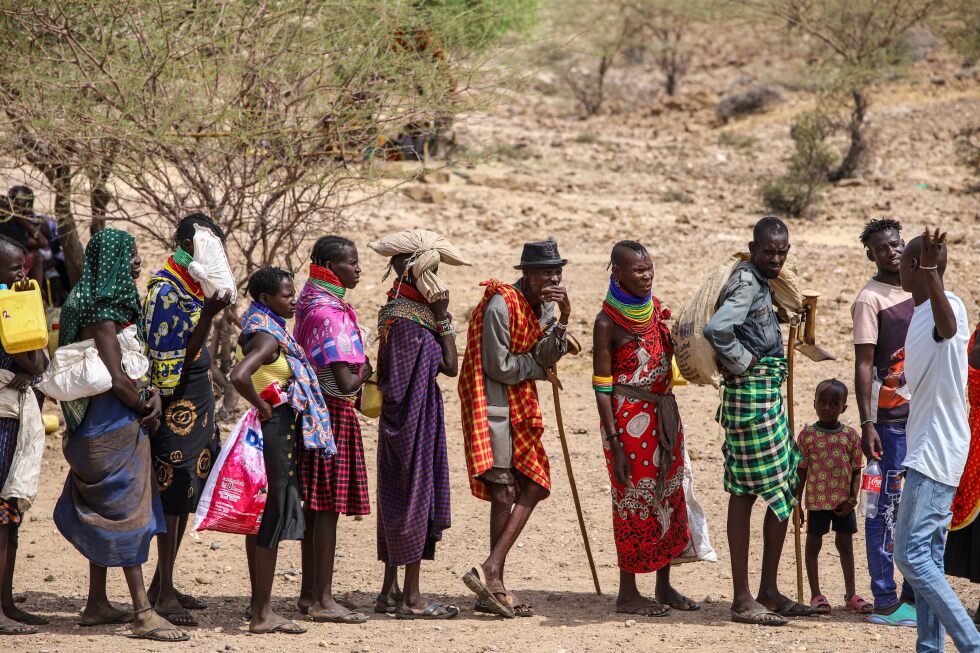
A severe drought crisis is gripping East Africa, with Kenya experiencing one of its most devastating dry periods in decades. According to United Nations assessments, more than 2 million people are confronting acute hunger, with pastoral communities in northeastern regions bearing the brunt of the catastrophe.
The humanitarian emergency extends across national borders, affecting populations in Somalia, Tanzania, and Uganda who face similar weather patterns and critical water shortages. The World Health Organization has documented alarming conditions throughout the region, with the October-December wet season ranking among the driest ever recorded. Eastern Kenya specifically has endured its most arid conditions during this period since 1981.
Climate scientists identify the warming Indian Ocean as a primary driver of these extreme weather patterns. While contributing to more destructive tropical storms in some areas, it has simultaneously extended drought duration and intensity across the Horn of Africa. The region has now suffered four consecutive failed wet seasons, creating conditions reminiscent of the 2020-2023 period when millions of livestock perished across Kenya, Ethiopia, and Somalia.
The National Drought Management Authority reports ten Kenyan counties currently experiencing drought conditions, with Mandera county bordering Somalia reaching critical ‘alarm’ classification. This designation indicates severe water shortages have resulted in widespread livestock mortality and rising cases of child wasting syndrome.
In Somalia, the situation appears particularly dire. Islamic Relief assessments document shocking food shortages as families abandon their homes seeking refuge. Over 3 million people have become internally displaced, with approximately 70% of those in Baidoa city surviving on one meal daily or less. Aid organizations report visibly malnourished children in camps, underscoring the urgent need for expanded humanitarian intervention.
Despite contributing merely 3-4% of global emissions, Africa remains disproportionately vulnerable to climate change impacts. The continent’s limited capacity to prepare for natural disasters exacerbates the crisis, particularly for communities dependent on rain-fed agriculture who face existential threats from increasingly extreme weather patterns.