A familiar pattern of pre-summit diplomatic maneuvering has emerged as the landmark second post-Brexit EU-UK bilateral summit, scheduled for November 20 in Brussels, draws near. Eurostar tickets have been booked, draft agreement details have been strategically leaked to media outlets, and former EU Brexit lead negotiator Michel Barnier has issued a firm public warning to the UK that it cannot access the EU single market on a selective, “à la carte” basis. Even the kind of quirky, headline-grabbing regulatory disputes that defined the original Brexit era have resurfaced, with a new row over smoky bacon crisp food labelling echoing past spats over so-called “bendy banana” product standards and the 2021 post-Brexit sausage trade war between former UK Prime Minister Boris Johnson and French President Emmanuel Macron.
At the core of these renewed tensions is a deep split within the UK political landscape: one camp argues that accepting targeted new EU regulatory alignment will slash costly cross-Channel trade red tape, while opposing factions reject any external oversight of domestic policy even years after the UK formally left the bloc, with populist slogans demanding Brussels keep “hands off our snacks” becoming a rallying cry for Brexit hardliners.
The framework for a new enhanced trade deal, first targeted for completion as far back as May 2024 before repeated delays caused by domestic UK political upheaval, has been months in the making, built on the “closer regulatory alignment” platform that Prime Minister Andy Burnham first outlined at the start of the year. Multiple diplomatic sources close to the negotiations confirm that talks are 90% complete, with draft agreements already hammered out to simplify cross-border operations for UK food producers, align the UK emissions trading system with EU frameworks to reduce costs for industrial manufacturers, and launch a reciprocal youth mobility visa scheme. The single major outstanding point of friction remains a proposed cap on youth visa numbers: the EU has tabled a 150,000 annual limit, while the UK has pushed for a far lower 50,000 threshold, with both sides signalling a compromise is within reach. A separate EU proposal to cut tuition fees for EU students studying in the UK has been tabled for future discussions, following the long-established diplomatic practice of locking in easy wins first and deferring the most contentious sticking points for later negotiations.
The two sides also remain at odds over the EU’s upcoming “Made in Europe” industrial protection legislation, designed to shield bloc manufacturers from unfair Chinese competition. UK government analysis estimates that the proposed new close alignment deal, which stops short of full EU membership, could deliver a 0.4% boost to British GDP, but Burnham has openly acknowledged that these economic gains will come with unavoidable trade-offs in national regulatory autonomy. In a recent interview with BBC Business Editor Simon Jack, Burnham confirmed, “That’s where we’ve ended up”, accepting that the UK will need to adopt and follow a greater number of EU rules to unlock the proposed trade benefits.
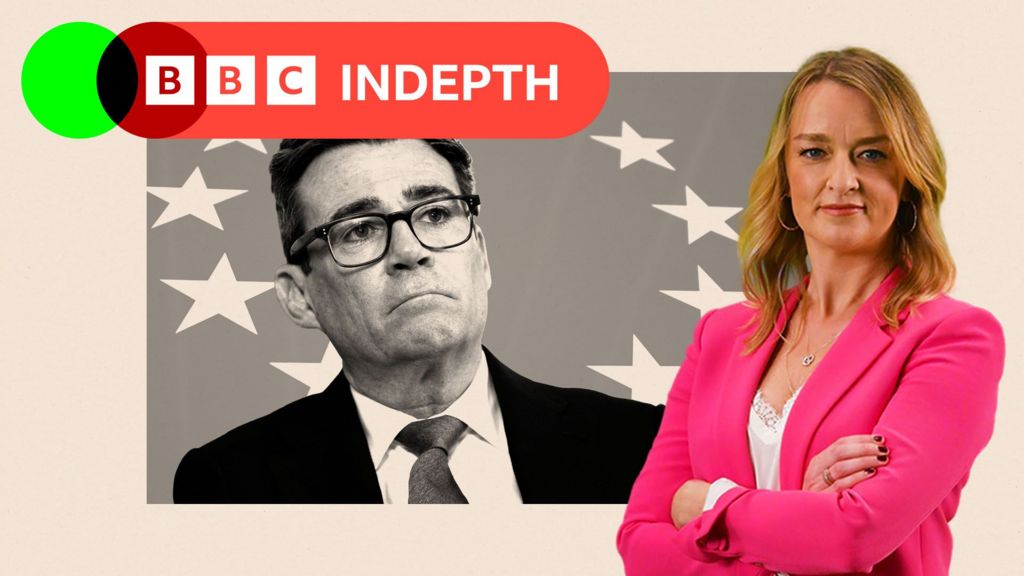
Crucially, Burnham has gone far beyond the immediate technical trade negotiations to publicly float his long-stated personal long-term ambition of eventual full UK re-entry into the European Union, a move that has reignited a fiercely divisive national debate that many political figures had vowed to avoid. The prime minister’s calculation appears rooted in recent public polling showing a clear majority of UK voters now support rejoining the bloc, a shift in public mood he believes creates space for a new national conversation on EU relations. This position also aligns with core policy priorities of the Labour Party’s pro-EU base, as well as the Liberal Democrats, Greens, and Scottish National Party, creating an opportunity for Burnham to siphon off support from pro-EU voters across the political spectrum.
But this gambit carries enormous untested risks. Michel Barnier has explicitly warned that any UK application to rejoin would mean the UK forfeiting its historic EU budget rebate, and full single market membership would require full acceptance of freedom of movement rules, no exceptions granted. EU diplomatic insiders have noted that while there is widespread willingness to deepen practical cooperation with the UK, Brussels officials remain uncertain about Burnham’s long-term intentions, with one senior EU source noting that while public interactions are warm, there is widespread cautious reserve across the negotiating table.
UK business opinion is also far from uniformly supportive of a full rejoin push, after nearly a decade of firms investing millions to restructure their operations to operate outside EU regulatory frameworks. While sectors including Scottish seafood exporters, automotive manufacturers, and pharmaceutical firms broadly support closer alignment or full re-entry, large swathes of the UK financial services industry have already completed costly restructuring to operate outside EU rules and are resistant to unpicking those arrangements.
Even within Burnham’s own governing Labour Party, there is deep unease about reopening the EU membership debate. While senior figures including former Chancellor Rachel Reeves and London Mayor Sadiq Khan openly advocate for closer EU ties, multiple backbench MPs and cabinet ministers have expressed private alarm at the prospect of a new divisive national referendum, with one former Labour minister describing the path to potential re-entry as “a very hazardous route” that risks splitting the party. Opposition parties have already launched ferocious attacks: Conservative leader Kemi Badenoch accused Burnham of “unpicking the deal this country signed with the EU a decade after the referendum” and argued he has already revealed his full negotiating hand to Brussels, while Reform UK Deputy Leader Richard Tice claimed Burnham was attempting to “sneak us back into Brussels via the back door” and vowed to challenge any such move relentlessly.
Even EU leaders have made unvarnished comments about the financial realities of UK re-entry, with Czech Prime Minister stating openly that he would welcome UK re-entry primarily for the additional budget contributions the UK would bring. Political analysts have repeatedly drawn parallels to former Prime Minister David Cameron’s 2016 Brexit referendum gambit, which was intended to reset UK-EU relations but ultimately destroyed his political career and plunged the UK into nearly a decade of political turmoil. The outcomes of the upcoming November 20 Brussels summit will offer the first concrete indication of whether Burnham’s high-stakes bet on resetting UK-EU relations will deliver tangible economic benefits, or reignite the kind of bitter national division that defined the Brexit era.