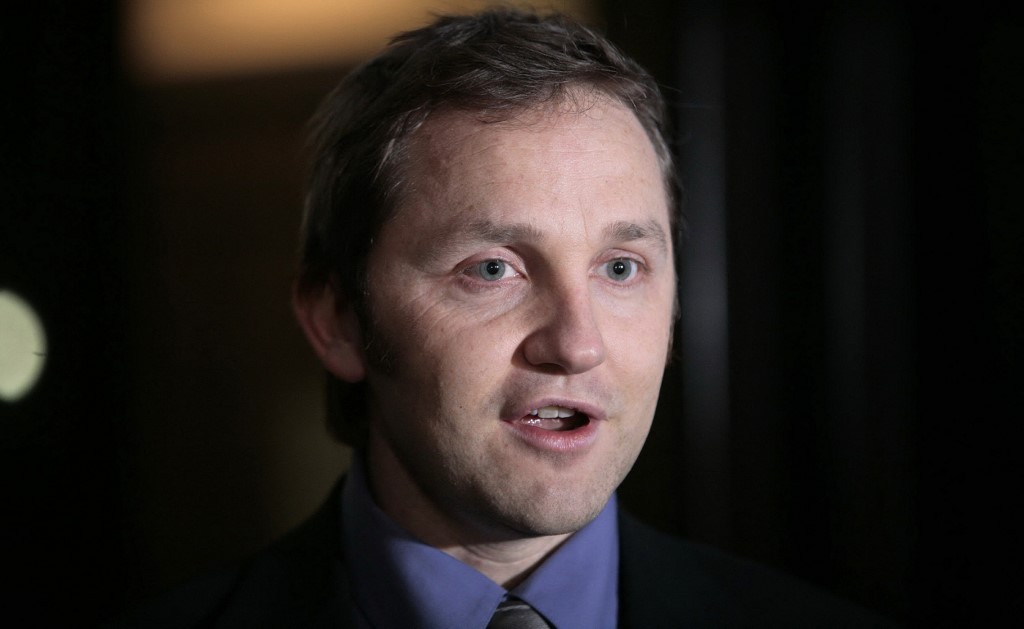
As Andy Burnham prepares to take office as Britain’s next prime minister – a transition widely expected to be complete by July 17 – the Labour Party front-runner has made a high-profile key appointment, reportedly offering the critical role of chief of staff to former Blair and Brown-era minister James Purnell. Multiple sources confirm Purnell has signaled he will accept the position, which would place him as Burnham’s closest senior advisor in Downing Street.
The selection of Purnell, a veteran Labour figure with cross-sector experience spanning government, public broadcasting and corporate lobbying, underscores Burnham’s broader strategy of assembling a unifying administration that draws talent from across the ideological divides of the UK Labour Party. Purnell, long identified as a figure on the centre-right of Labour, has a long personal history with Burnham: the pair shared a parliamentary office when both served as junior ministers during Tony Blair’s premiership in the 2000s.
Most recently, Purnell held the position of chief executive at Flint Global, a major London-based lobbying firm. He stepped down from his director role at the firm earlier this week to clear the way for the Downing Street appointment. Purnell’s career path also includes a four-year stint as director of strategy at the BBC starting in 2013, and senior cabinet roles in previous Labour governments, including Secretary of State for Culture, Media and Sport and senior positions at the Department for Work and Pensions.
A point of particular note in Purnell’s political background is his longstanding connection to Middle East policy: he served two years as chair of Labour Friends of Israel (LFI), a pro-Israel parliamentary lobbying group, and voted in favor of the 2003 US-led invasion of Iraq. During his 2002 chairmanship of LFI, Purnell undertook an official visit to Israel, where he documented on-the-ground observations that included both moments of cross-community cooperation between Israeli kibbutz members and nearby Arab villagers, and the violence that had already become an endemic part of the conflict. He met with then-Israeli Prime Minister Ehud Barak during the trip, and wrote at the time that while peace would require mutual goodwill, progress depended entirely on the Palestinian Authority cracking down on militant activity – while also acknowledging the deep economic deprivation faced by Palestinians in Jerusalem, where he noted average annual incomes fell below $1,000 and rising malnutrition had become a crisis.
Burnham’s own approach to Middle East policy adds layers of context to Purnell’s appointment. Like many current Labour MPs, Burnham has been a member of LFI, but he also holds longstanding ties to the Council for Arab-British Understanding (Caabu), a group that advocates for Palestinian rights, and undertook a fact-finding visit to the occupied West Bank with the organization in 2012. Burnham broke publicly with Keir Starmer’s Labour leadership in October 2023, when as Mayor of Greater Manchester he joined London Mayor Sadiq Khan and Scottish Labour Leader Anas Sarwar to call for an immediate ceasefire in the Gaza war, taking a far more critical stance on Israel than the party’s frontbench at the time.
In recent weeks, Burnham has largely avoided public comment on foreign policy, a strategic choice aligned with his campaign for a parliamentary seat in Makerfield, a majority working-class constituency where local political observers say the party views foreign policy discussion as unhelpful to securing a by-election win. But as Burnham accelerates preparations for his premiership following Starmer’s expected departure, foreign policy is set to return to the forefront of his agenda.
Political commentators have noted that Burnham may look to adopt a firmer, more critical policy toward Israel to distinguish his premiership from Starmer’s tenure, and to win back left-leaning Labour voters who have shifted their support to the Green Party or independent candidates in recent years. As of yet, Burnham has not confirmed his pick for foreign secretary, and further senior appointments are expected to be announced in the coming days as the transition of power continues to unfold. Burnham’s emerging team already reflects a balance of competing factions within Labour: it includes Josh Simons, former director of the centrist think tank Labour Together widely credited with delivering Starmer’s Labour leadership win, as well as MP Louise Haigh, who has been publicly identified as a target of internal factional opposition from Labour Together.