New economic data reveals American households faced mounting financial pressures in December 2025 as consumer prices climbed steadily, driven primarily by escalating food and housing expenses. The Bureau of Labor Statistics reported a 2.7 percent year-over-year increase in the Consumer Price Index, underscoring the persistent challenge of inflation that has plagued consumers for half a decade.
The latest figures from the Labor Department indicate a 0.3 percent monthly rise in CPI, with housing and shelter costs emerging as the predominant contributors to this upward trend. December’s numbers presented a more accurate economic snapshot following November’s artificially suppressed inflation data during the government shutdown.
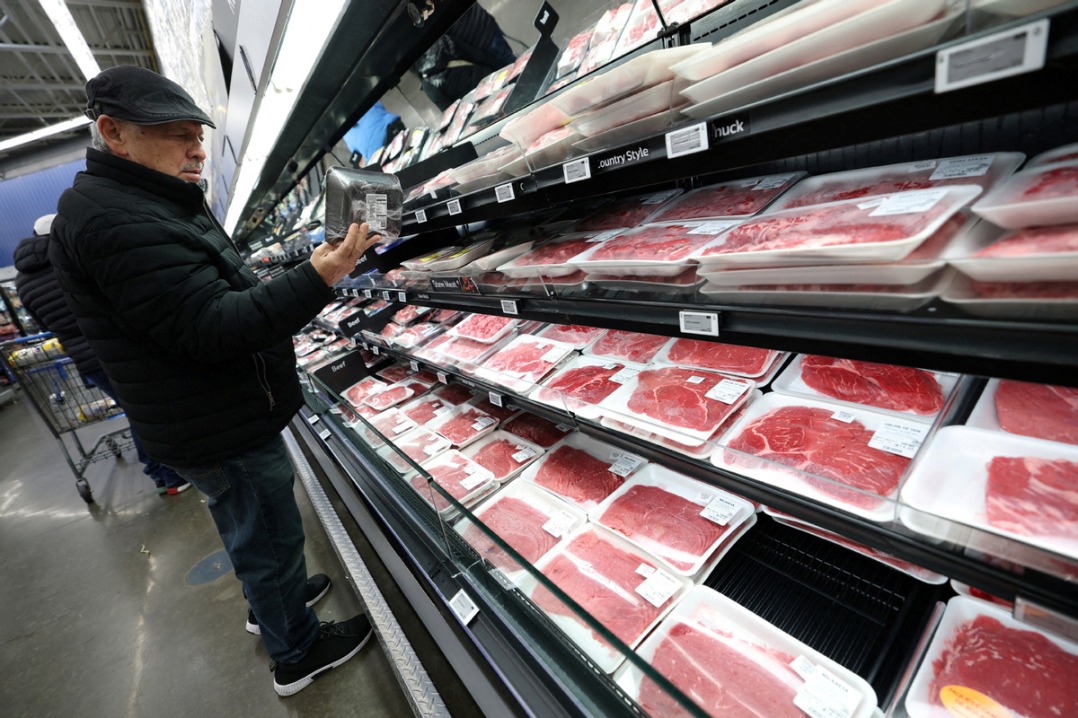
Food prices experienced their most significant surge in over three years, with particular sharp increases in beef (17.8 percent year-on-year) and coffee (1.9 percent). Restaurant and food outlet costs climbed 0.7 percent—the largest three-year increase—while overall food prices jumped 3.1 percent annually.
President Trump’s administration has implemented several measures to combat rising costs, including instructing the Federal Housing Finance Agency to purchase $200 billion in bonds from Fannie Mae and Freddie Mac to reduce mortgage rates. The administration has also adjusted agricultural tariffs, though experts note that the constantly shifting tariff policy has created uncertainty for businesses and consumers alike.
Despite financial pressures, holiday retail sales demonstrated remarkable resilience. The National Retail Federation reported 4.1 percent growth from November through December, totaling strong seasonal performance that exceeded expectations.
The Federal Reserve is anticipated to maintain its benchmark interest rate between 3.50-3.75 percent at its upcoming January meeting, despite unusual circumstances including a Justice Department investigation into Chair Jerome Powell.
Trade experts warn that consumers may bear increasing burden of tariffs through 2026, with current rates including a 10 percent baseline tariff for many nations and approximately 47 percent tariffs on Chinese imports following the October summit between US and Chinese leaders.