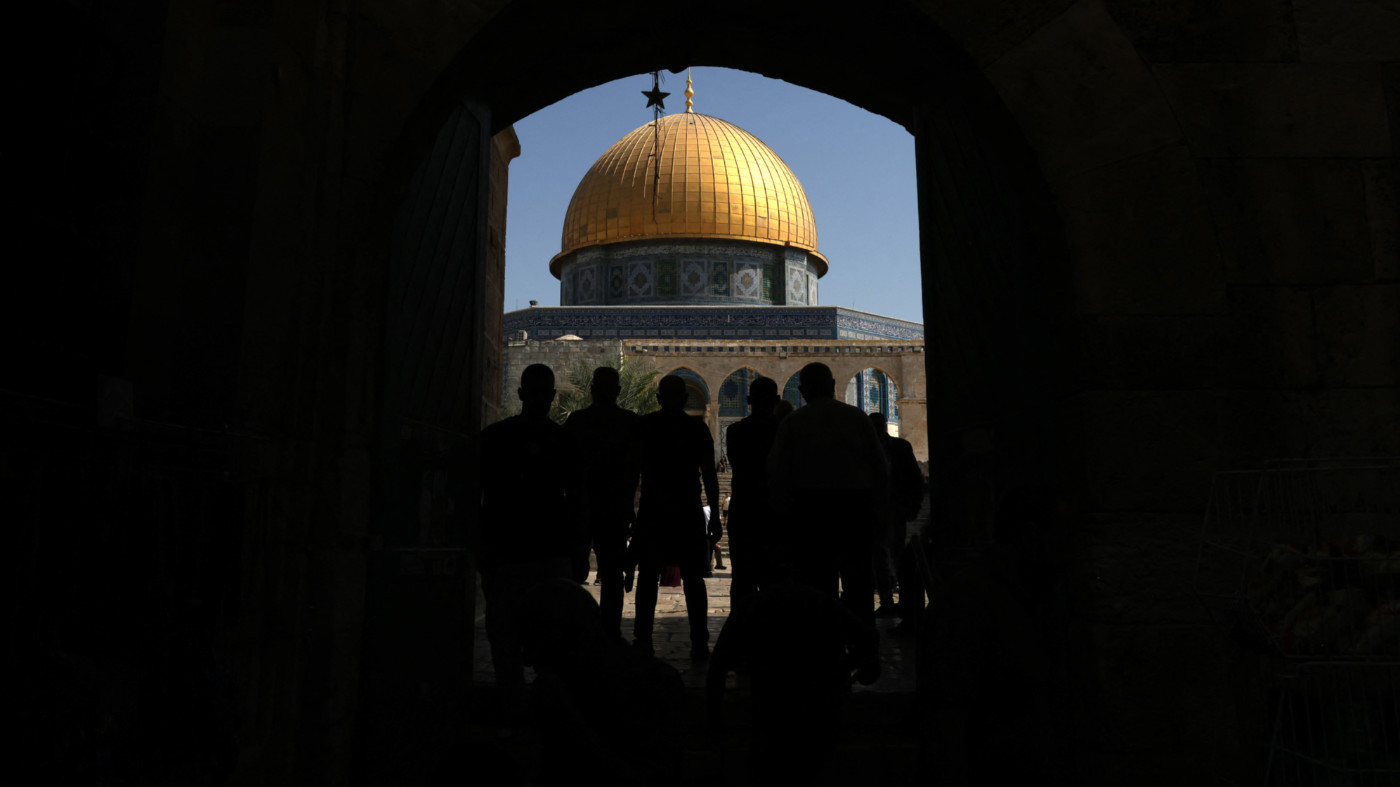
Jerusalem’s Old City, housing some of humanity’s most sacred religious sites, stands at the center of escalating tensions as Israel’s ongoing violations of the historic Status Quo arrangement threaten to unravel centuries of fragile coexistence. The internationally recognized framework, established through Ottoman decrees in the 18th century and codified in the 1878 Treaty of Berlin, has governed access and maintenance of holy sites shared by Muslims, Christians, and Jews for generations.
Al-Aqsa Mosque compound, Islam’s third holiest site, has become the primary flashpoint. Israeli authorities have consistently imposed restrictions on Muslim worship while facilitating increased Jewish presence within the complex. This pattern intensifies during overlapping religious holidays, frequently resulting in violent confrontations as Israeli forces remove Palestinian worshippers to accommodate Israeli visitors.
The recent complete closure of Al-Aqsa during Ramadan and Eid al-Fitr—citing security concerns related to regional conflicts—marked an unprecedented departure from historical practice. Simultaneously, Israel shuttered the Church of the Holy Sepulchre ahead of Easter celebrations, disrupting centuries of Christian tradition at Christianity’s most sacred site.
Historical context reveals the Status Quo emerged from Ottoman Sultan Osman III’s 1757 decree freezing ownership arrangements to prevent interfaith conflict. This framework was reaffirmed multiple times, including during the Crimean War, and expanded to cover numerous holy sites across Jerusalem and Bethlehem.
Since Israel’s 1967 occupation of East Jerusalem, considered illegal under international law, successive governments have systematically undermined the Status Quo. The initial breach occurred hours after occupation began, with Israel demolishing the Moroccan Quarter adjacent to the Western Wall to create a prayer plaza. Subsequent decades have witnessed increased settler incursions into Al-Aqsa compound under police protection, archaeological excavations beneath the complex, and growing political support for altering worship arrangements.
These violations have repeatedly triggered violent confrontations, including the 1990 protests that left 21 Palestinians dead, the 1996 tunnel opening that resulted in 90 casualties, and Ariel Sharon’s 2000 visit that ignited the Second Intifada. More recently, tensions at Al-Aqsa and surrounding neighborhoods contributed to the escalation leading to Hamas’ October 2023 attack.
The situation extends beyond Al-Aqsa to other contested sites including Rachel’s Tomb in Bethlehem and the Ibrahimi Mosque in Hebron, where access restrictions and settler incursions have increased significantly. Even Christian sites governed by the Status Quo have experienced interdenominational conflicts and Israeli legislative challenges that prompted temporary closures of the Church of the Holy Sepulchre.
Current developments suggest further erosion of the Status Quo, with far-right Israeli officials regularly accessing Al-Aqsa and proposed legislation seeking to transfer control of the Western Wall to Jerusalem’s chief rabbis. This systematic dismantling of historical arrangements threatens not only religious coexistence but regional stability, as violations at holy sites continue to trigger broader conflicts.