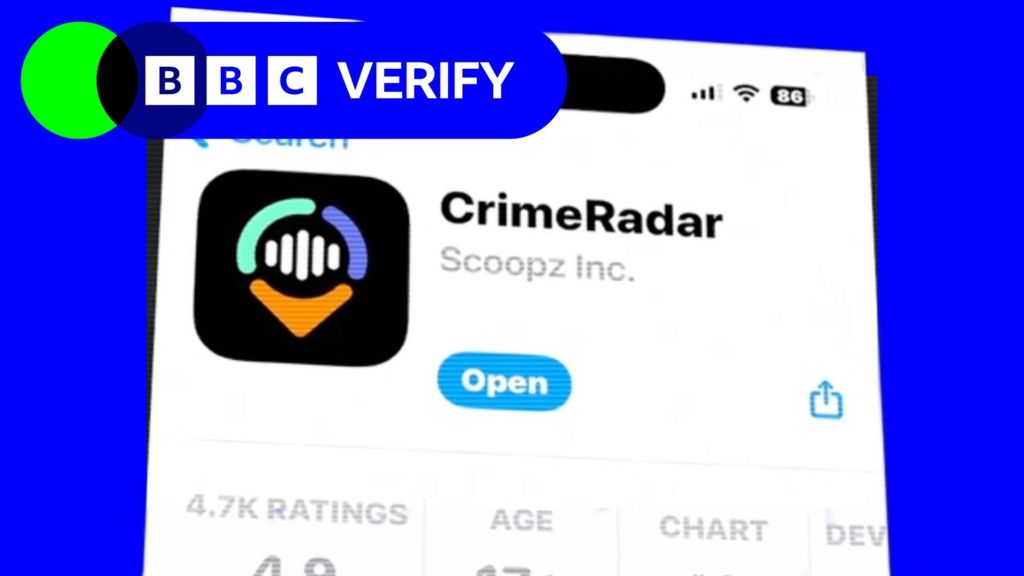
An artificial intelligence-powered crime monitoring application has issued a formal apology after generating widespread false crime alerts across multiple American communities. The application, identified as CrimeRadar, utilized AI algorithms to scan and interpret local crime data, but reportedly malfunctioned, sending erroneous safety notifications to numerous users.
The controversy emerged following an investigative report by BBC Verify, which uncovered systemic flaws in the app’s data verification processes. The false alerts created unnecessary panic and confusion among residents who received warnings about criminal activities that were not actually occurring in their vicinity.
Technology analysts examining the incident suggest the errors likely stemmed from either flawed data inputs or algorithmic misinterpretation of police reports and news sources. The company behind CrimeRadar has temporarily suspended its alert feature pending a comprehensive internal review of its AI systems and data validation protocols.
This incident has sparked broader discussions about the reliability of AI-driven public safety applications and the ethical responsibilities of developers in ensuring accurate information dissemination. Legal experts note that such false alerts could potentially have serious consequences, including unnecessary panic, misuse of emergency resources, and damage to community trust in legitimate warning systems.
The developers have committed to implementing additional human oversight and more robust verification mechanisms before reactivating the alert functionality. This case represents a significant setback for AI adoption in public safety sectors and highlights the critical importance of reliability in safety-focused applications.