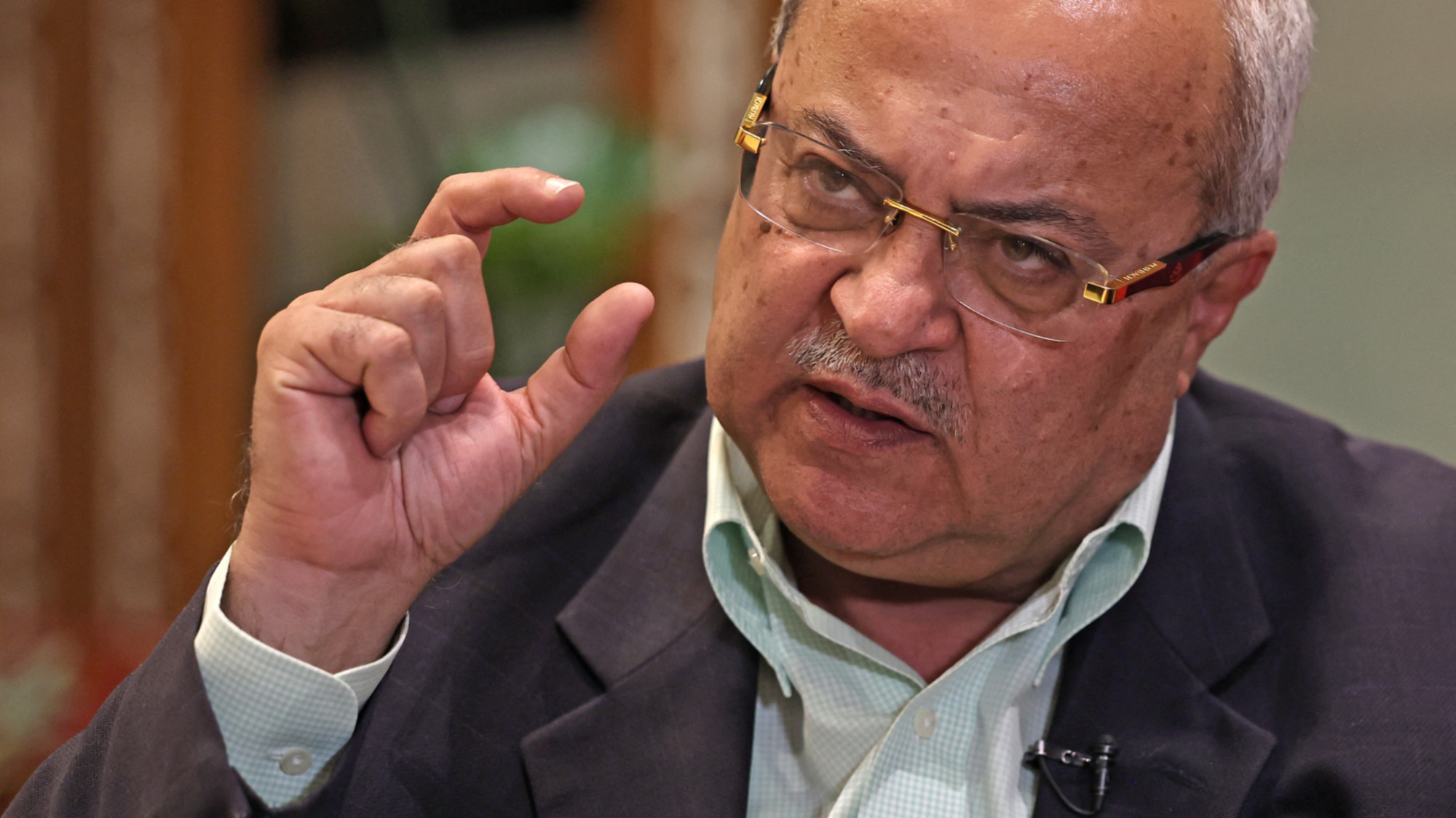
Ahmad Tibi, a veteran Palestinian legislator and Israeli citizen serving in the Knesset as part of the Palestinian-led Joint List alliance, has been formally designated the most high-risk, threatened member of Israel’s parliament by Yuval Chen, commander of the Knesset Guard, the official security detail tasked with protecting parliamentary facilities and elected representatives. The unprecedented warning, first reported by Israeli outlet Israel Hayom earlier this week, came directly from Chen, who personally advised Tibi to take heightened personal safety precautions amid surging targeted hostility against him. The alert follows a tense, widely publicized confrontation on Knesset premises involving Guy Hochman, a prominent right-wing Israeli comedian and public figure. The incident unfolded when Hochman approached Tibi unannounced from behind, grabbed him without consent, and shoved a smartphone directly in his face in what he framed as an attempt to film a viral clip. Tibi, a trained gynecologist who was recently elected as one of the Knesset’s deputy speakers, pushed Hochman away to defend his personal space, a move that immediately sparked counter-allegations of assault from the comedian. Hochman filed two formal complaints following the run-in: one to the Knesset Guard, and a second directly to Israel’s Attorney General Gali Baharav-Miara, claiming unprovoked physical harm. Tibi has vehemently rejected the accusations, framing his actions as legitimate self-defense against an invasive, threatening incursion. In his own formal complaint submitted to the Knesset security unit, he emphasized that the incident took place against a backdrop of months of relentless incitement, smears, and targeted threats directed at him by Prime Minister Benjamin Netanyahu and his far-right political allies, in the wake of last month’s Israeli elections where the Joint List and allied Arab party Ra’am secured a historic combined 19 Knesset seats. Representatives from the Joint List have publicly slammed the Knesset Guard for systemic neglect and unequal protection for Palestinian-Israeli lawmakers, questioning why security personnel are not permanently posted outside the alliance’s meeting chambers during closed parliamentary caucus sessions. Tibi has also accused the Knesset’s security apparatus of blatant ethnic discrimination, noting that a Palestinian man who had similarly approached a senior Jewish Israeli cabinet minister in an invasive manner would almost certainly have been immediately subdued and detained by guards, rather than allowed to move freely through parliamentary grounds. He has demanded a full, transparent official investigation into the incident and the unequal security protocols applied to Arab legislators. The confrontation has already been seized on by leading far-right Israeli politicians to launch fresh attacks on Tibi. Outgoing Finance Minister Bezalel Smotrich, a prominent settler leader, publicly called for Jewish opposition factions led by former military chief Gadi Eisenkot to reject any future governing coalition that relies on support from the Joint List or Ra’am, claiming Tibi’s actions prove Arab legislators are prone to “physical violence” after growing accustomed to “acting as masters of the land”, and demanding Israeli police open an immediate criminal probe against the lawmaker. Two lawmakers from the extremist Otzma Yehudit party, led by outgoing National Security Minister Itamar Ben Gvir, also targeted Tibi: MP Tally Gotliv stormed a closed Joint List caucus meeting earlier this week, while fellow legislator Hanamel Dorfman posted on social media platform X derisively referring to Tibi, a practicing physician, as a “doctor of terror” who also perpetrates violence. Tibi, who has emerged as the central target of a nationwide far-right incitement campaign against Palestinian citizens of Israel since the recent elections, is far from the only figure facing rising anti-Arab hostility: just last week, a mosque in the predominantly Palestinian village of Ed-Dahi was destroyed in a suspected hate-fueled arson attack attributed to an Israeli extremist mob, underscoring the broader climate of rising sectarian tension across the country.