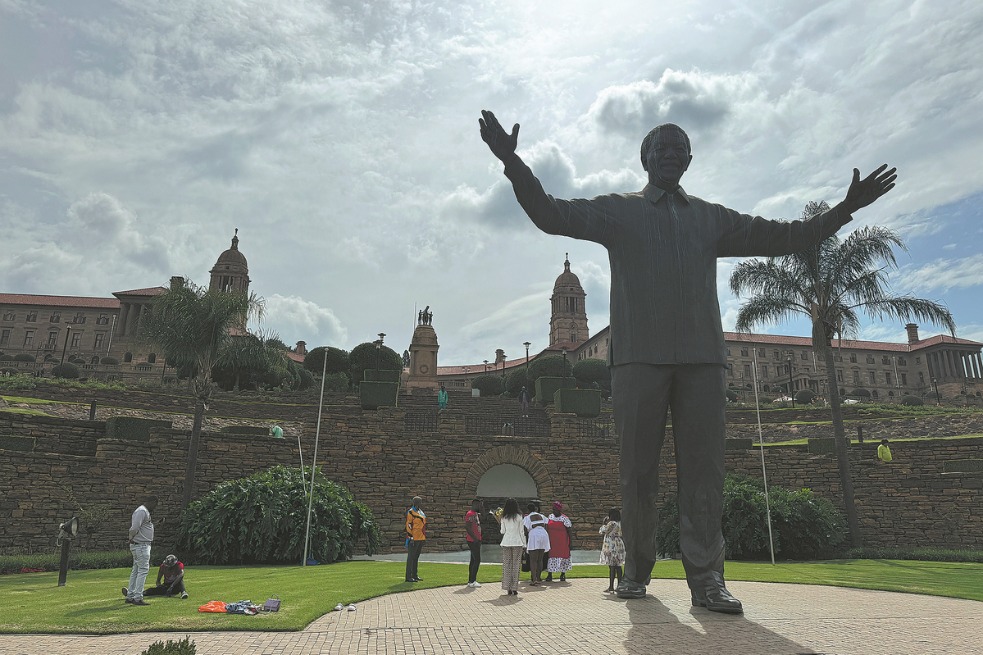
Africa’s tourism sector demonstrated exceptional performance in 2025, achieving the world’s strongest growth in international tourist arrivals according to the latest UN Tourism Barometer. The continent welcomed 81 million international visitors, representing an 8% increase from 2024 and outperforming all other global regions including Asia-Pacific, Europe, the Americas, and the Middle East.
Despite this robust expansion, industry executives are calling for substantial governmental intervention and strategic investments to fully capitalize on the sector’s untapped potential. Andy Payne, CEO of Inzalo Investment Holdings, emphasized tourism’s unique capacity to drive economic transformation and address youth unemployment across the continent. “Tourism is the ultimate solution. Resources are limited. Tourism is unlimited. It can make a massive difference,” Payne stated, highlighting the need for balanced collaboration between private enterprise and public policy.
Infrastructure development emerged as a critical priority, with MSC Cruises South Africa’s Managing Director Ross Volk identifying transportation integration as fundamental to boosting intra-African tourism. “If we want to compete at a global level, we need to make sure that we have the best,” Volk asserted, pointing to inadequate airline connectivity, underdeveloped railway networks, and insufficient port facilities as major impediments to growth.
South African Tourism Minister Patricia de Lille underscored the increasingly competitive global landscape, warning that passive approaches would yield limited results. “If we are going to wait for things to fall into our lap, it’s not going to happen. I travel around the world and the competition is stiff,” de Lille remarked, advocating for open skies policies, enhanced flight connectivity, and visa-free travel within Africa.
Industry leaders unanimously stressed the necessity of long-term, conversion-focused strategies that transcend political transitions. Tshifhiwa Tshivhengwa of the Tourism Business Council of South Africa emphasized the importance of maintaining commitment to development plans despite changes in government leadership. Adriaan Fourie of the Cape Town and Western Cape Convention Bureau added that African nations must adopt sales-oriented approaches, focusing on creating tangible conversion opportunities rather than分散 efforts across less impactful priorities.