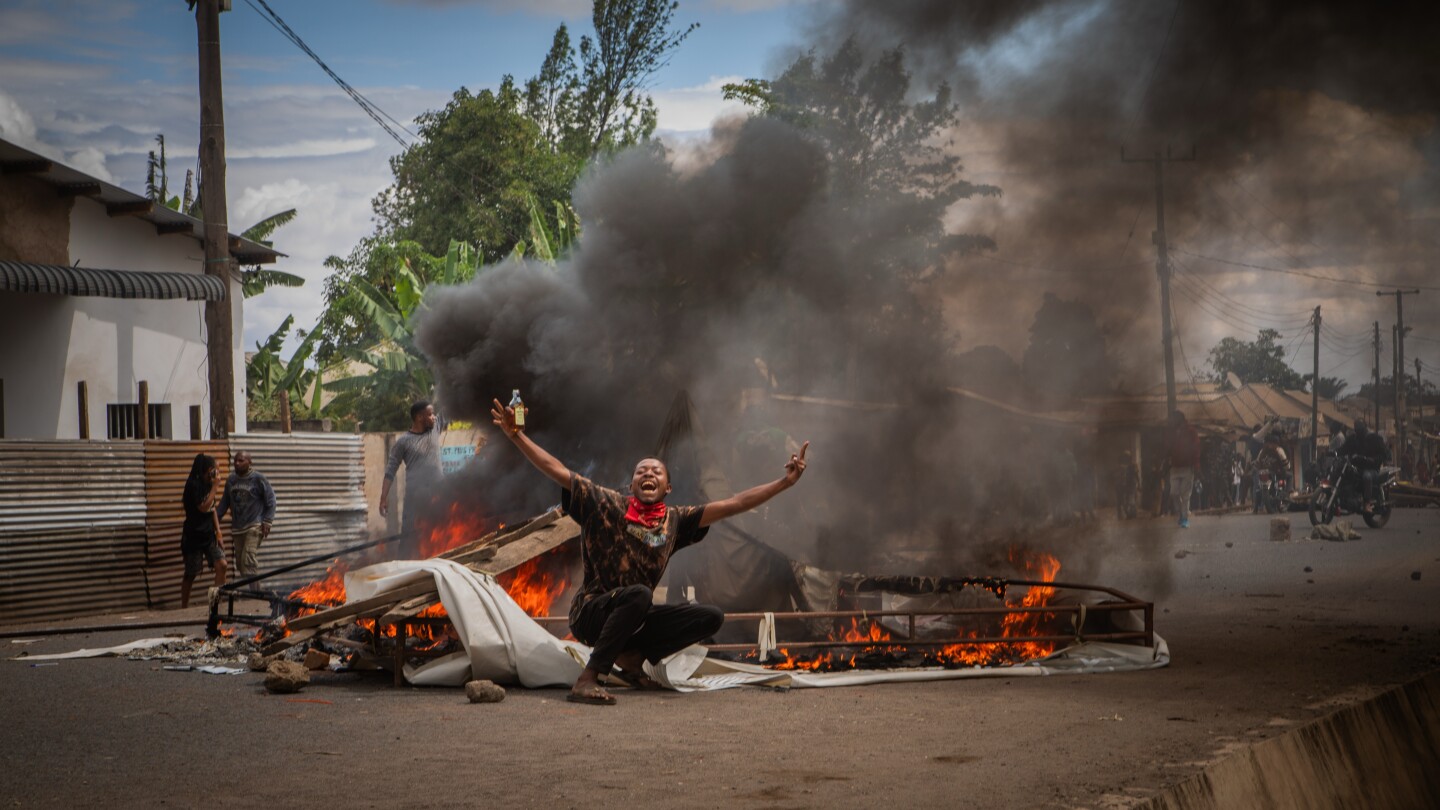
Recent elections across Africa have once again highlighted a troubling pattern: sidelined opposition candidates, disputed results, and widespread protests, particularly among the continent’s youthful population. Incumbents in Cameroon, Ivory Coast, and Tanzania have secured reelection, raising concerns about the erosion of democratic norms and the rise of authoritarianism.
In Cameroon, 92-year-old Paul Biya, the world’s oldest leader, has been reelected for an eighth term, extending his 43-year rule. Critics argue that his advanced age has diminished his capacity to govern, while protests against his victory have turned deadly. Similarly, Ivory Coast’s 83-year-old President Alassane Ouattara has secured a fourth term amid low voter turnout and the exclusion of his main challenger, Tidjane Thiam, due to dual nationality issues. Thiam has denounced the election as a sham, sparking further unrest.
In Tanzania, President Samia Suluhu Hassan, the country’s first female leader, initially inspired hope for change but has since been criticized for maintaining repressive policies akin to her predecessor. Her reelection was marred by violence, internet shutdowns, and the exclusion of opposition candidates.
Analysts warn that these disputed elections could further destabilize Africa’s fragile democracies, emboldening military takeovers and deepening public frustration. The continent, home to some of the world’s youngest populations and oldest leaders, faces a paradox of abundant natural resources yet unmet promises of basic amenities. Jeffrey Smith of Vanguard Africa notes that these elections reflect a broader trend of competitive authoritarianism, where incumbents exploit state resources and flawed legal processes to maintain power.
As protests continue and tensions rise, the future of democracy in Africa remains uncertain, with calls for genuine political competition and accountability growing louder.