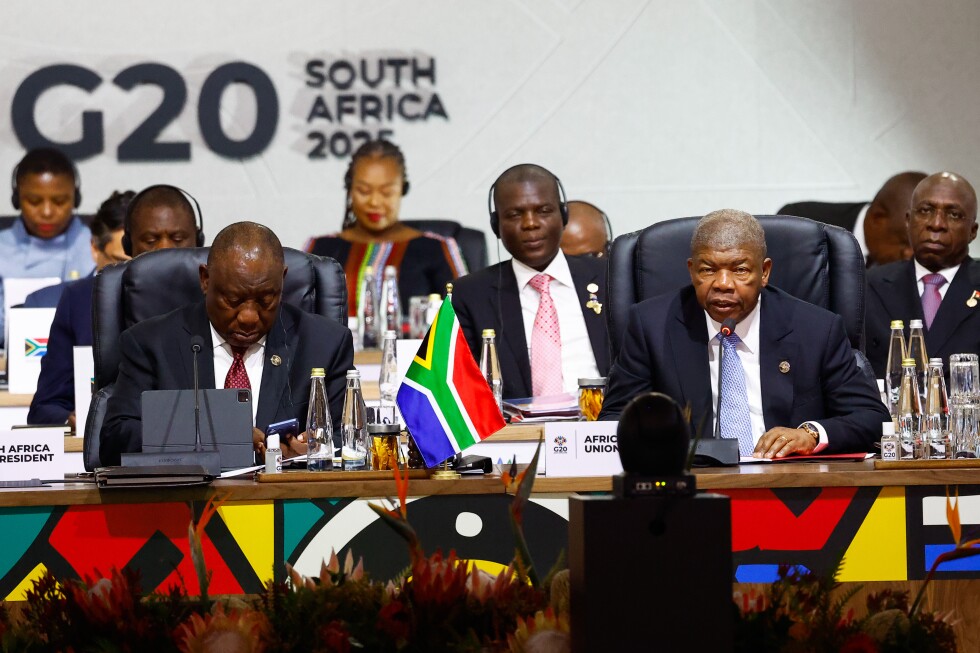
ADDIS ABABA, Ethiopia — The African Union convenes its 39th annual summit this weekend amidst growing criticism from the continent’s youth population, who increasingly view the regional body as an ineffective organization dominated by aging leaders. Established to foster unity among African states, the AU now confronts a severe credibility challenge as military coups, contested elections, and economic protests sweep across numerous nations.
Africa’s demographic paradox presents a central challenge: while boasting the world’s youngest population with over 400 million people aged 15-35, the continent simultaneously hosts some of the globe’s longest-serving leaders. This generational disconnect has fueled widespread disillusionment with the AU’s governance approach, which analysts say prioritizes governments over citizens.
Liesl Louw-Vaudran, senior analyst with the Crisis Group, observes: ‘The fundamental frustration stems from the perception that this is not a citizen-driven African Union. The organization has consistently missed opportunities to center its operations around people rather than political leadership.’
The AU’s election monitoring has drawn particular scrutiny. During recent presidential elections in Uganda, the Commission initially commended electoral conduct despite widespread reports of opposition suppression, internet shutdowns, and media intimidation. This response provoked fierce social media backlash, with one user decrying the AU as a ‘dictatorship club.’
Enforcement mechanisms represent another critical weakness. Macharia Munene, professor of history at the United States International University in Nairobi, notes: ‘The AU struggles with implementation because not all members meet their dues or fully accept collectively decided measures.’
This year’s summit, focused on water sanitation and climate response, occurs against a backdrop of shifting global alliances and reduced foreign aid. While the gathering offers opportunities for international coordination, critics urge the AU to address internal governance failures more urgently.
In Nigeria’s capital Abuja, 32-year-old resident Chima Ekwueme expressed a common sentiment: ‘They exist for their own interests. Despite Nigeria’s mineral wealth, we face severe security and economic crises. Where is the AU’s accountability mechanism?’
As the continent’s population projected to double by 2050, the pressure mounts for the AU to transform from a symbolic body into an effective institution capable of addressing Africa’s most pressing challenges.