ALGIERS, Algeria — In a landmark gathering with profound historical implications, African leaders convened Sunday in Algiers to advance a coordinated campaign demanding formal recognition, criminalization, and reparations for colonial-era crimes. The conference represents a significant escalation in Africa’s long-standing quest for justice regarding historical injustices committed during the colonial period.
Diplomats and government officials from across the continent gathered to operationalize an African Union resolution adopted earlier this year that explicitly calls for comprehensive justice and reparations for victims of colonialism. Algerian Foreign Minister Ahmed Attaf set the tone in his opening address, drawing direct parallels between Algeria’s brutal experience under French rule and the broader African narrative of colonial exploitation.
“Africa possesses every right to demand official and explicit recognition of the crimes perpetrated against its populations during the colonial era,” Attaf declared, emphasizing that such acknowledgment constitutes “an indispensable first step toward addressing the consequences of that period.” He argued that African nations continue to bear the heavy costs of colonial legacy through persistent exclusion, marginalization, and developmental backwardness.
The economic dimensions of colonial exploitation were highlighted as particularly staggering, with preliminary estimates suggesting trillions of dollars in extracted wealth through the systematic plunder of natural resources including gold, rubber, diamonds, and various minerals. European powers accumulated vast fortunes while implementing brutal methods that left indigenous populations impoverished and systematically disadvantaged.
A critical component of the emerging framework involves establishing legal mechanisms that would transform restitution from being perceived as “neither a gift nor a favor” but rather as an obligation under international justice principles. This legal approach seeks to address the notable absence of explicit colonial crime references in existing international conventions, including the United Nations Charter, which prohibits territorial seizure by force but lacks specific colonial crime provisions.
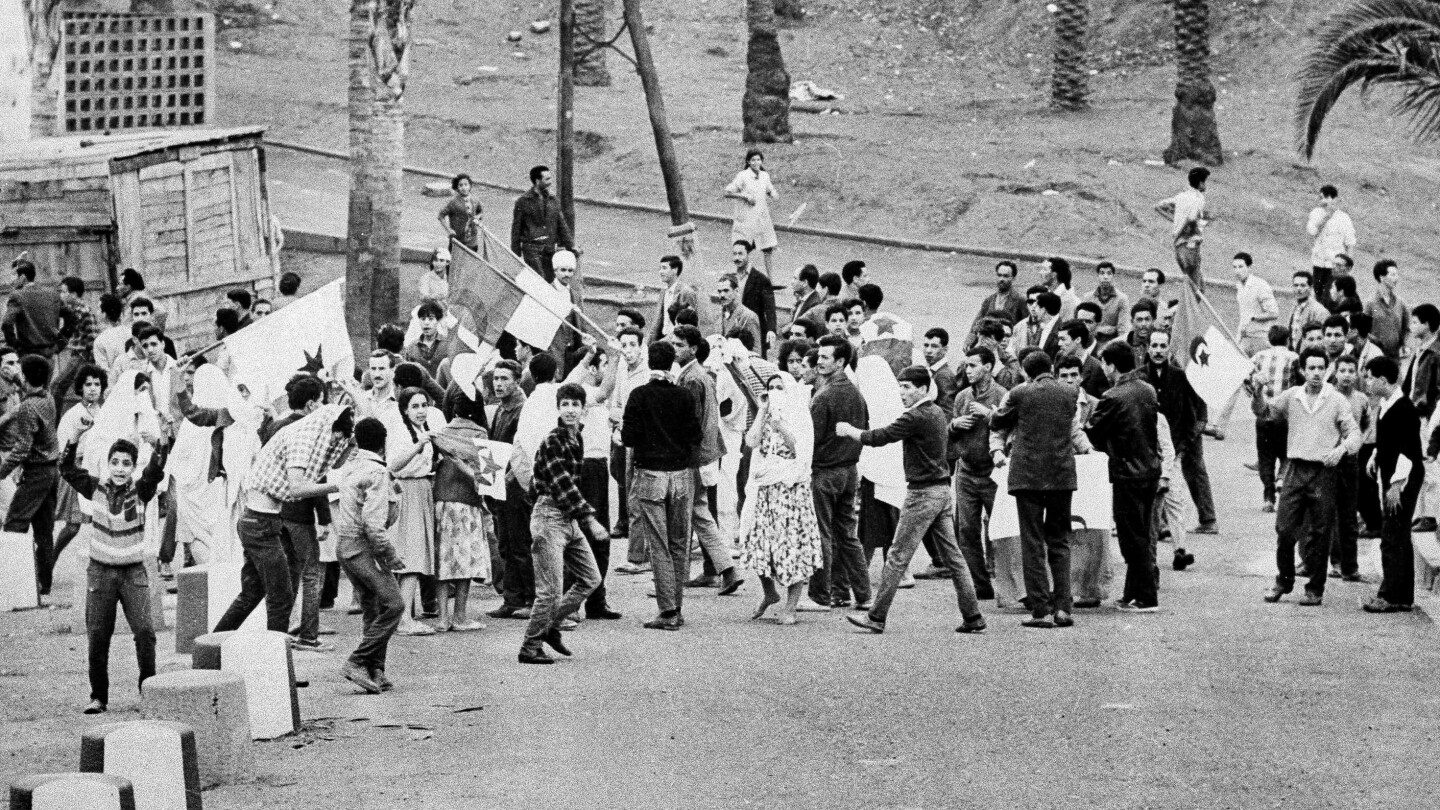
The choice of Algeria as the conference host carries profound symbolic significance. The North African nation endured particularly severe French colonial rule, culminating in a bloody war of independence that claimed hundreds of thousands of lives. French forces employed torture, forced disappearances, and village devastation as counterinsurgency tactics during the conflict.
Beyond historical reckoning, the reparations discussion extends to contemporary issues including the ongoing repatriation of looted artifacts from European museums and addressing what participants characterized as “unfinished decolonization” in territories like Western Sahara. Attaf specifically referenced the Sahrawi people’s struggle for self-determination as emblematic of persistent colonial-era challenges.
The movement faces complex diplomatic considerations, particularly regarding relations with former colonial powers. While French President Emmanuel Macron previously acknowledged certain historical actions as “crimes against humanity,” he stopped short of issuing formal apologies and urged against excessive focus on past injustices—a position that contrasts sharply with Africa’s escalating demands for comprehensive accountability.