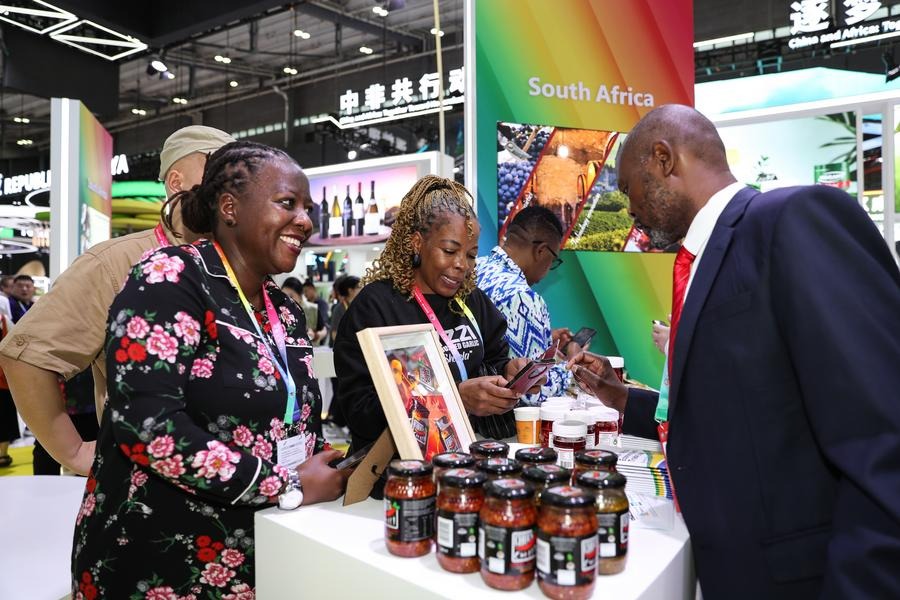
A comprehensive survey by Standard Bank reveals a significant reorientation in African trade patterns, with businesses increasingly favoring China and Asian markets over traditional Western partners. The Africa Trade Barometer, which surveyed over 2,000 companies across 10 African nations representing 68% of sub-Saharan Africa’s GDP, indicates a pronounced pivot toward Eastern economic alliances.
The data demonstrates that 35% of African enterprises now prefer Asia as their primary trading partner, with China maintaining its dominant position as the leading source of inputs for 67% of respondents. This preference is attributed to competitive pricing, extensive product variety, and exceptional supplier responsiveness from Chinese partners.
Conversely, North America ranked as the least preferred trading partner, selected by merely 4% of businesses. Philip Myburgh, Head of Trade at Standard Bank’s business and commercial banking unit, identified high shipping costs and recent policy shifts as contributing factors to this decline. The expiration of the US African Growth and Opportunity Act in September 2025, coupled with new tariffs ranging from 10% to 30%, has accelerated this trade diversion.
The research anticipates continued expansion of China-Africa trade relations, particularly as African economies depend on Chinese inputs to drive industrialization efforts. This outlook is strengthened by China’s recent announcement of implementing zero tariffs on goods from 53 African countries with diplomatic relations, effective May 1, 2026.
Grace Mutembo, Zambia’s High Commissioner to South Africa, welcomed the tariff elimination as a transformative opportunity for African exporters. Zambia, which maintains longstanding economic ties with China including infrastructure projects like the Tanzania-Zambia Railway refurbishment, seeks to increase value addition in agriculture and mining before exporting to Chinese markets.
Experts emphasize that African exporters must enhance production capacity and comply with technical requirements—including health standards, supply chain logistics, and financial arrangements—to fully capitalize on Chinese market access. Sandile Swana, former business lecturer at the University of the Witwatersrand, stressed the importance of understanding these comprehensive market requirements for successful trade engagement.