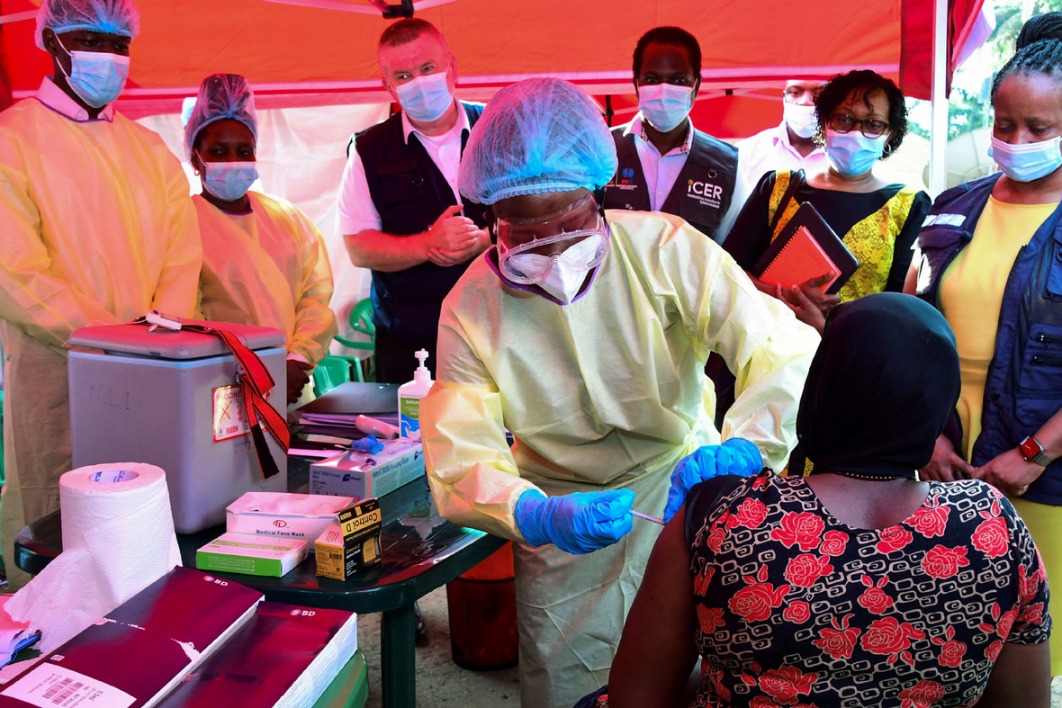
Amid unprecedented cuts in global health funding, Africa finds itself at a pivotal juncture, grappling with the dual challenges of sustaining its healthcare systems and redefining its approach to self-reliance. Health experts are urging African nations to shift from despair to determination, emphasizing the need for innovative solutions and sustainable financing models. Catherine Kyobutungi, Executive Director of the African Population and Health Research Center, highlights the urgency of moving beyond the immediate crisis to strategize long-term resilience. Since January, the continent has felt the impact of significant funding reductions from major donors, including the United States and OECD countries. While programs like HIV and malaria have maintained some stability, critical areas such as maternal and child health, as well as water and sanitation, have suffered severe cuts. Kyobutungi warns that these cuts not only threaten immediate healthcare delivery but also set a concerning precedent for the unpredictability of aid. However, many African leaders and experts view this crisis as an opportunity to transform the continent’s healthcare systems. During the Africa Health Sovereignty Summit in Ghana, leaders advocated for sustainable health financing through domestic resource mobilization and reduced reliance on external aid. Daniel Mwai, Kenya’s presidential health adviser, emphasized that achieving sustainability requires robust political and technical leadership, meticulous planning, and a willingness to rethink priorities. As Africa navigates this funding crisis, the path forward lies in innovation, self-reliance, and a renewed commitment to building resilient healthcare systems.