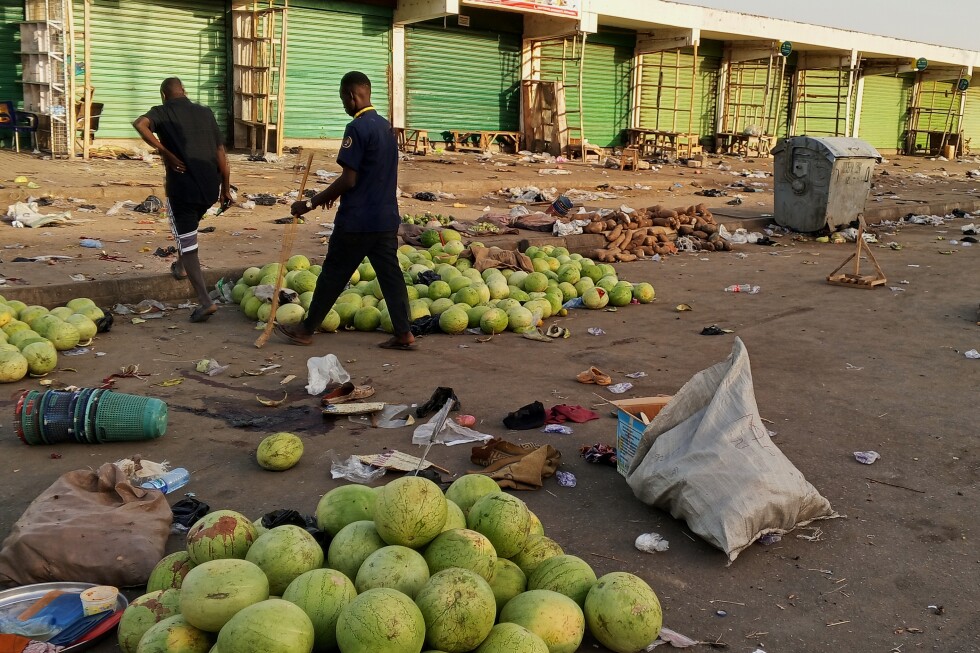
LAGOS, Nigeria — Northeastern Nigeria was struck by a devastating series of coordinated suicide bombings on Monday night, resulting in one of the deadliest attacks in recent memory for the conflict-ravaged region. Nigerian police confirmed Tuesday that at least 23 people were killed and more than 100 others sustained injuries in the simultaneous assaults that targeted multiple locations throughout Maiduguri, the capital of Borno state.
The attack marks the latest in a prolonged pattern of violence that has plagued the region. The bombings specifically targeted a hospital and two separate markets, maximizing civilian casualties during peak hours of activity. While no group has immediately claimed responsibility, the tactical use of multiple suicide bombers aligns with the operational signature of Boko Haram and its splinter factions.
This tragedy continues a grim chronology of violence in Borno state:
– February 23, 2021: Suspected militants launched rocket-propelled grenades into populated areas including a university campus, killing 10
– June 29, 2024: Female suicide bombers attacked a wedding, funeral, and hospital in Gwoza, leaving 32 dead and over 100 injured
– January 26, 2025: A vehicle-borne explosive targeted Nigerian military convoys, resulting in significant soldier casualties
– June 20, 2025: Restaurant bombing in Konduga killed 10 civilians
– September 5, 2025: Nighttime assault on Darul Jamal village claimed over 60 lives
– December 24, 2025: Mosque bombing during prayers killed 5 worshippers
– January 26, 2026: Military ambush near Damasak resulted in 7 soldiers killed and 13 captured
– March 16, 2026: Current multi-target bombing campaign across Maiduguri
The persistent violence demonstrates the ongoing security challenges facing Nigerian forces despite government claims of containing extremist groups. The attacks specifically targeting civilian infrastructure and gatherings reflect a strategic shift toward maximizing psychological impact and undermining public confidence in security measures.