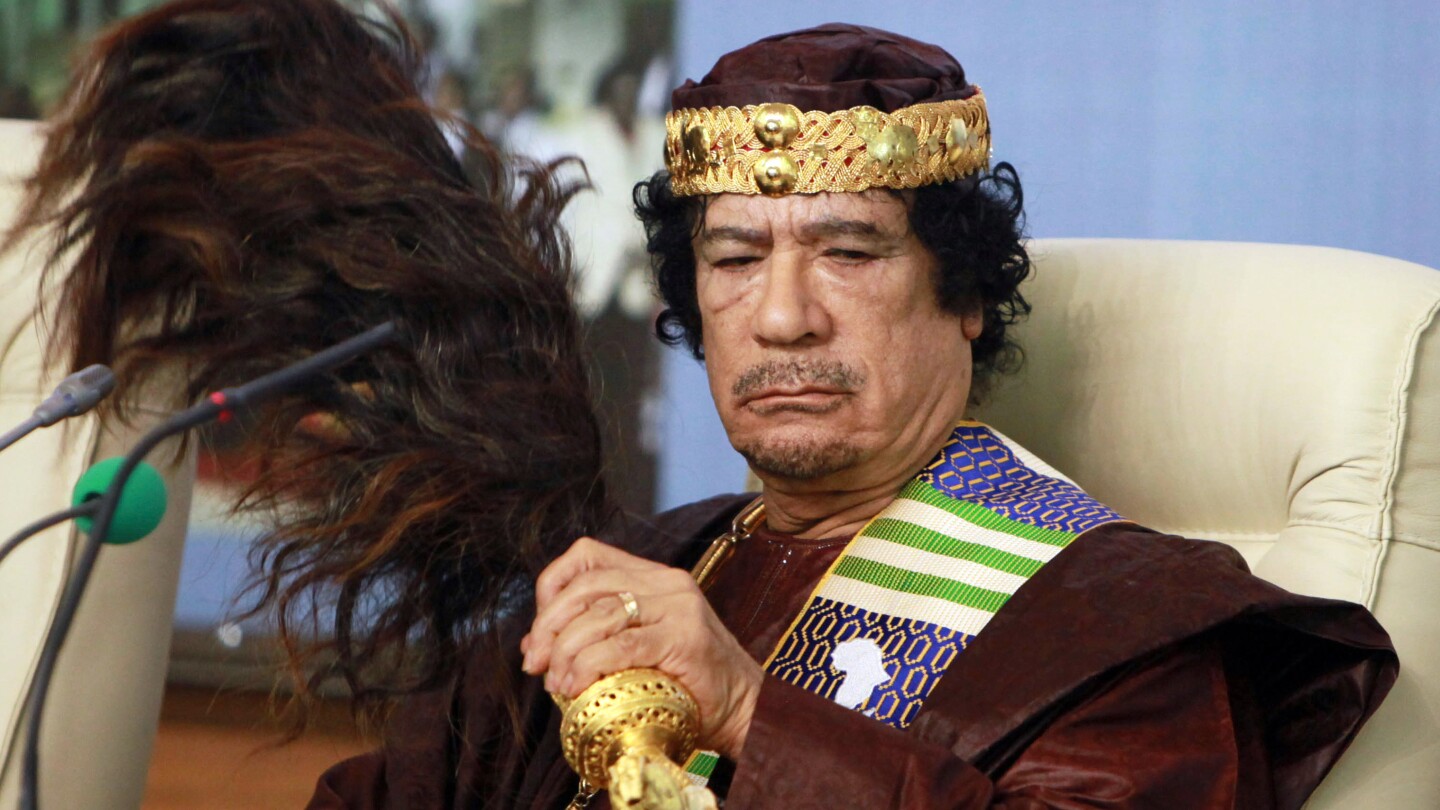
In the tumultuous world of politics, even the most seemingly invincible leaders can find themselves forced into exile, fleeing their countries to escape incarceration, execution, or political retribution. This phenomenon has been witnessed repeatedly across the globe, often triggered by revolutions, military coups, or widespread public unrest. The most recent addition to this list is Andry Rajoelina, the president of Madagascar, who was ousted in a military coup this week following weeks of Gen Z-led protests over economic hardship, lack of opportunities, and power shortages in the island nation. His downfall is part of a broader pattern of leaders who have met similar fates. Marc Ravalomanana, Madagascar’s sixth president, was overthrown in 2009 by Rajoelina himself, then the mayor of Antananarivo. Ravalomanana fled to South Africa, was convicted in absentia, and later returned to Madagascar only to face arrest before his sentence was lifted. In Syria, Bashar Assad fled to Russia in 2024 as rebel forces advanced toward Damascus, ending his family’s 51-year rule. Viktor Yanukovych, Ukraine’s former president, fled to Russia in 2014 after protests erupted over his decision to abandon an EU agreement in favor of a Russian bailout. Jean-Bertrand Aristide, Haiti’s first democratically elected leader, twice fled his country during military coups, while Libyan leader Moammar Gadhafi’s four-decade rule ended in 2011 when he was captured and killed by rebel forces during the Arab Spring. These cases highlight the precarious nature of political power and the dramatic consequences of its loss.