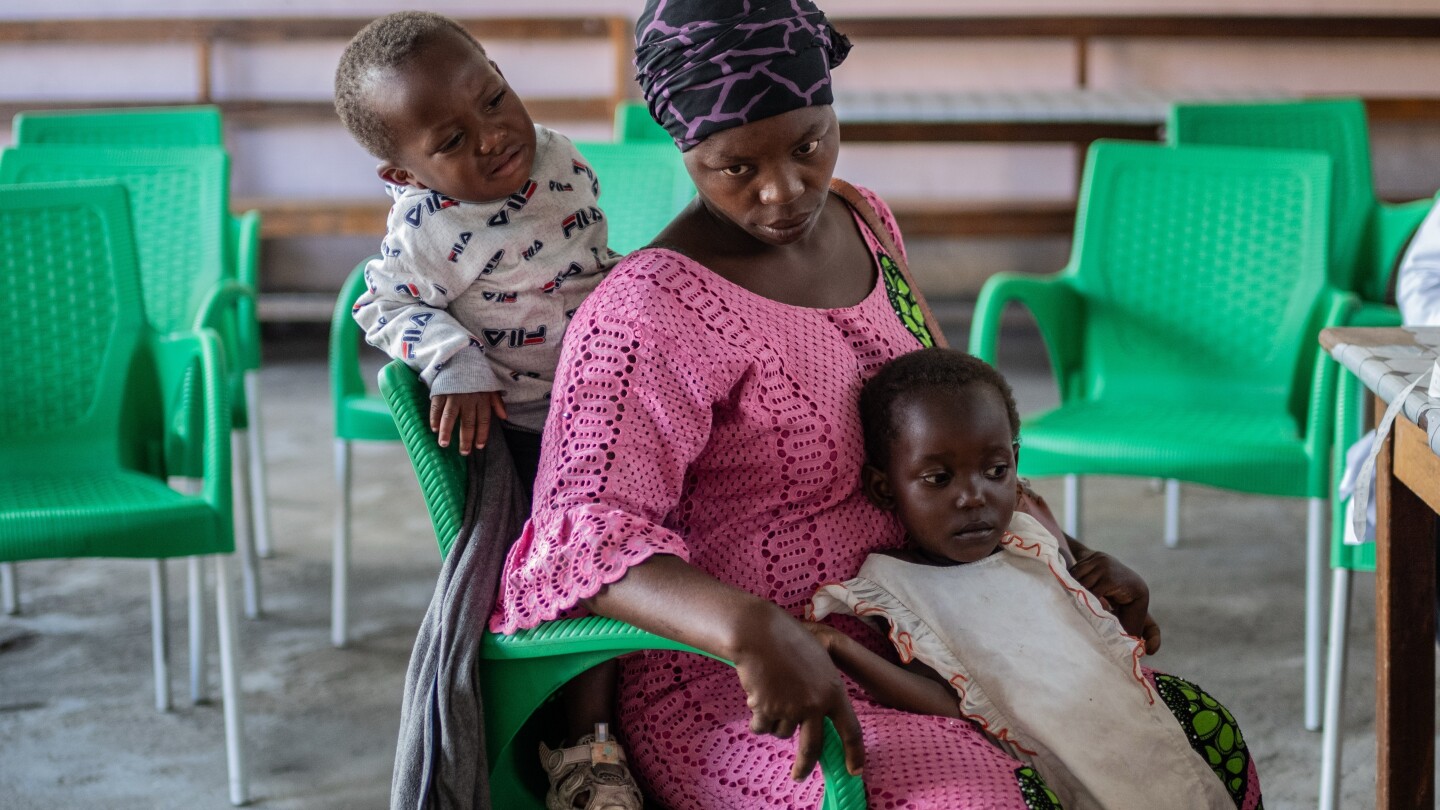
GOMA, Democratic Republic of Congo — A severe maternal health emergency is unfolding in eastern Congo as expectant mothers face impossible choices amid ongoing conflict and the sudden termination of a vital government healthcare initiative. The situation has created a perfect storm of humanitarian suffering in a region already grappling with one of the world’s highest maternal mortality rates.
The crisis stems from the confluence of multiple devastating factors: the collapse of a free maternity care program that previously provided essential services, continued rebel control of the city of Goma, and the complete breakdown of medical infrastructure. The program, initiated in 2023 to address Congo’s alarming maternal death statistics, offered free consultations and treatment for at-risk pregnancies at selected facilities nationwide before mysteriously ending in June without official explanation.
Irene Nabudeba, a mother of five expecting her sixth child, embodies the human cost of this healthcare collapse. “At the hospital, they ask us for money that we don’t have,” she explained at the Afia Himbi health center, her hands resting on her pregnant abdomen. “I’m pushing myself to come to the consultations, but for the delivery… I don’t know where I’ll find the money.”
The economic devastation accompanying the conflict has rendered even minimal medical fees prohibitive. Childbirth at a local clinic now costs $5-10, an impossible sum in a region where over 70% of the population survives on less than $2.15 daily. Franck Ndachetere Kandonyi, chief nurse at Afia Himbi, reported that monthly births under the free program had surged from approximately five to more than twenty before the initiative’s termination. That number has now plummeted to just nine monthly births as women retreat from formal healthcare.
The M23 rebel group, which seized control of Goma in January amid escalating violence, has offered contradictory explanations for the program’s collapse. Freddy Kaniki, deputy coordinator of M23, asserted to AP that the initiative “was not renewed because it was a failure,” without providing supporting evidence. Congolese officials remained unresponsive to inquiries.
Medical infrastructure has deteriorated catastrophically throughout the conflict. An International Committee of the Red Cross assessment in September revealed that 85% of health facilities face critical medicine shortages, while nearly 40% have experienced significant staff departures. Doctors Without Borders has documented attacks on hospitals, blocked ambulances, and threats against medical personnel.
The human impact extends beyond statistics. Ernestine Baleke, pregnant with her ninth child, walks over half a mile to the Rehema Health Center because she cannot afford transportation. “I don’t even have 100 francs (45 cents) in my pocket,” she revealed, explaining that her husband lost his factory job when the facility was looted early in the conflict. Their house subsequently burned, leaving the family destitute.
With three months remaining until her delivery, Baleke voiced the desperate plea of countless mothers: “The authorities must restore free health care. We risk dying in our homes while giving birth.” As fighting recently escalated despite U.S.- and Qatar-led peace efforts, the prospects for immediate resolution appear dim, leaving Congo’s most vulnerable citizens caught between conflict and catastrophic healthcare access.