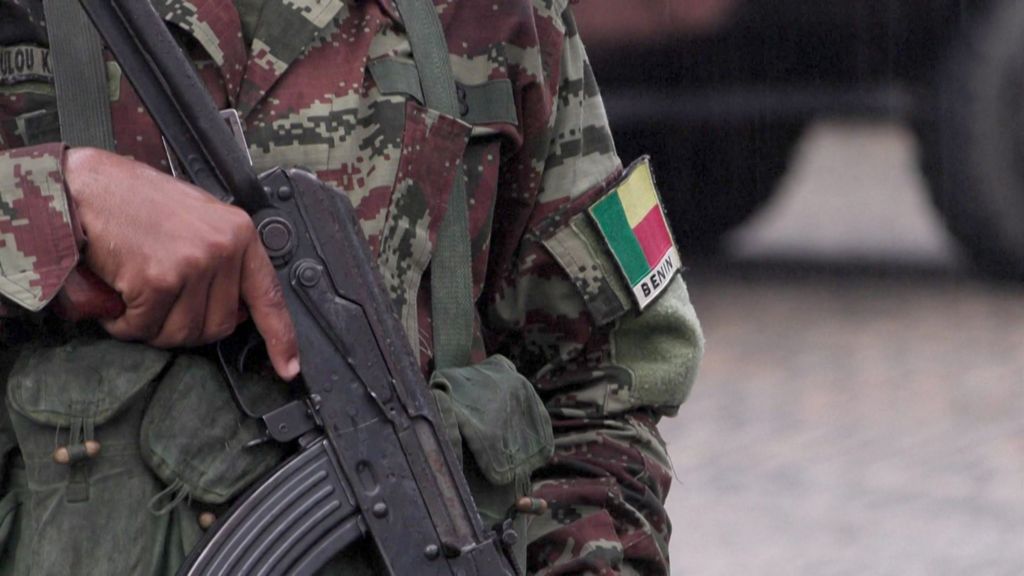
West African nations demonstrated unprecedented military coordination in neutralizing a coup attempt against Benin’s President Patrice Talon, marking a strategic reversal from previous ineffective responses to regional power grabs.
Nigerian warplanes conducted precision strikes against mutinous soldiers occupying Benin’s state broadcaster and military installations near Cotonou’s airport, while the Economic Community of West African States (ECOWAS) rapidly deployed ground troops from Ghana, Nigeria, Ivory Coast and Sierra Leone. This robust intervention came just days after Guinea-Bissau’s presidential election was interrupted by military takeover.
The failed putsch represents the ninth attempted overthrow in West Africa since 2020, occurring against the backdrop of last year’s withdrawal of Mali, Burkina Faso and Niger from ECOWAS. Unlike those successful coups that enjoyed popular support, the Benin conspirators fundamentally misjudged the national mood despite widespread grievances against Talon’s administration.
ECOWAS learned critical lessons from its mishandling of Niger’s 2023 coup, when delayed intervention allowed junta leaders to consolidate power. This time, the bloc acted within hours while Talon maintained constitutional authority and could legitimately request regional support. The swift response prevented rebel consolidation despite their lethal resistance against loyalist forces.
Benin’s distinctive political culture proved crucial to the operation’s success. While citizens share frustrations about the exclusion of Les Démocrates opposition party from upcoming elections, they maintain strong commitment to democratic processes forged during Benin’s pioneering role in Africa’s 1990s democratization wave. The coup plotters found zero popular support for their violent methods, with civilian casualties instead generating public anger.
Regional analysis reveals that while West Africa faces shared challenges including Islamist violence, economic pressures, and political disillusionment, each coup attempt stems primarily from localized circumstances. The Benin conspirators appear motivated by military grievances and political complaints, contrasting with Guinea’s 2021 popular uprising against constitutional manipulation or Sahelian coups driven by security failures against jihadist threats.
Security forces continue hunting coup leader Lieutenant Colonel Pascal Tigri and accomplices after rescuing two abducted military officials. The incident demonstrates ECOWAS’s renewed commitment to military intervention when constitutional order faces immediate threat, potentially establishing a new precedent for regional security response.