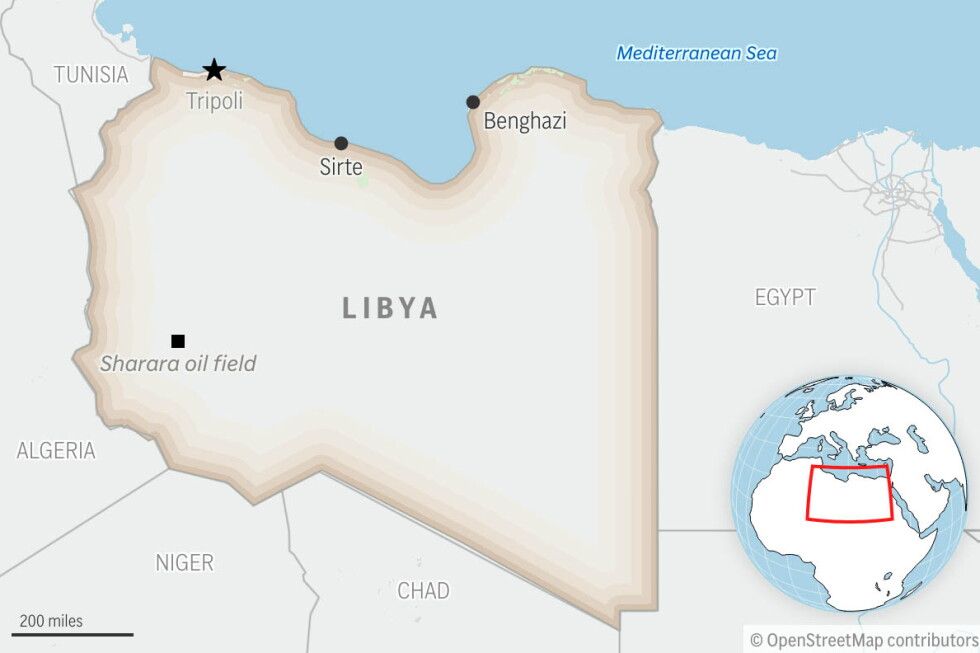
CAIRO – A devastating new tragedy has struck the perilous central Mediterranean migration route, after a smuggling boat carrying dozens of migrants hoping to reach Europe capsized off Libya’s eastern coast last week, leaving 51 people confirmed dead or missing, a regional migration monitoring group confirmed Friday.
The Abreen Organization, which documents migrant movements across eastern Libya, reported that 10 migrants managed to survive the June 12 shipwreck. So far, recovery teams have pulled 11 bodies from the waters or shoreline, while 40 additional passengers remain unaccounted for, the group confirmed.
This latest incident underscores the ongoing humanitarian crisis that has plagued the Mediterranean Sea for decades. Libya’s extensive northern coastline has long been the primary departure point for migrants from across Africa and the Middle East fleeing conflict, poverty, and political instability, who seek safety and better economic opportunities in Europe. Human smuggling networks operate with near-impunity across Libya, packing hundreds of desperate migrants into overcrowded, unseaworthy boats ill-suited for the open ocean crossing. Thousands have lost their lives attempting this dangerous journey year after year.
Local authorities confirmed that recovery efforts have been ongoing for days. The Libyan coast guard and the Red Crescent branch based in the eastern Libyan port city of Tobruk confirmed that bodies began washing ashore in the area over the 24-hour period ending Friday, releasing footage that showed rescue teams carrying remains wrapped in white body bags onto the beach.
Data from the International Organization for Migration (IOM) highlights the scale of the crisis. Between January 1 and May 16 of this year alone, more than 800 migrants were recorded as dead or missing along the central Mediterranean migration route. In all of 2023, the IOM documented more than 1,300 deaths and disappearances on the route.
Libya descended into widespread political chaos and civil conflict following the 2011 NATO-backed uprising that toppled and killed long-time authoritarian ruler Moammar Gadhafi, creating a power vacuum that smuggling networks have exploited to expand their operations. In the years since, the country has become the world’s busiest transit hub for migrants heading to Europe, with criminal networks moving people across Libya’s unpatrolled, 4,300-kilometer border it shares with six neighboring countries.
Migrants who survive the crossing attempt but are intercepted by Libyan authorities face further danger: those returned to Libya are typically held in overcrowded, government-run detention centers where systemic abuse is rampant. A UN-commissioned investigation has documented widespread human rights violations in these facilities, including forced labor, sexual violence, beatings, and torture, with many of these abuses classified as crimes against humanity under international law.
This incident is the latest in a long string of maritime disasters that have drawn repeated international condemnation, yet policy solutions to address the root causes of the crisis remain stalled. For more coverage of global migration trends, visit AP News’ dedicated migration hub.