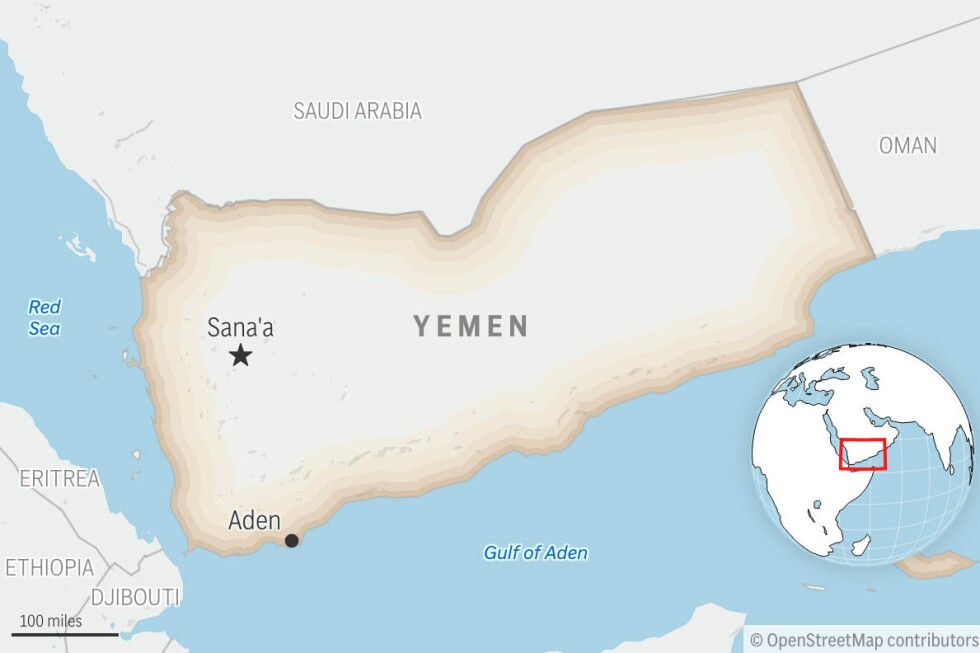
GENEVA — A vessel transporting migrants met with disaster off the coast of Djibouti earlier this week, resulting in significant loss of life, according to the United Nations migration agency. The International Organization for Migration (IOM) confirmed Friday that the overloaded boat capsized during its journey toward Yemen, claiming at least nine lives with approximately 45 individuals remaining unaccounted for.
This maritime catastrophe represents another tragic episode in the ongoing humanitarian crisis along the migration corridor connecting the Horn of Africa to the Arabian Peninsula. Over recent years, this treacherous passage has claimed thousands of lives among African migrants attempting to escape conflict zones and economic hardship in pursuit of better opportunities in affluent Gulf Arab nations.
The ill-fated vessel departed from Obock, a Djibouti port town, carrying over 300 passengers. It encountered difficulties while navigating the challenging waters of the Bab el-Mandeb Strait—a strategically significant maritime passage located on the opposite side of the Arabian Peninsula from the Strait of Hormuz—before sinking on Tuesday.
Search and rescue operations continue despite adverse conditions, as confirmed by Tanja Pacifico, IOM’s chief of mission in Djibouti. ‘Marine conditions remain extremely hazardous with rough seas and strong winds hampering recovery efforts,’ Pacifico stated during a video briefing from Geneva. ‘This migration route has consistently proven to be among the world’s most deadly passages.’
Survivor accounts indicate the vessel was carrying far beyond its safe capacity, contributing to the disaster. This incident marks the first recorded shipwreck in the region this year, following a devastating previous year that saw over 900 migrant fatalities or disappearances—the highest annual death toll documented in the strait’s history.
The Bab el-Mandeb Strait continues to attract tens of thousands of migrants annually who risk the dangerous crossing driven by complex factors including regional instability, economic pressures, and the promise of improved livelihood opportunities.