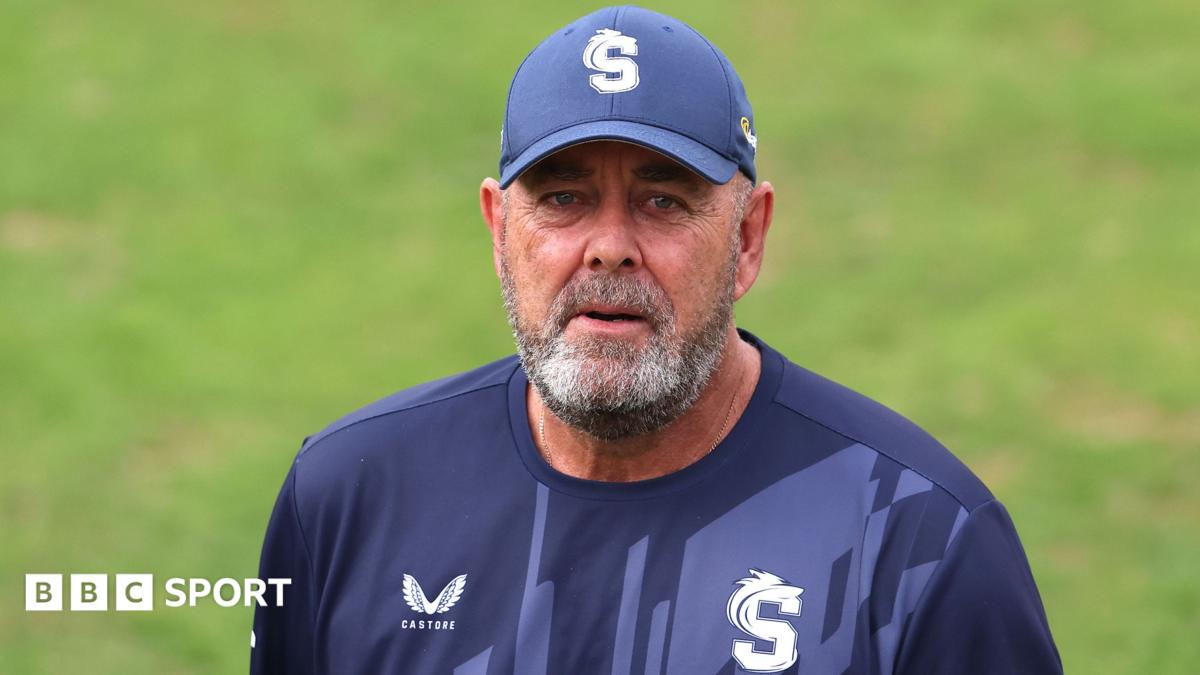
Eight and a half years after Australia’s infamous 2018 Newlands Test sandpaper ball-tampering scandal, the long-dormant controversy has exploded back into public view, triggering emotional public responses from former national men’s head coach Darren Lehmann, who currently leads English domestic side Northamptonshire. The latest wave of scrutiny was ignited two weeks prior by claims in Usman Khawaja’s autobiography, where the 2018 touring team member asserted the full playing squad bore shared responsibility for the cheating act. Khawaja’s account has since been corroborated by three other 2018 tour personnel: David Warner, Chadd Sayers and Jon Holland. The situation escalated sharply last Wednesday, when former opening batsman Cameron Bancroft — the only player caught on camera hiding sandpaper in his trousers during the Cape Town Test — published a 4,000-word detailed testimony in *The West Australian* laying out his full version of events. Bancroft’s explosive account pulled Lehmann away mid-commentary duties for Australia’s third one-day international against England, prompting him to leave the match early. On Saturday, Lehmann returned to co-broadcast the first T20 international in Melbourne for both the BBC and Australia’s ABC network, where he gave a raw, unreserved extended interview directly addressing every core allegation Bancroft had levelled against him. The former Australia batter categorically stated he had zero prior or real-time knowledge that his players were using sandpaper to alter the ball’s condition during the 2018 South Africa tour, and confirmed no member of his coaching staff ever instructed or encouraged players to tamper with the ball either before or during the series. When pressed on Bancroft’s specific claim that Lehmann had sent 12th man Peter Handscomb an urgent walkie-talkie order to remove the sandpaper from Bancroft’s possession immediately after the TV cameras caught the act, Lehmann said he had no clear recollection of such a conversation, noting the incident was already being broadcast live on global television by that point. He also clarified that he chose to resign from his post as head coach voluntarily before any formal termination proceedings could be initiated, and that he never signed a non-disclosure agreement related to the scandal. Lehmann went on to lay bare the devastating personal toll the 2018 fallout inflicted on him, revealing he was pushed to an extremely dark, traumatic mental state that took three to four years of dedicated support from loved ones to emerge from, and that the ongoing vitriol on social media as the scandal is rehashed is inflicting fresh harm on every person connected to the 2018 squad, as well as their families. He acknowledged that the team had pushed boundaries too far in the 2018 series and that he took personal responsibility for those missteps, but stressed that he cannot recall the pre-planned sandpaper scheme Bancroft described as being devised by David Warner during the tea break of the second Test, or any team-wide open discussions celebrating the effects of ball tampering that Bancroft outlined. On the very same day Lehmann made his public denial, Cricket Australia officially released a statement confirming its full, unanimous backing of current men’s captain Pat Cummins, whose leadership position had come under intense mounting pressure in the wake of Bancroft’s testimony. Earlier in the week, senior fast bowler Josh Hazlewood had publicly stated he would re-evaluate his international playing future if Cummins was forced to step down from the captaincy. Cummins, Hazlewood and all other playing members of the 2018 Cape Town Test team have consistently denied any prior knowledge or participation in the ball-tampering plot. To date, only Warner, former captain Steve Smith and Bancroft received formal disciplinary sanctions for the 2018 incident. Lehmann closed his emotional interview by pleading for the public to move past the repeated rehashing of the scandal, to respect the mental wellbeing of all affected parties and their families, and to allow current players to focus on playing the sport, noting that all who wear the Australian baggy green are only temporary custodians of cricket’s legacy.