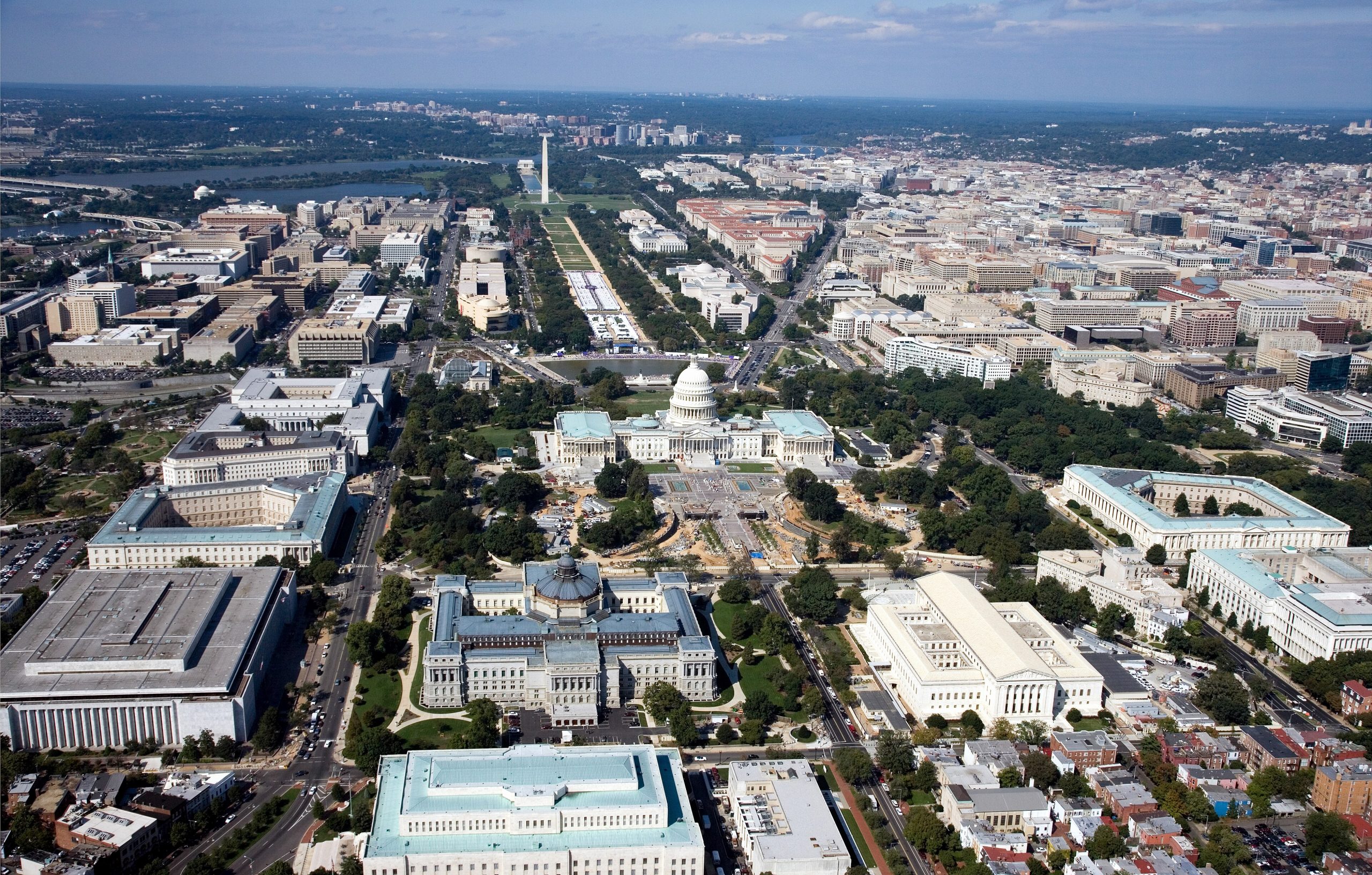
Decades after the George W. Bush administration peddled unsubstantiated falsehoods about Iraqi weapons of mass destruction to justify its 2003 invasion of the Middle Eastern nation, a new round of unconfirmed US intelligence claims about Iranian hostile plotting is facing widespread public and expert pushback, nearly nine months into what critics describe as an illegal joint US-Israeli military campaign against Iran. In an exclusive Monday report, CNN cited seven anonymous US officials to claim that newly collected American intelligence purports to show Iran has been developing contingency plans to assassinate senior Trump administration figures by detonating a so-called dirty bomb or chemical weapon on US soil in Washington, DC, even as internal US government divisions persist over whether Iran possesses the capability or intent to carry out such an operation. The network added that sources familiar with the classified intelligence framed the alleged Iranian activity at this stage as a broad effort to retain strategic options, rather than proof of a looming, imminent strike. Two of the unnamed officials further claimed, however, that the newly detected plotting included highly specific details about target locations, a development that has spurred a wave of accelerated emergency preparedness planning across US national security agencies. Both the Trump White House and Iranian authorities have publicly rejected the core of the uncorroborated claims. Lauren Bis, a spokesperson for the Trump administration, stated that the US is actively tracking all potential threats, but no credible, actionable risks to the American homeland have been identified at the current time. A representative for Iran’s diplomatic mission to the United Nations in New York went further, emphasizing that Tehran views any use of chemical weapons under all circumstances as fundamentally illegitimate, and that it categorically and unequivocally dismisses the unsubstantiated allegations as entirely fabricated. The claims have drawn immediate comparisons to the discredited 2002-2003 media and government narrative around Iraqi WMDs that laid the public groundwork for the devastating Iraq War, which killed hundreds of thousands of civilians and destabilized the entire region. Sam Biddle, an investigative reporter at The Intercept, noted on social media platform X that the urban dirty bomb threat was one of the most pervasive, unproven bogeymen of the peak post-9/11 War on Terror era, and that the narrative appears to have resurfaced decades later. Laila Al-Arian, executive producer of Al Jazeera’s flagship investigative series *Fault Lines*, echoed that observation, pointing out that the new CNN reporting bears striking similarities to the flawed, unvetted coverage that preceded the 2003 Iraq invasion. Prominent US-Middle East political analyst Omar Baddar added that the allegations carry unmistakable echoes of the Saddam Hussein WMD disinformation campaign, and emphasized that the latest claims cannot be viewed in isolation from recent diplomatic and political developments surrounding the ongoing Iran conflict. A recent Axios report revealed that Mossad director Roman Gofman, a close ally of Israeli Prime Minister Benjamin Netanyahu, recently traveled to Washington for high-level closed-door meetings with senior Trump administration officials to discuss the trajectory of the Iran war, as Netanyahu pushes US President Donald Trump to restart large-scale offensive operations against Iran. The diplomatic push comes as both leaders face significant domestic political setbacks: Netanyahu lost his parliamentary majority in the Israeli Knesset last month, while the US Republican Party lost control of both chambers of Congress in recent elections, with Democrats set to take power in January. With a critical federal government funding deadline approaching next month, leading Democratic senators have already introduced a legislative amendment that would cut all funding for what they describe as Trump’s disastrous, illegal, and unjustified war in Iran, until the conflict receives formal congressional authorization as explicitly required by the US Constitution.