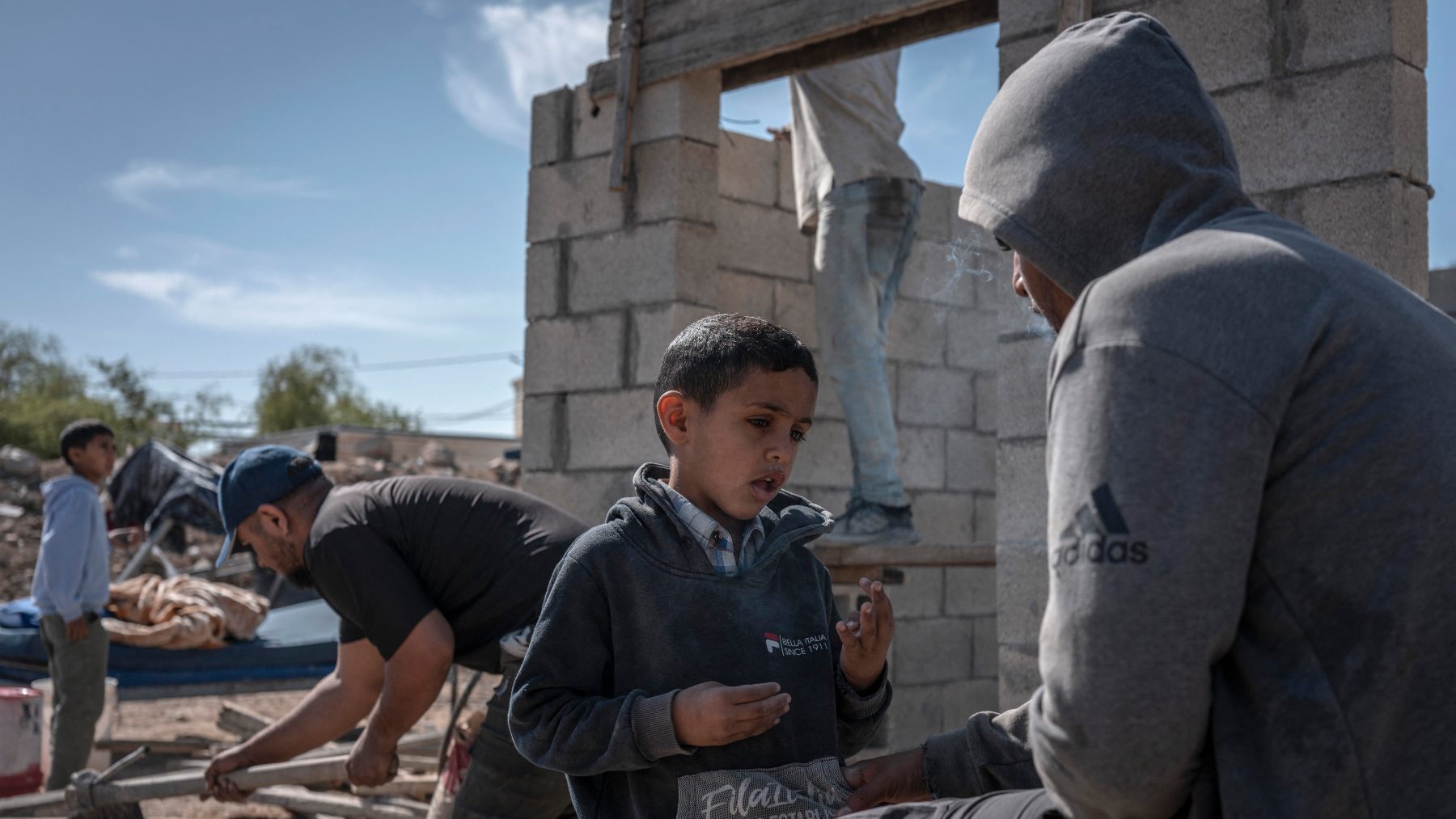
A harrowing late-night incursion by armed Israeli settlers on a private Palestinian family home in Ein al-Duyuk al-Tahta, a village west of Jericho in the occupied West Bank, left 73-year-old Fidda Fheidat dead and eight of her relatives, including children and grandchildren, suffering gunshot wounds on a recent Monday. Eyewitness accounts shared with independent regional outlet Middle East Eye confirm the assailants breached the property in the dead of night, firing a close-range headshot that killed Fidda instantly. The attack unfolded just weeks after the same group of settlers forcibly seized eight unoccupied Palestinian residences on November 4, breaking down doors to occupy the properties roughly 500 meters from the main cluster of the village’s homes. Since that initial takeover, local village committee member Jihad Mahalis explained, settlers have launched nightly incursions into the broader community, roaming residential courtyards to steal or destroy personal belongings ranging from motorcycles and electric scooters to household gas ovens, while blocking local residents from accessing their own homes and surrounding agricultural land. Ahmad Fheidat, the victim’s brother-in-law, recalled hearing the sudden burst of gunfire and rushing to the property to fend off the intruders, only to be shot in the leg mid-movement. When he turned to assess his surroundings, he spotted Fidda lying motionless on the ground, bleeding heavily from her head. Despite his own leg wound, he crawled to her side, only to discover the close-range gunshot had shattered her skull, with her blood splattered across the interior walls of the family home. Fidda’s son Arafat, who raced to the scene in his vehicle, collided with the settlers’ getaway car, prompting the armed group to open fire on him and strike his pelvis, shattering multiple bones in the process. Even with life-altering, severe injuries, Israeli military forces at the scene arrested Arafat on fabricated charges of attempting to run over the settlers, and his location remained undisclosed to his family at the time of reporting. Multiple witnesses confirmed Israeli military forces arrived at the property just 10 minutes after the settlers launched their attack, but instead of intervening to stop the violence, they set up a full military cordon that blocked emergency ambulances from reaching the wounded family for critical care. The Israeli army has since notified the grieving Fheidat family that they are forbidden from holding a large public funeral gathering or erecting a traditional community mourning tent, citing unsubstantiated claims of potential risks to the settlers occupying the nearby seized homes. The village’s 2,000 Palestinian residents have been trapped in what Mahalis described as a “living hell” since the settlers moved into the eight seized properties, facing regular targeted assaults, property theft, and deliberate destruction of their agricultural crops. The same Monday brought a second, separate violent settler incident in the town of Tuqu, southeast of Bethlehem, according to official statements from the Palestinian foreign ministry. A settler driver first struck three young men gathered at the site of a separate minor traffic accident in the Khirbet al-Deir area, then reversed his vehicle and returned to deliberately hit five additional Good Samaritans who had arrived to aid the initial group of injured people. All eight wounded victims were transported to medical facilities in Bethlehem, after which Israeli military units swept into the city, closing its main access road and primary entry point to restrict movement. These two back-to-back attacks fall within a documented, months-long surge in settler violence across the occupied West Bank. Data from the United Nations Office for the Coordination of Humanitarian Affairs (OCHA) shows that between November 3 and November 9 alone, 52 separate settler attacks targeting 38 Palestinian communities resulted in casualties or extensive property damage, leaving 23 people injured and forcing 13 Bedouin households totaling more than 80 people to flee their homes for safety. OCHA’s public tracking records, which date back to 2006, confirm that October 2026 saw the highest monthly total of settler attack incidents ever documented, with 467 separate violent events logged by October 31. A prior September 2026 OCHA update noted that more than 1,100 Palestinians had sustained injuries from settler assaults since the start of that year. The latest wave of unpunished violence has sparked widespread international alarm over the safety of Palestinian communities residing in proximity to Israeli settlements and unauthorized outposts, as no settlers involved in the recent deadly raids have been held legally accountable for their actions to date.