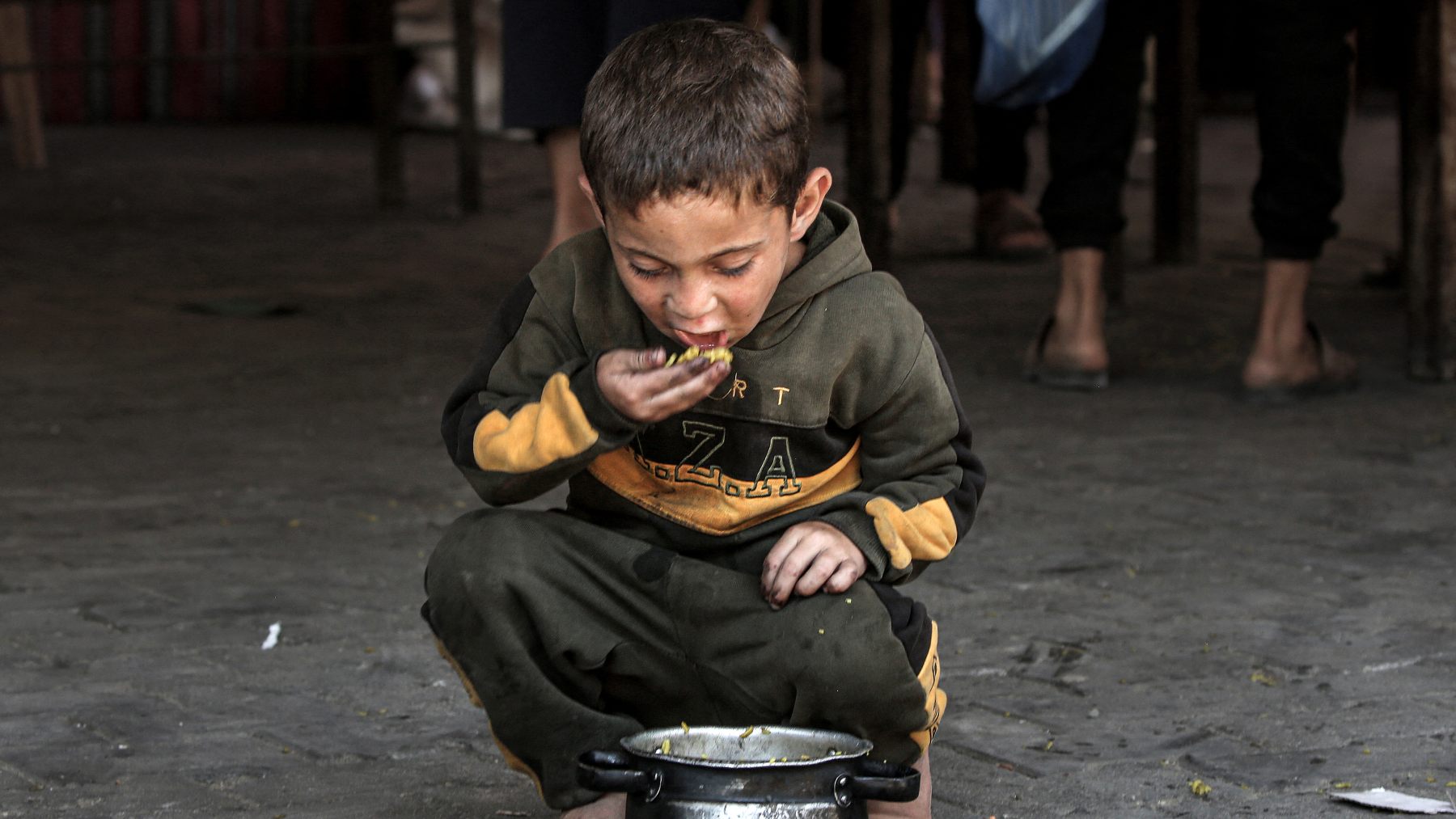
Official Israeli military statistics, cross-referenced with figures shared by the country’s Coordinator of Government Activities in the Territories (COGAT) with the U.S.-led International Gaza Support Center (IGSC), reveal that Israel has consistently fallen short of its obligations under the Gaza ceasefire agreement, permitting only roughly 50% of the agreed monthly volume of humanitarian and commercial goods to enter the enclave since March this year. The original ceasefire terms required Israel to facilitate the entry of 4,200 aid and commercial vehicles per week, translating to approximately 18,200 trucks monthly, carrying critical supplies ranging from food, fuel, and medical equipment to shelter materials and infrastructure repair tools. The tracked monthly entry volumes show a stark gap from the mandated quota: only 4,700 trucks were allowed in March, followed by 5,300 in April, over 9,600 in May, more than 12,000 in June, 10,000 each in July and August, a peak of over 13,000 in September, before plummeting to just over 6,500 in October. This data, first uncovered by Israeli publication Haaretz, documents a steadily widening shortfall in food shipments, alongside acute gaps in medical stockpiles, tents, and construction materials needed to rehabilitate war-damaged infrastructure. As harsh winter torrential rains sweep across Gaza, the already catastrophic conditions for displaced Palestinians have deteriorated drastically: flash floods have submerged makeshift displacement camps, pushing hundreds of thousands of residents into life-threatening circumstances. COGAT has pushed back against the findings, dismissing the publicized statistics as “inaccurate” and claiming Israel is fulfilling, and even exceeding, all its humanitarian commitments. Notably, the Israeli governmental body has stopped releasing comprehensive monthly aid entry breakdowns, now only publishing partial data for pre-selected supply categories. This set of shared statistics represents a rare public instance of official Israeli data contradicting the state’s public claims of full compliance with ceasefire terms. The United Nations Office for the Coordination of Humanitarian Affairs (OCHA) reported on Friday that an estimated 226,000 Palestinians across 46,000 households have been impacted by recent flood events, with over 40,000 makeshift shelters sustaining damage, including more than 9,000 that are completely uninhabitable. The UN has warned that floodwater mixed with untreated sewage poses severe public health hazards, risks that are amplified by the widespread damage to local health facilities, persistent medicine shortages, and disrupted basic medical services. The World Health Organization further cautioned that roughly 950,000 displaced Palestinians are residing in flood-prone zones, with over 400,000 of them located in extremely high-risk areas. On Saturday, senior Hamas official Khalil al-Hayya issued a call for an urgent global humanitarian campaign to deliver life-saving shelter supplies to Gaza, and to pressure Israel to allow unimpeded entry of tents, heating fuel, and equipment to repair broken sewage and rainwater drainage systems. In formal letters addressed to Arab and Muslim nation governments, al-Hayya urged regional states to leverage diplomatic pressure to force Israel to fully implement all clauses of the ceasefire agreement, including its humanitarian access provisions and a complete military withdrawal from the Gaza Strip. He also demanded unrestricted operational access for all UN agencies and independent humanitarian aid groups, and called on the UN Security Council to convene an emergency special session to address the unfolding crisis. Gaza’s Ministry of Health announced on Saturday that ongoing Israeli violations of the ceasefire terms have resulted in 1,643 Palestinian fatalities and 5,964 recorded injuries up to that date.