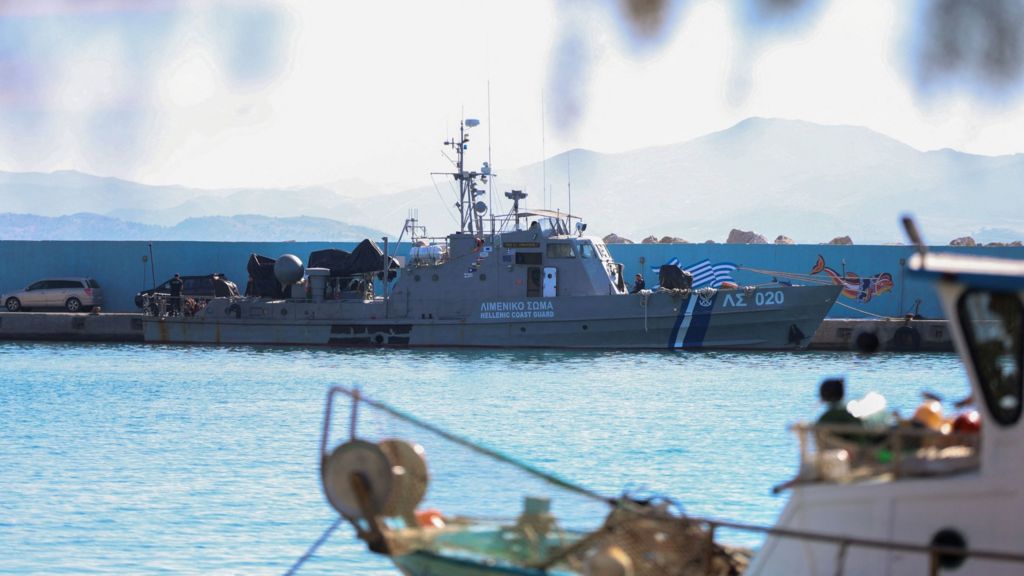
Greek maritime and national authorities have confirmed a string of alarming developments related to irregular migration flows across the Eastern and Central Mediterranean in the opening days of November 2025, starting with a fatal shipwreck off the shores of Crete that claimed at least 13 lives. The ill-fated overcrowded migrant vessel was first detected by a Morocco-flagged commercial container ship roughly 15 nautical miles, or 28 kilometres, off Crete’s coastline, prompting an immediate Greek coastguard search and rescue operation. Teams on the scene pulled 18 Sudanese nationals alive from the frigid waters, with local coastguard personnel speaking to Reuters on condition of anonymity noting that all survivors were shivering violently from prolonged exposure to harsh marine conditions; four of the group, including a young toddler, were transported to local medical facilities for urgent treatment. Initial investigations have not yet pinpointed the exact trigger of the sinking, but officials have flagged that the small craft had likely been adrift at sea for multiple days, battling gale-force seasonal winds that blocked its path to the Greek shore. The deadly incident is far from an isolated case: official coastguard records show that crews rescued an additional 187 people across three separate migrant interception operations across Greek national waters on Monday alone. Combined with the steady stream of arrivals documented by regional authorities, approximately 1,700 total migrants have successfully reached Greek island territories in just the first three days of November, marking a sharp uptick in crossing volumes. Data published by the United Nations migration agency further contextualises the scale of the ongoing surge: more than 37,000 migrants have already arrived in Greece via sea routes in 2025, a figure that has already exceeded the total recorded for the full previous calendar year. Crete has emerged as one of the busiest new entry points for people transiting from the Middle East and North Africa to reach the European Union, with 22,000 of the 86,400 total Mediterranean sea arrivals logged across the EU so far this year landing directly on the island. Greek migration authorities have rolled out targeted emergency response measures to address the unanticipated influx, including the planned launch of a purpose-built temporary accommodation facility on the outskirts of Heraklion, Crete’s administrative capital. The new wave of crossings evokes echoes of the 2015-2016 European migration crisis, when nearly one million asylum seekers, mostly departing from Turkey, landed on Greece’s eastern Aegean islands. While arrival numbers dropped sharply in the years after as EU and Greek authorities implemented stricter border control frameworks, recent years have seen a dramatic resurgence in departures originating from Libya, with the vast majority of travellers coming from conflict-ravaged Sudan, alongside economic migrants fleeing limited livelihood prospects in nations such as Bangladesh.