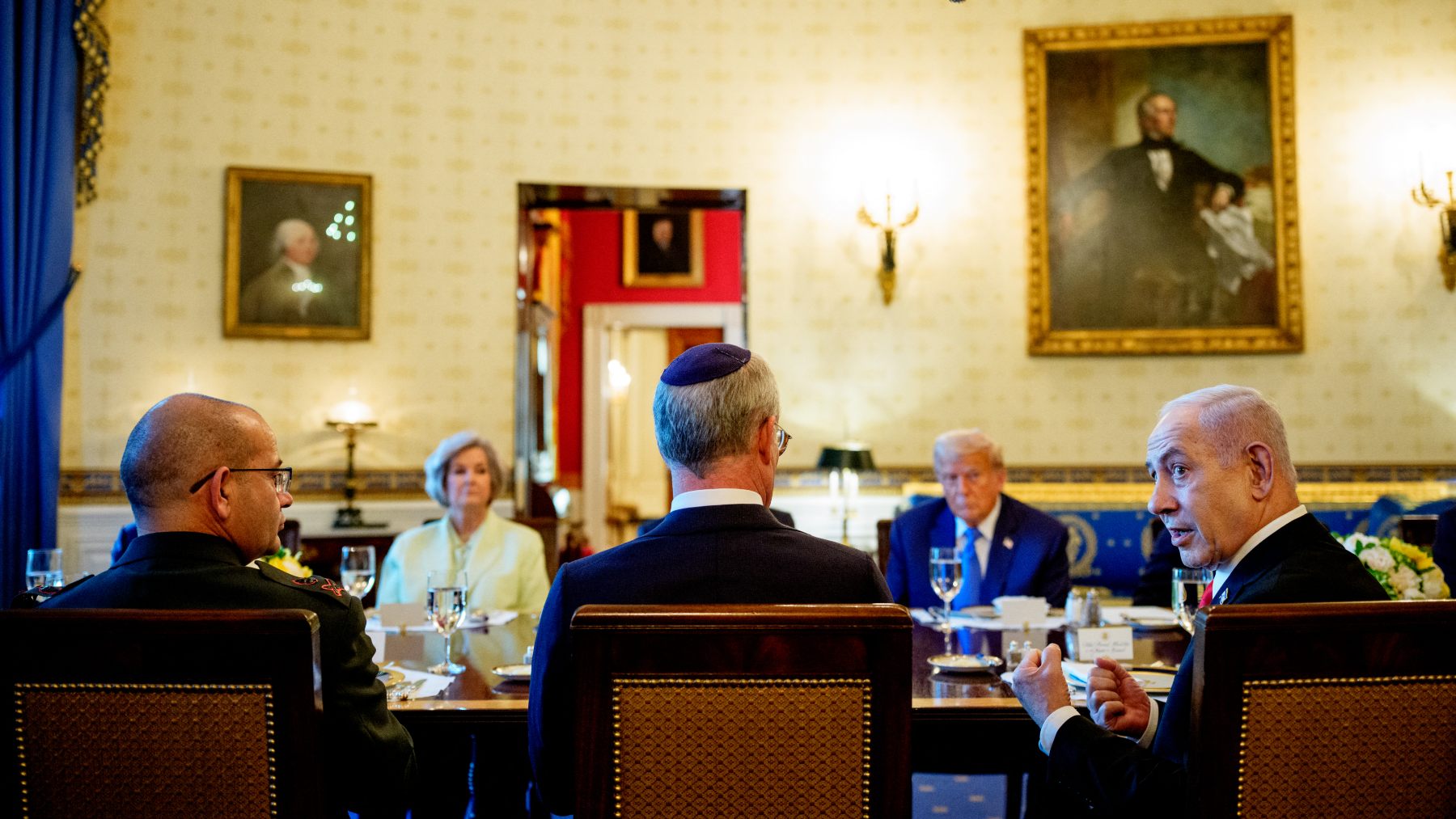
A series of recent Israeli media disclosures have laid bare a dramatic chain of events in the lead-up to Israel’s 27 October national election, centering on a top-secret proposed anti-Iran operation pushed by Prime Minister Benjamin Netanyahu and Mossad director Roman Gofman. According to reporting from Israel’s prominent Channel 12 network, the covert plan was actively developed in the final days before citizens headed to the polls, but faced fierce internal pushback from senior figures across Israel’s security establishment from its earliest stages. These veteran security officials warned that launching any uncoordinated military or intelligence action against Iran at that politically sensitive juncture risked sparking a full-scale regional escalation that could force the unprecedented postponement of the tightly contested general election. Despite widespread internal resistance, operational preparations for the mission continued apace, until a low-level Israeli security operative inadvertently shared details of the plan with U.S. counterparts. The accidental leak triggered an immediate, forceful intervention from Washington, which moved rapidly to shut down the entire proposed operation before it could be executed. Netanyahu’s official office has since categorically denied the entire account, issuing a formal statement noting that the prime minister had explicitly clarified in real time that any pre-election strike against Iran was never under active consideration. The thwarted operation revelation is only the latest in a string of publicized rifts between Netanyahu and top Israeli military leadership in the pre-election window. Just two days before polling day, on 25 October, Channel 12 first reported an unprecedented, heated confrontation between Netanyahu and Israel’s Chief of the General Staff Eyal Zamir over a proposed military action that defence officials feared would spark a catastrophic, unplanned conflict with Iran. The network confirmed that Zamir refused to greenlight the mission, demanding extended formal deliberations and explicit written legal authorization signed directly by Netanyahu to validate the operation. One senior military source speaking anonymously to the network emphasized that the planned action carried extreme risks of triggering a major regional flareup at a deeply sensitive political moment, creating a dangerous potential for catastrophic miscalculation. Multiple unnamed security sources also told reporters that senior military leaders held deep suspicions that Netanyahu’s political cabinet was attempting to weaponize the Iranian national security issue to boost electoral support ahead of the vote. The day before the 27 October election, both Channels 12 and 13 confirmed that Zamir was the sole senior Israeli security chief who openly opposed the joint operation pushed by Netanyahu and then-Defence Minister Israel Katz, citing repeated warnings that the move would spark Iranian retaliation and disrupt the electoral process entirely. Separate reporting from The New York Times corroborated these accounts, noting that Netanyahu had spent weeks attempting to orchestrate a new airstrike targeting Iranian territory, only to be repeatedly blocked by Zamir. The U.S.-based outlet added that Zamir grew increasingly concerned that Netanyahu was pushing for a limited, deniable operation that stopped short of a full overt strike, which the military chief still believed would almost certainly provoke a major Iranian military response. Former Israeli prime minister and long-time Netanyahu critic Ehud Barak later confirmed elements of these accounts during a Channel 12 interview, alleging that Netanyahu had attempted to orchestrate a deliberate provocation against Iran via Mossad, deliberately keeping the IDF chief of staff in the dark to bypass military oversight. These explosive allegations of unauthorized pre-election military planning have emerged against a backdrop of high-stakes ongoing diplomatic efforts to de-escalate open hostilities between the United States and Iran, with Qatar acting as the official neutral mediator between the two parties as Washington weighs its next strategic steps in the region. On 1 November, Channel 12 published additional details of a high-profile phone call between Netanyahu and U.S. President Donald Trump, during which the Israeli prime minister reportedly urged Trump to immediately resume full-scale military operations against Iran immediately following the U.S. 3 November midterm elections. According to Israeli and U.S. sources with direct knowledge of the call, Trump pushed back against the request, stating that he intended to grant ongoing diplomatic negotiations with Tehran additional time to produce results. Netanyahu’s core concern during the conversation was that a finalized diplomatic agreement between Washington and Tehran would lead to a significant rollback of international economic and military pressure on Iran, a outcome he has repeatedly publicly opposed. For his part, Trump explicitly requested that Israel refrain from taking any unilateral military action that could disrupt the ongoing negotiation process. Qatar’s mediation team has continued its shuttle diplomacy efforts in the weeks following the U.S. midterms. During a public press briefing on Saturday, Qatari Prime Minister Sheikh Mohammed bin Abdulrahman Al-Thani confirmed that U.S. negotiators remained committed to reaching a mutually acceptable deal with Tehran, and that the two sides had already made substantial, tangible progress in talks. “We do not need to wait to secure a perfect, all-encompassing agreement; our priority is to reach a solid, functional good agreement that de-escalates tensions across the region,” he told reporters, as cited by Reuters. Trump also addressed the ongoing U.S.-Iran talks publicly on Friday, speaking to reporters outside the White House to confirm that active negotiations were underway, while asserting that the United States held a dominant strategic position in the ongoing conflict. “We have defeated Iran militarily, we are in a very strong position in our talks with them, and we have not lost a single U.S. service member in this conflict in six or seven months,” he stated. He also repeated a long-standing public claim that “Israel, and indeed the entire Middle East, would not exist today if I had not taken action to stop Iran from acquiring a nuclear weapon.”
Leak reportedly exposed Netanyahu and Mossad chief’s plan to attack Iran before Israeli election