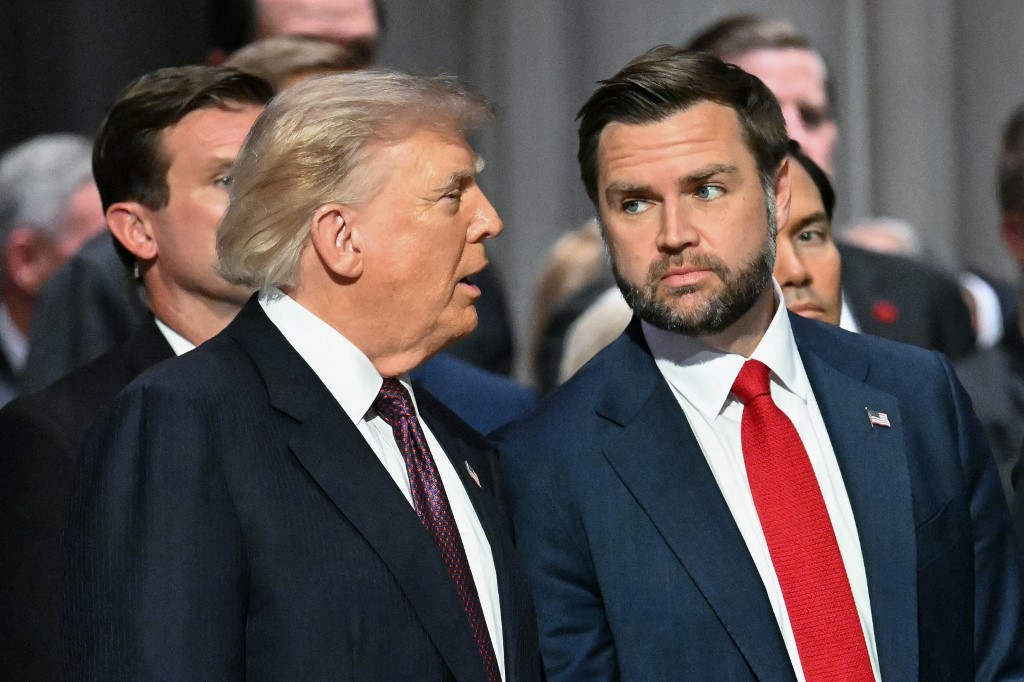
In a sharply worded, extended social media post published on X on November 4, 2026, U.S. Vice President JD Vance publicly pinned the Republican Party’s devastating underperformance in the 2026 midterm elections on the ongoing Iran conflict and the administration’s unwavering support for Israel, in a clear rebuke of President Donald Trump’s Middle East policy framework. Vance laid out data from the campaign’s internal analysts showing that Republican base turnout was far stronger than many pre-election polls had predicted, with electorate composition in key battleground states nearly matching the favorable numbers that delivered the 2024 Trump-Vance ticket to victory. Despite that robust turnout, however, the data flagged a critical red flag weeks before voting day: tens of thousands of 2024 Trump-Vance supporters were actively planning to cast ballots for Democratic candidates, a trend that ultimately materialized on election day. Vance cited post-election polling from a top political analyst who accurately forecast the Democratic landslide, which found that the overwhelming majority of disaffected former Republican voters who flipped to the Democrats listed four top priorities: an immediate end to the Iran war, renewed focus on sky-high cost of living and inflation, a return to core “America First” policy principles, and a fundamental overhaul of the U.S. bilateral relationship with Israel. Vance pushed back against anticipated post-election narratives from Republican establishment figures that would frame immigration amnesty as a solution to the party’s electoral woes, noting that targeted reforms to crack down on employers hiring undocumented labor were reasonable, but framing amnesty as a fix for the midterm loss was deliberate misdirection. He emphasized that any honest internal reckoning within the GOP had to center on the electoral cost of the ongoing Middle East conflict, arguing that the party had effectively surrendered control of the U.S. Senate for the next six years as a consequence of its foreign policy choices. The final election results confirmed a sweeping Democratic victory, with the party projected to hold 54 Senate seats and 237 House seats, a majority large enough to systematically block nearly all of Trump’s remaining second-term legislative and executive priorities. In the aftermath of the results, Trump posted his own statement on X claiming he would have delivered a landslide Republican win if his name had appeared on the 2026 ballot, despite having headlined dozens of campaign rallies for GOP midterm candidates in the lead-up to voting day. Trump later acknowledged to the Wall Street Journal that the Iran war was only a partial contributing factor to the GOP’s defeat, while separately telling Politico that he had no interest in spending the final two years of his term stuck vetoing legislation passed by a hostile Democratic Congress. Political analysts note that Trump, who is constitutionally barred from running for a third presidential term, faces unprecedented constraints from a newly empowered Democratic legislature, even as modern U.S. presidents have largely bypassed congressional war declaration authority since the 2001 and 2002 authorizations approved under former President George W. Bush.
JD Vance blames Iran war and support for Israel for failure in US mid-term elections