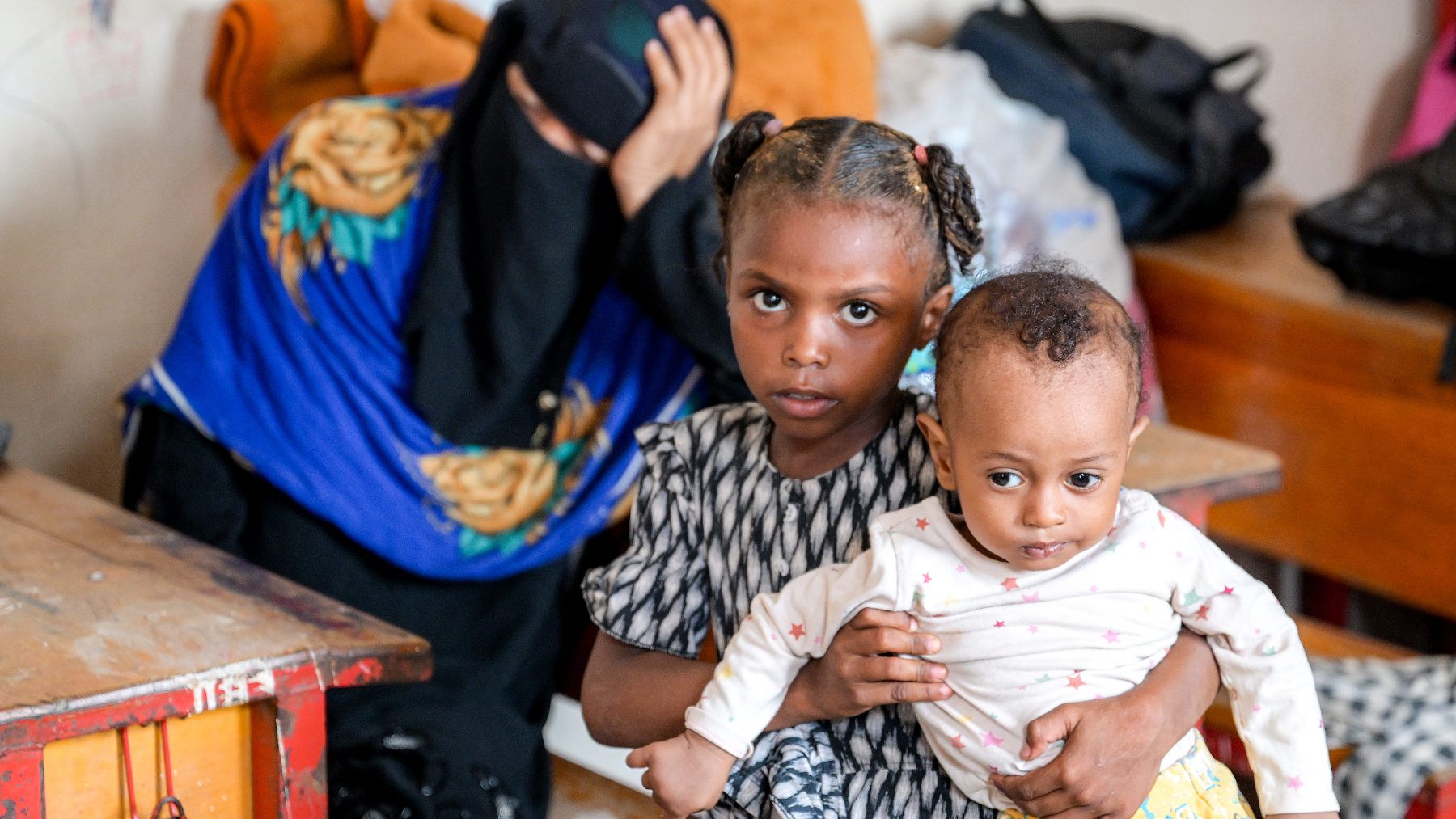
When heavy combat spilled into the rural community 30 kilometers outside Yemen’s Taiz city in early October 2026, mother-of-three Taghreed Abdulellah found herself trapped with no escape route: armed clashes had already engulfed every access point out of her village. With her husband away from home, she herded her 4-, 7-, and 10-year-old children into the narrow central hallway of their small home, the only space shielded from flying shrapnel and blast waves that could tear through unprotected windows. A massive detonation erupted just meters from their front door, sending the children into hours of hysterical, inconsolable screaming — a breakdown Abdulellah soon joined, as the pair of adults left in the home were equally powerless to shield their family from the violence unfolding outside.
This cycle of terror stretched on for four full days: whenever lulls in the fighting allowed a brief moment of calm, the children would quiet down, and visiting neighbors would stop by to offer small gestures of comfort to lift their shattered morale. But every new surge of gunfire and shelling sent the youngsters back into panicked tears, until the frontline finally shifted far enough from their neighborhood to halt the immediate threat. Though the physical danger of that four-day siege has passed, Abdulellah’s children have never returned to their former selves. Where they once slept peacefully in their own shared bedroom, the three now refuse to sleep alone, crowding into their mother’s bed every night with the two youngest curled tight in her arms. Nightmares jolt them awake screaming on a nightly basis, and during daylight hours they refuse to step foot outside their home, convinced that venturing past their front door will lead to injury or sudden death. The two younger children now suffer from persistent bedwetting, and her 10-year-old, who once dreamed of his schoolwork and future career, now rants constantly about the certainty that he will be killed at any moment.
Across the entire Taiz governorate, all public schools have been fully shuttered since 4 October 2026, as shelling and repeated Saudi-led coalition airstrikes targeting Houthi (Ansar Allah) positions have left nearly every district in the governorate too dangerous for children to commute to classes, or even play outdoors. Abdulellah says she understands the risks of letting her children leave the house, but grieves that their self-imposed isolation is preventing them from processing their trauma and returning to any semblance of normal childhood.
Abdulellah’s family is far from a unique case. Thirteen-year-old Odai, a seventh-grader living in central Taiz, once filled his days with school lessons and after-school games with neighborhood friends. Since the 4 October Houthi offensive that seized most of Taiz governorate and cut all major supply roads leading into Taiz city, he spends nearly all his waking hours scrolling through graphic footage of war casualties on his mobile phone, and only rarely ventures outside to sit briefly under a nearby tree with older neighbors and a small group of friends. The graphic photos of dead and injured children, paired with stories from adults recounting the 2015 wave of fighting that killed dozens of local civilians, have completely reshaped his worldview. Where he once prioritized his school grades and future plans, he now openly tells his father that studying feels meaningless, because there is no guarantee he will live long enough for schools to reopen. His father, a 50-something local resident who asked to remain anonymous, says the family does everything they can to limit Odai’s exposure to violence, but cannot fully control what he sees online or hears from other children in the neighborhood. He notes that even grown adults struggle to process the constant threat of sudden death, and has called on local authorities and humanitarian groups to prioritize psychological support for children, rather than focusing exclusively on physical safety and food aid.
Official data underscores the scale of the crisis. Between August and late October 2026, renewed clashes between Yemeni government forces and Houthi fighters killed 1,677 people and injured more than 7,395 across the country, according to World Health Organization figures. Local monitoring group the Taiz Human Rights Centre recorded 19 child fatalities and 49 child injuries in Taiz governorate alone during the month of October. The organization’s executive director Mazen Aqlan estimates that more than 100,000 children across Taiz have been directly exposed to explosions, shelling, and wartime atrocities, all of whom require urgent specialized psychosocial care. Prior to this latest military escalation, UNICEF had already recorded more than 57,000 child displacements across Yemen in a two-week period in mid-September 2026, with 12.2 million children nationwide in need of some form of humanitarian assistance.
Local psychologists confirm that the recent surge in violence has triggered widespread, visible behavioral trauma across Taiz’s child population: symptoms include unprovoked anger, social withdrawal, persistent fear, bedwetting, extreme clinginess to caregivers, and total loss of motivation to pursue education, as children become convinced they will never live to adulthood. Despite the overwhelming scale of need, the available support is drastically insufficient: local authorities report that humanitarian groups operating in Taiz have only provided formal psychosocial support to 719 children, with just 219 receiving targeted psychological first aid sessions. Many families living in rural areas like Abdulellah’s have no access to any mental health services at all, as most clinics offering such support are concentrated in central Taiz city, which remains surrounded by active frontlines. Local mental health practitioners warn that the failure to address this widespread, untreated childhood trauma now will create generational harm for Yemen’s next population, even if active fighting ceases in the near future.
‘Death is closer than school’: Yemen’s children struggle with war trauma