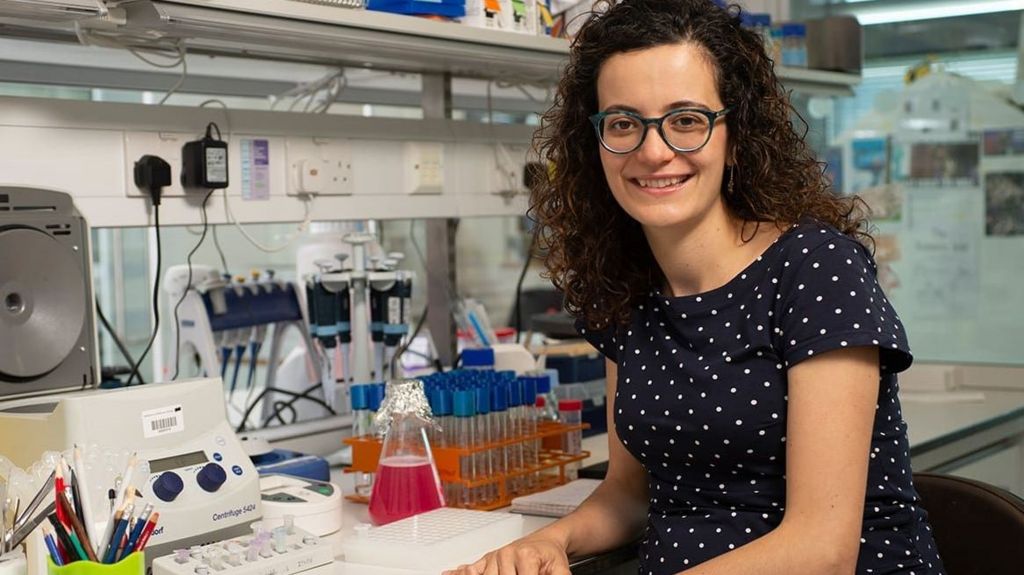
A trailblazing University of Cambridge researcher renowned for her groundbreaking work on early human embryonic development has lost her life in one of Europe’s deadliest modern rail disasters, as she traveled to her native Spain to accept a prestigious national scientific award. Dr. Marta Shahbazi, an affiliate associate professor and group leader at the UK’s Medical Research Council (MRC) Laboratory of Molecular Biology (LMB) on the Cambridge Biomedical Campus, was aboard a Renfe high-speed train that collided with a stationary Iryo-operated passenger service near the town of Urda, south of Madrid, last Wednesday. The catastrophic collision claimed 69 lives and injured dozens more, prompting the Spanish government to declare three full days of national mourning across the country.
A mother of two young children, Dr. Shahbazi was widely celebrated in the global cell biology community for her rigorous research illuminating the earliest stages of human embryo formation, and identifying the cellular errors that lead to recurrent failed pregnancies. She was selected to receive a top honor from the Spanish Society for Developmental Biology in recognition of her transformative contributions to the field, and was scheduled to accept the award at an upcoming conference in the Andalusian coastal town of El Rompido.
Dr. Shahbazi joined the MRC LMB in 2020 after completing a postdoctoral fellowship at the University of Cambridge, and also served as an affiliate principal investigator at the university’s Stem Cell Institute (CSCI). A vocal advocate for working parent researchers, she openly coined and embraced the term “mother scientist” to describe her experience balancing a demanding, award-winning research career with raising her family, earning her a reputation as a beloved, relatable role model for early-career women in STEM.
Leadership at both institutions released public tributes honoring her legacy in the days following the crash. The MRC LMB described her sudden passing as “a profound shock and a huge loss” for its entire research community, highlighting her infectious passion, sharp scientific creativity, and generous collaborative spirit. CSCI director Prof Bertie Gottgens echoed those sentiments, noting that Shahbazi’s pioneering work had redefined global understanding of early human developmental processes, and that her mentorship would be deeply missed by students and peers alike. Confirmation of her death first circulated publicly via a social media statement from the CiMUS research center in Santiago de Compostela, where her aunt is employed.
Prior to launching her independent research group in Cambridge, Dr. Shahbazi completed her doctoral studies at Spain’s National Cancer Research Centre. The fatal rail incident, which saw more than 540 total passengers aboard the two colliding trains, marks the worst train crash recorded in Spain since 2013, and ranks among the deadliest European rail accidents of the 21st century.