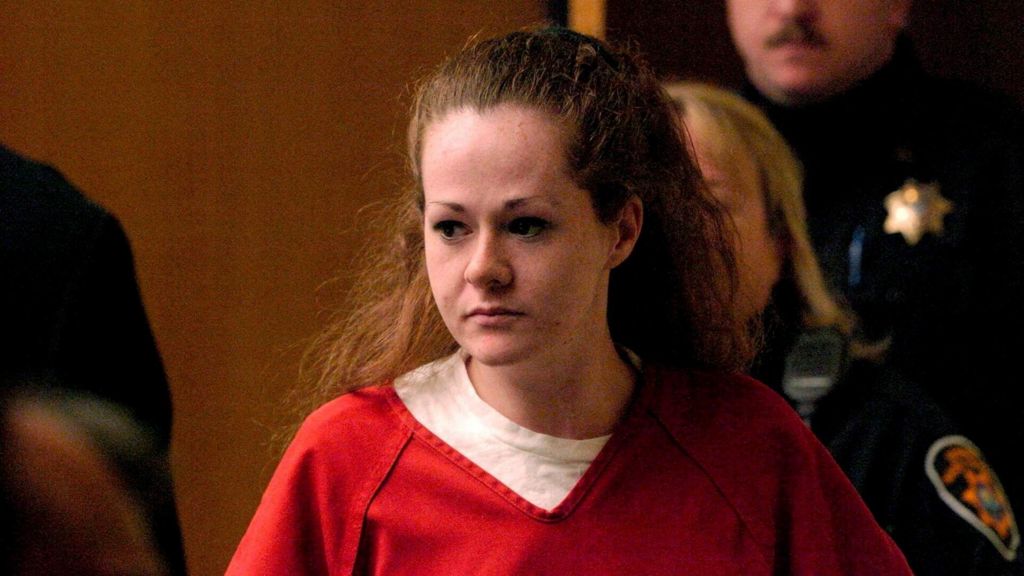
Nearly one month after a profoundly botched execution attempt left Tennessee death row inmate Christa Pike alive following two separate administrations of the lethal injection drug pentobarbital, the 50-year-old has shared her first public account of the devastating, lasting harm she sustained, in a statement released via her legal team’s official social media channels on Friday. “There hasn’t been a moment since that night when I haven’t been in pain,” Pike recounted, describing cascading physical symptoms that range from full-body aches, severe tenderness in her arms and hands, persistent throat discomfort, and ongoing struggles to speak clearly, paired with unshakable psychological and spiritual distress that extends far beyond her physical injuries. Pike, who was transferred back to the maximum-security facility where she has served 30 years of a death sentence for the 1995 murder of 19-year-old Colleen Slemmer, was discharged from a local hospital only at the end of October, after weeks of critical care for complications including post-procedure pneumonia, extreme upper-arm swelling, and impaired swallowing function that her legal team documented in post-execution filings. She is widely recognized as the only person in U.S. recorded history to survive a formal lethal injection execution attempt. In her statement, Pike acknowledged slow, incremental gains in her physical strength, but emphasized that partial recovery does not erase the irreversible harm inflicted by the failed procedure: “I am recovering, and I know that I am getting stronger. But healing is not the same as being okay.” The 1995 crime that led to her sentence took place at a state-run job training program for low-income young adults, where 18-year-old Pike and her then-minor boyfriend Tadaryl Shipp lured 19-year-old peer Colleen Slemmer to a remote wooded area, where they beat, tortured, and ultimately killed her. Shipp, who was not legally an adult at the time of the offense, was spared a death sentence and remains incarcerated to this day. Pike, who made global headlines in September when the execution attempt collapsed, noted that she had never envisioned a future beyond the scheduled execution date, and condemned the systemic failures that left her and all involved parties grappling with an unprecedented, traumatic outcome: “I’m deeply hurt by the incompetence that has put so many people in this terrible position.” In the wake of the widely publicized botched procedure, Tennessee Governor Bill Lee issued an executive order pausing all scheduled executions for the remainder of 2024, and launched a fully independent third-party investigation to identify the exact procedural failures that prevented the lethal injection from being completed. When questioned by reporters this week about the possibility of a second execution attempt against Pike, Lee stated that her original death sentence would remain in effect unless a court issues a formal ruling modifying it. Pike made history as the first woman slated for execution in Tennessee in more than 200 years, after decades of appeals from her legal team failed to secure a commutation of her sentence in the lead-up to the September procedure; both the U.S. Supreme Court and Governor Lee declined last-minute requests to delay or block the execution from moving forward. To date, the Tennessee Department of Correction has not released any public explanation for why the dual pentobarbital administrations failed to kill Pike, though agency representatives have publicly defended the lethal injection protocol used during the attempt, and declined to offer any comment on Pike’s newly released statement when contacted by BBC journalists.
US inmate Christa Pike says she woke up ‘confused and in pain’ after failed execution