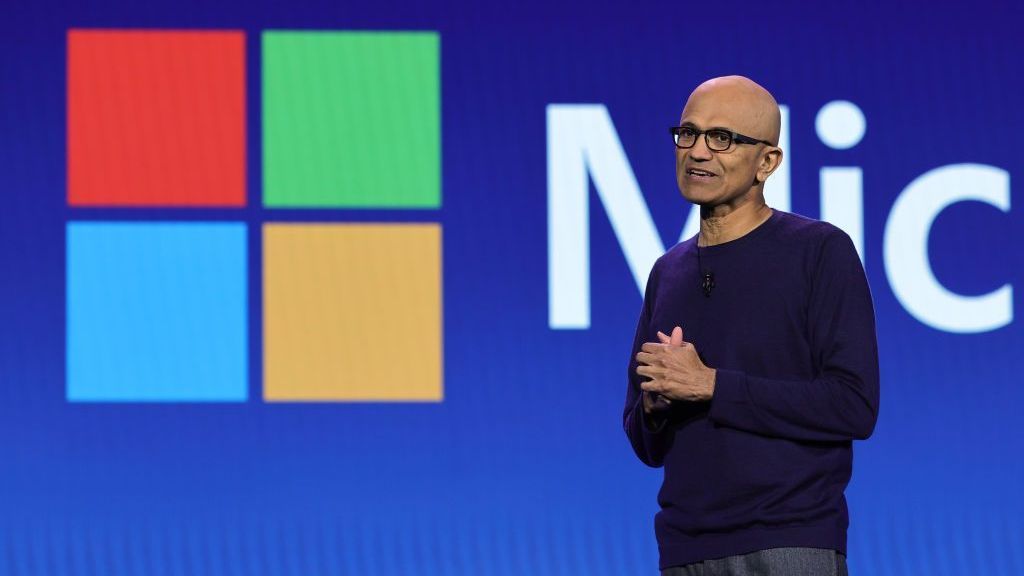
Global technology behemoth Microsoft has unveiled blowout quarterly financial results for the fiscal period ending September 30, posting a net profit exceeding $36.6 billion, a milestone that comes just days after the firm announced a targeted voluntary separation program for roughly 60,000 employees as part of a broader cost realignment strategy to free up capital for its aggressive artificial intelligence expansion. Announced earlier this week, the voluntary buyout scheme is extended to eligible staff across core markets including the U.S., UK, Canada, and India, designed to right-size the 220,000-person global workforce to align with evolving operational priorities, while departing employees will receive severance packages and dedicated career transition support. Driven by explosive 30% year-over-year growth in its Microsoft Cloud enterprise services portfolio, the company’s total quarterly revenue hit $92.3 billion, marking a 19% uplift from the same 12-month period prior. Following the earnings announcement, Microsoft’s stock climbed nearly 2.9% in New York after-hours trading, a sharp contrast to peer Alphabet, which saw its share price plummet 9.75% the same day after reporting a 25% year-over-year drop in quarterly net profit that left investors underwhelmed despite its own ongoing heavy AI spending commitments. Chief Executive Officer Satya Nadella emphasized that the company’s ongoing AI development roadmap has driven widespread cross-industry adoption of the technology, delivering tangible, real-world value for enterprise and consumer users alike. While the strong results beat market analyst expectations, Microsoft openly acknowledged lingering financial risks tied to the massive, multi-billion-dollar ongoing investments in AI infrastructure, including specialized semiconductors and new data center capacity. The earnings update arrives amid a broader industry trend where top-tier tech giants including Amazon, Meta, and Alphabet are on track to collectively pour more than $700 billion this year into AI-related hardware and infrastructure, a spending spree that has left investors closely scrutinizing long-term return on investment prospects to assess whether the unprecedented capital outlay is sustainable over coming quarters.