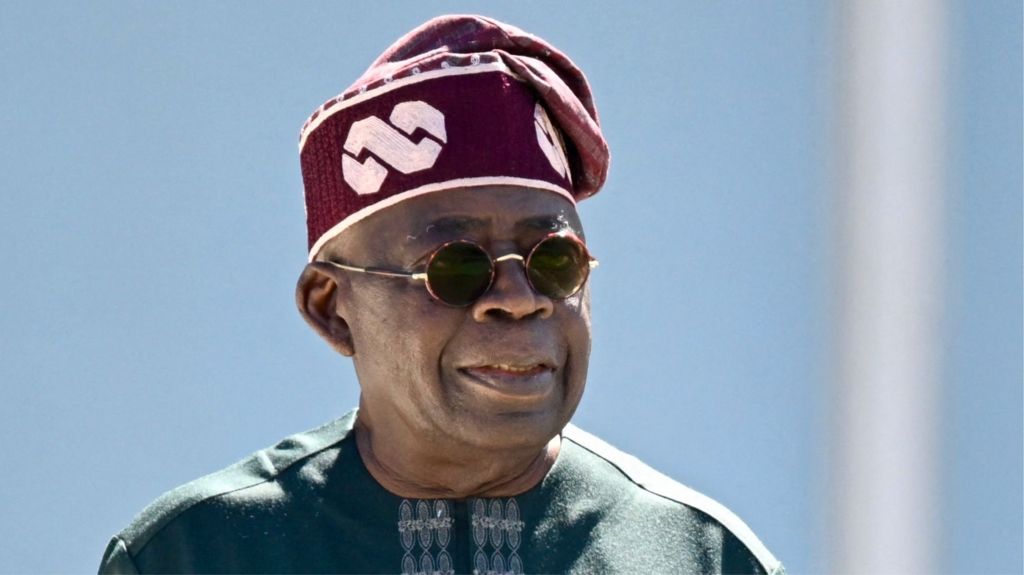
Fresh off the official launch of his ruling All Progressives Congress (APC) party’s 2027 re-election campaign last weekend, Nigerian President Bola Ahmed Tinubu has departed for the holy Saudi Arabian city of Mecca to undertake the Umrah, the lesser Islamic pilgrimage, his office confirmed this week. The 74-year-old southern Nigerian Muslim’s trip is framed as a deliberate period of spiritual devotion and supplication for Africa’s most populous nation, according to a formal statement from presidential spokesman Bayo Onanuga. Onanuga noted that the visit will grant Tinubu dedicated time for quiet reflection, as he performs the full set of Umrah religious rites to seek divine guidance, blessings for Nigeria’s 220 million citizens, and continued peace, unity, stability and shared national progress. This marks Tinubu’s second Umrah journey in recent years: he previously completed the pilgrimage in 2022, in the lead-up to his successful APC presidential primary and general election campaign. The timing of the trip, coming just days after the high-profile campaign kickoff, has spurred unsubstantiated social media speculation that Tinubu was travelling to Saudi Arabia for undisclosed medical assessments, rumours that senior presidential media aide Olusegun Dada firmly rejected in a public post on X. Dada clarified that the pilgrimage’s core purpose is to lift up the nation in prayer, and to formally commit Tinubu’s second-term re-election bid to divine oversight as he launches what he calls “another critical political journey”. He also contextualised the trip as a longstanding, widely respected custom among Nigerian Muslim leaders before embarking on high-stakes national endeavours, a practice that resonates deeply with the Nigerian public: independent polling from the US-based Pew Research Center shows over 90% of Nigerians identify religion as a very high priority in their daily lives, placing the nation among the most religiously engaged populations globally. Nigeria’s population is almost evenly split between Muslim and Christian communities, with a small minority adhering to traditional indigenous belief systems. The upcoming 16 January 2027 general election will see Tinubu face off against two familiar major opponents: former Vice-President Atiku Abubakar and ex-Anambra State Governor Peter Obi, both of whom ran against him in the 2023 presidential contest. As official campaigning ramps up, two sets of national challenges have emerged as top voter priorities: Nigeria’s prolonged economic headwinds, and a sprawling array of interconnected security crises that include a long-running Islamist insurgency in the northeast, rampant kidnapping and looting by armed criminal gangs labelled locally as “bandits”, intercommunal land conflict, and separatist unrest in the country’s southeast. The recent online speculation around Tinubu’s health first erupted after a short clip circulated virally across Nigerian social platforms over the campaign launch weekend, appearing to show First Lady Oluremi Tinubu placing a small unidentified item into the president’s mouth during the official event, an incident that has not received any formal public comment from the presidency to date.