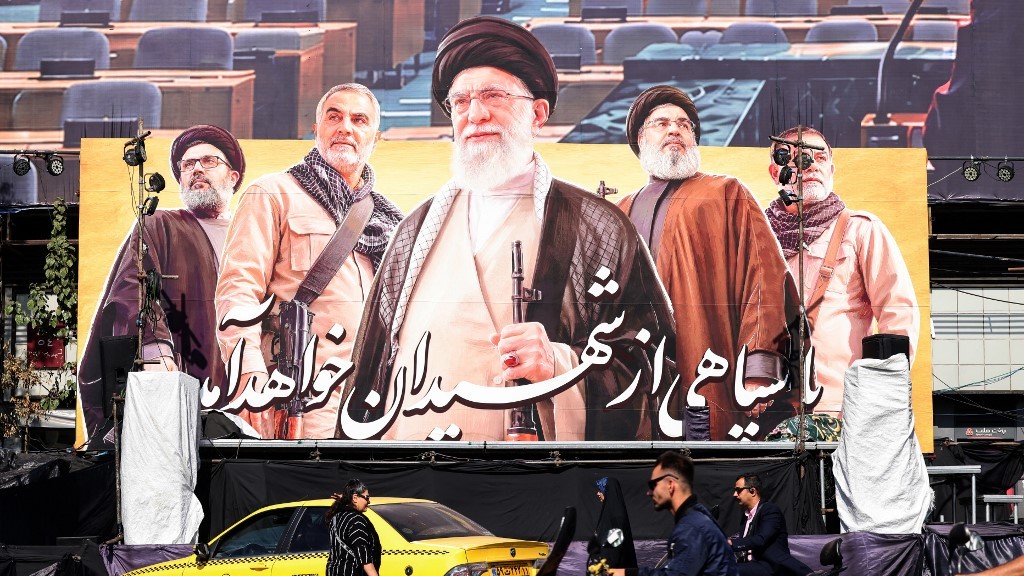
In a firm diplomatic pushback, Iranian authorities have formally turned down a Qatar-mediated draft ceasefire framework designed to bring an end to the eight-month U.S.-led military campaign targeting the Islamic Republic, dismissing the proposal as entirely non-negotiable. The Gulf state of Qatar, which has long acted as a neutral intermediary in regional geopolitical disputes, shared the full text of the proposed deal with Iranian negotiating teams during a meeting held last Sunday. A high-ranking Iranian official confirmed to Reuters on Wednesday that the submitted draft contained terms Tehran could not endorse, emphasizing that the country would refuse to make any concessions on its civilian nuclear program. U.S. Vice President JD Vance had laid out a precondition earlier this month that Iran must scale down its uranium enrichment activities as a prerequisite for halting the ongoing conflict, a demand that runs counter to Tehran’s longstanding public position that its entire nuclear infrastructure is dedicated exclusively to peaceful domestic energy and medical purposes. These behind-the-scenes diplomatic efforts are unfolding against a backdrop of widespread international alarm that the United States and Israel could imminently launch a new wave of large-scale military strikes on Iranian territory. The prospect of renewed hostilities has been amplified by Israeli Prime Minister Benjamin Netanyahu, who has leaned into tough anti-Iran rhetoric as a central campaign plank in his bid to secure a new term in Israel’s parliamentary elections. With 77 percent of all ballots tallied, Netanyahu’s right-wing electoral bloc has emerged as the largest faction in the new Knesset, positioning him to lead incoming government coalition negotiations. On Wednesday, as formal coalition talks were set to kick off, Netanyahu publicly pledged to collaborate closely with U.S. President Donald Trump to neutralize what he describes as the “existential threat” posed by Iran. Even Netanyahu’s leading electoral rival, former military chief Gadi Eisenkot, has voiced support for coordinated targeted strikes against Iran paired with sweeping economic sanctions against the country. The ongoing U.S.-Israeli military campaign against Iran, which first broke out in February, has already triggered cascading disruptions across the global economic system, driving sharp, sustained spikes in international energy prices. Iranian Foreign Minister Abbas Araghchi issued a stark warning on Wednesday that any unprovoked Israeli military operation in the Persian Gulf region would trigger catastrophic ripple effects for global commodity and financial markets. In a public post on social media platform X, Araghchi stated, “The devastating impact on international markets of any Israel-instigated military misadventure in the Persian Gulf region remains a major concern for both gas suppliers and consumers across the world.” The risk of wider regional chaos is further compounded by the ongoing, intensifying armed conflict between Saudi Arabia and the Iran-aligned Houthi movement in Yemen. On Wednesday, Houthi leadership, formally known as Ansar Allah, issued an urgent public call for all personnel at Aden International Airport, the seat of the Saudi-backed internationally recognized Yemeni government in the country’s south, to evacuate the facility immediately. Houthi military spokesperson Yahya Saree announced in a post on X that the evacuation order was issued after intelligence confirmed a Saudi military cargo plane loaded with weapons destined to kill Yemeni civilians was stationed at the airport. Cross-conflict military sources confirmed to AFP that nearly 100 fighters have been killed in clashes between Houthi forces and Saudi-aligned Yemeni combatants since the start of the week, with 63 of the fatalities belonging to the Houthi movement and 34 aligned with the internationally recognized government, almost all of whom lost their lives in combat near the strategically critical Bab al-Mandab Strait.