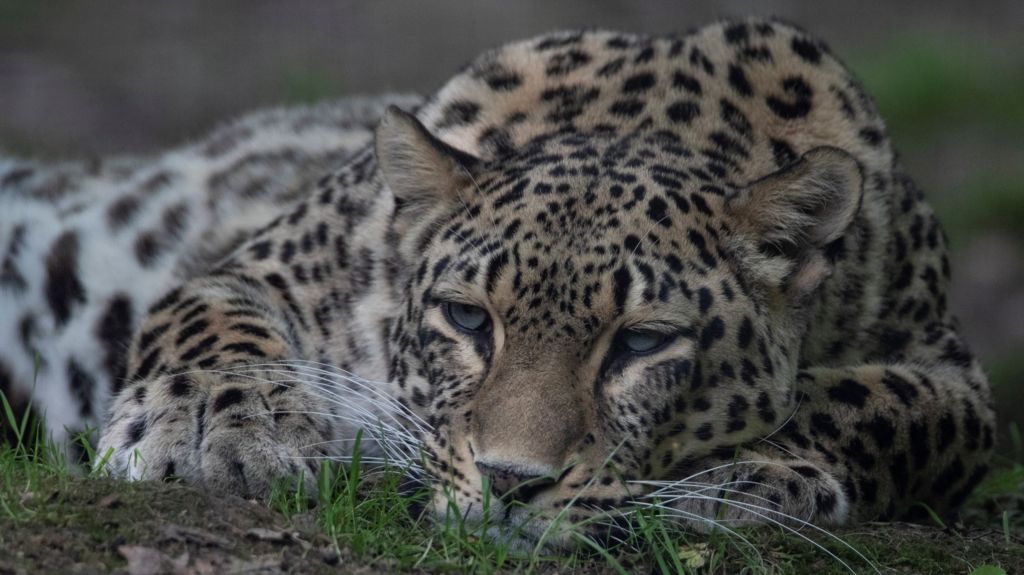
A long-serving zookeeper at a prominent Dutch wildlife attraction has succumbed to severe injuries just days after a violent encounter with two Persian leopards in a restricted indoor animal care facility, operators of the Beekse Bergen Safari Park in southern Netherlands officially confirmed this week. The dedicated staff member, who launched her career at the park at age 17 and accumulated 40 years of on-and-off experience caring for exotic wildlife, was attending to the big cats last Saturday when the unprovoked attack unfolded. The two leopards, which are normally housed in outdoor enclosures with zero unsupervised staff access, had been temporarily moved to the indoor care unit as a precaution against extreme adverse weather that hit the region that weekend. The keeper suffered critical lacerations and blunt force trauma to her head and neck during the incident, but despite her life-threatening condition, she was able to trigger an emergency alert to her team via her work walkie-talkie. First responders airlifted her to a nearby specialized medical center via trauma helicopter, where she underwent immediate emergency surgery to address her life-threatening wounds. Medical teams were unable to stabilize her condition, and park leadership announced her passing on Tuesday. In an official public statement, Beekse Bergen management expressed profound grief over the loss, noting that the entire park community has been shaken by the tragedy, and that immediate priority is being placed on providing specialized mental health support to the keeper’s grieving family and her fellow zoo colleagues. A full independent third-party investigation has been formally launched to piece together the exact sequence of events inside the indoor enclosure, which notably has no CCTV surveillance coverage to document the incident. Park spokespeople speaking to local regional broadcaster Omroep Brabant confirmed that the two Persian leopards exhibited only natural predatory behavior during the encounter, and that the big cats will not be euthanized as part of the park’s response, emphasizing that the animals’ inherent nature as wild predators is a core consideration in all safety protocols. Park leadership also announced plans to establish a dedicated public memorial space on the grounds, where both visiting guests and staff can gather to leave tributes, share condolences, and honor the decades of compassionate work the late keeper dedicated to the safari park’s animal welfare mission.