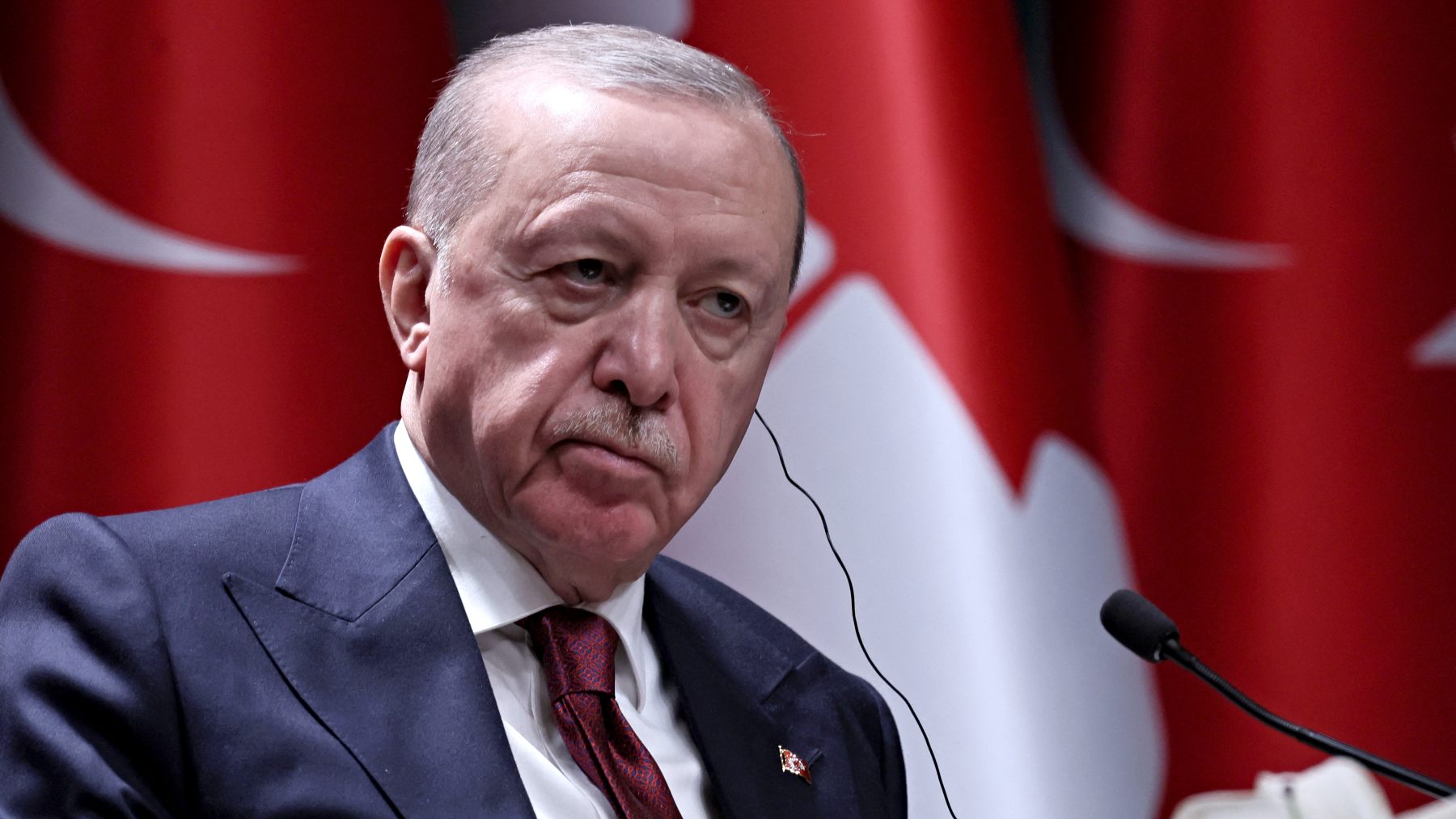
In a high-stakes diplomatic move aimed at mending recently strained bilateral relations with Azerbaijan, Turkish President Recep Tayyip Erdogan formally removed senior presidential chief adviser Oktay Saral from his post on Sunday, according to exclusive reporting from Middle East Eye. Saral personally confirmed his dismissal to MEE correspondents, issuing a measured statement noting, “I have absolute respect for the president’s decision,” in the immediate aftermath of the announcement. The ouster comes in direct response to formal demands from Baku, which had listed the removal of Saral as a key prerequisite for de-escalating a diplomatic crisis that has frayed decades of deep ethnic, cultural, religious, and historical solidarity between the two regional allies. The root of the recent tensions traces back to a controversial policy rolled out by Azerbaijani authorities last month, which implemented a formal ban on headscarves for students across all primary and secondary education institutions. The decision sparked widespread public outcry across Turkey, with ordinary citizens, public figures, and political figures publicly condemning Baku’s move. Saral added his voice to the criticism on his official social media channels shortly after the ban was announced, directly calling on Azerbaijani leadership to reverse the divisive policy. Those public remarks drew a sharp, formal rebuke earlier this month from Azerbaijan’s ruling New Azerbaijan Party, which publicly accused Ankara of exhibiting unwelcome hegemonic tendencies across the Islamic world, a rare public condemnation between the traditionally allied nations. The diplomatic rift created significant uncertainty for Ankara’s long-planned Organisation of Turkic States summit, scheduled to launch later this week on Turkish soil. For weeks, Turkish diplomatic teams have worked to persuade Azerbaijani President Ilham Aliyev to attend the high-level gathering, a key priority for Erdogan’s administration to advance cross-regional cooperation among Turkic nations. Readouts released separately by Ankara and Baku following a Thursday phone call between Erdogan and Aliyev only confirmed that Erdogan had extended a formal invitation for Aliyev to attend, with neither side offering any clarity on whether the Azerbaijani leader planned to make the trip. Senior Turkish officials privately expressed growing concern that Aliyev, deeply angered by the wave of Turkish public protests and critical commentary targeting his government’s headscarf policy, would choose to skip the summit entirely. As MEE exclusively reported last week, Baku had submitted two explicit demands to Turkish authorities to resolve the impasse: the dismissal of Saral, and the launch of legal proceedings against Turkish social media users who had posted content deemed insulting to President Aliyev. A well-placed Azerbaijani source with direct knowledge of the negotiations told MEE that Saral’s removal immediately shifted the calculus for Aliyev’s attendance: “Saral’s ouster would encourage Aliyev to participate in the Turkic states summit. Before this decision, the likelihood was less than fifty percent.” Prior to Sunday’s dismissal, earlier Turkish diplomatic efforts to defuse the tensions had yielded little progress, including a recent trip to Baku by Turkish Foreign Minister Hakan Fidan that was met with a flood of hostile, critical coverage across Azerbaijani state and independent media.
Erdogan sacks adviser amid efforts to repair ties with Azerbaijan over headscarf row