In the wake of a recent arrest of a Ukrainian national suspected of conducting espionage on behalf of Russia, German Chancellor Friedrich Merz has issued a stark warning that hostile intelligence operations from Moscow continue to operate at a persistent, high level across German territory. The arrest marks the latest in a string of apparent foreign spying cases uncovered in Germany so far this year, as the country remains a top European military backer of Ukraine amid Russia’s full-scale invasion that began in 2022.
According to Germany’s Federal Prosecutor General’s Office, the suspect, identified only as Vadym Y. under German privacy regulations, has been in communication with Russian intelligence services via an intermediary since at least July 2025. Prosecutors allege the suspect gathered sensitive information focused on German production of armored vehicles, ammunition, and explosive materials — all critical categories of military support that Berlin has provided to Kyiv throughout the ongoing conflict. The suspect is scheduled to appear before an investigating judge on Friday to answer to the charges.
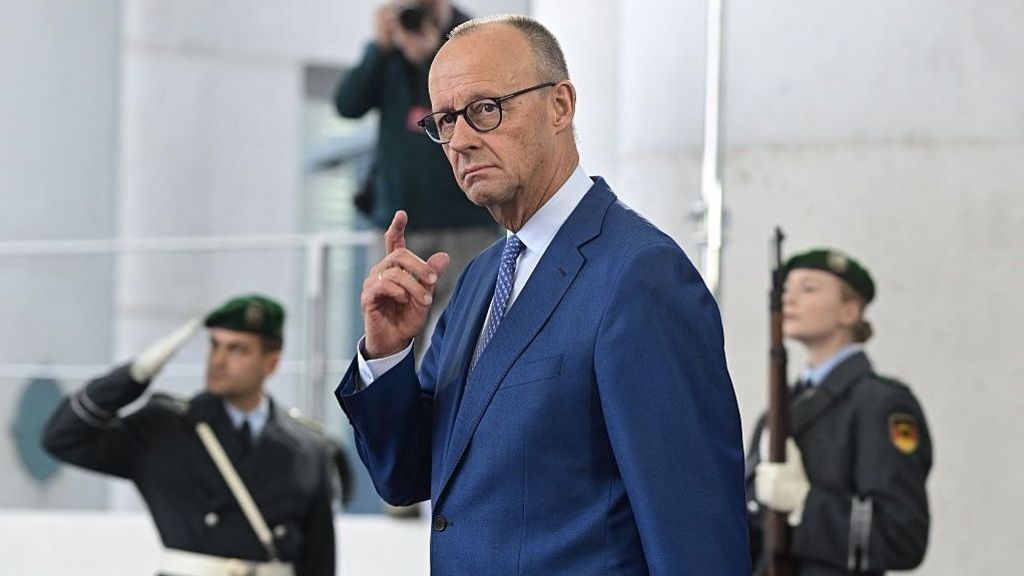
Merz characterized the successful exposure of this new operation as a victory for German security services, but cautioned against overconfidence in a statement delivered on the sidelines of a conference in Montenegro on Thursday. “Let us not delude ourselves — the activities of Russian intelligence services in Germany remain at a consistently high level,” the chancellor said, adding that more espionage cases are likely to emerge in the coming months and years.
This latest arrest is far from an isolated incident. In January 2025, German authorities detained a woman in Berlin on suspicion of collecting intelligence for a Russian embassy intelligence officer. Just weeks later, a Romanian woman and a second Ukrainian man were taken into custody, accused of spying on a private operator that supplies drones from Germany to Ukrainian forces. Most recently, earlier this month, former head of Germany’s Federal Intelligence Service (BND) August Hanning was arrested on charges of espionage, treason, and unauthorized procurement of classified information for an undisclosed foreign power. Hanning led the BND from 1998 to 2005, and had worked as a private security consultant following his retirement from government service. A second former BND employee, identified only as Manfred D, was also arrested in connection with the Hanning case, accused of selling roughly 2,000 classified documents to Hanning in exchange for financial compensation.
Tensions over Russian hostile activity in Germany have escalated sharply in recent months. Last September, German officials publicly accused Russia of launching an explosive-laden drone attack on Leipzig/Halle Airport, an allegation that Russian President Vladimir Putin dismissed as fabricated planted evidence.
Earlier this month, Merz reaffirmed Germany’s deep security and defense cooperation with UK Prime Minister Andy Burnham, with the two leaders agreeing to expand joint efforts to counter hybrid threats and hostile state activity targeting both nations. The ongoing wave of espionage arrests underscores the growing challenge European security agencies face as they work to disrupt foreign intelligence operations amid heightened geopolitical tensions linked to the war in Ukraine.