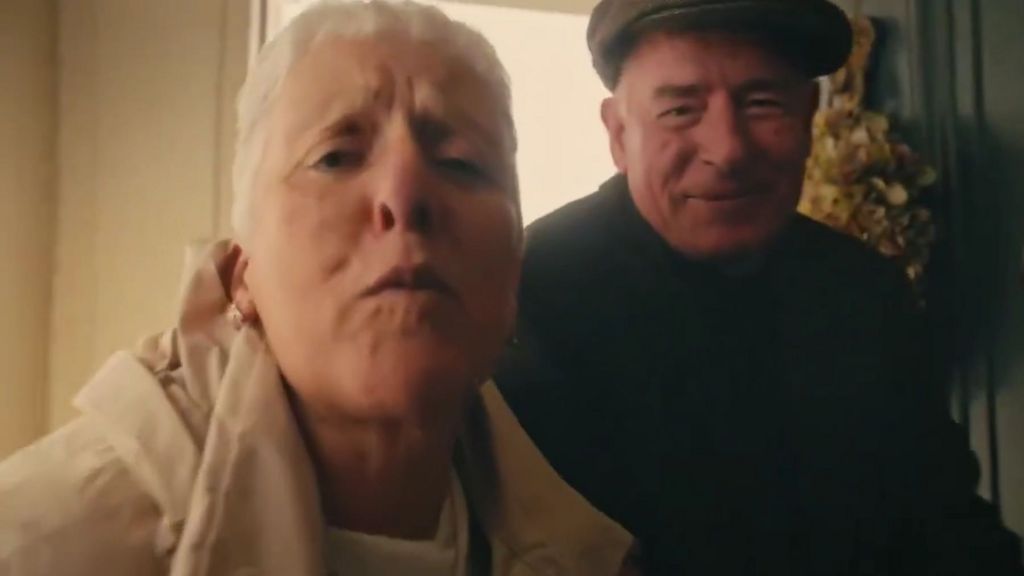
A public firestorm has erupted in Ireland over a short social media advertisement created by the Dublin Rape Crisis Centre (DRCC) for its national consent education campaign, prompting top government officials to condemn the spot as inappropriate and demand its removal. The 30-second ad, part of DRCC’s long-running “We-Consent” initiative, opens with two grandparents greeting their grandchildren after a long separation: the pair warmly embrace their grandson, who responds with visible joy. When the grandparents turn to hug their granddaughter, however, her body language shifts and she displays clear discomfort, pulling back from the interaction. The ad closes with the text overlay: “not everyone wants a hug. Even from the people who love them.”
The spot quickly went viral after being posted, drawing sharp criticism from across the political spectrum and earning international media attention from outlets including the New York Post. Ireland’s Justice Minister Jim O’Callaghan, whose government department provides funding for the We-Consent campaign, was among the first to publicly rebuke the DRCC over the creative choice. O’Callaghan, a member of the Fianna Fáil party, confirmed that the video was pulled from DRCC’s social media channels after his office engaged directly with the anti-violence organization.
“While it is vital to ensure that people understand the concept of consent when it comes to sexual relationships, this video did not advance that aim and in many ways was counterproductive,” O’Callaghan said in a public statement. “It was both inappropriate and demeaning to grandparents and has been removed by DRCC following my officials’ engagement with them. The video does not represent the views of the Government.”
Fine Gael Senator Gareth Scahill went further, calling the ad a waste of public funds and a gratuitous insult to Ireland’s older population. “What’s concerning here is public money has been used to fund an ad which at best has been ill-thought out, and at worst is offensive and potentially damaging to our older population,” Scahill said. He argued that the ad’s framing undermined the important work that rape crisis organizations do to support survivors of sexual violence, joking sarcastically: “What’s next? Will we need to sign consent forms at arrival halls in Dublin, Shannon, Knock and Cork airports this Christmas before we can greet family members?”
In its own statement to Irish national broadcaster RTÉ, the DRCC defended the core goal of the ad while agreeing to take it down for internal review. The organization noted that We-Consent is a long-standing prevention project designed to build public understanding of consent across all types of relationships in Ireland, and the three ads created for the latest phase of the campaign were rooted in the principle that teaching boundary respect needs to start in childhood.
“We created three videos premised on the idea that boundaries should be respected from an early age and to respect others’ boundaries too,” the DRCC statement read. “We are going to remove the videos from our social media channels while we reflect on whether they are having the positive effect we want them to have.”
A spokesperson for the Department of Justice clarified that while the department provides funding for the We-Consent program, the controversial ad was produced at low cost by DRCC using volunteers and was never an official government advertising campaign. The DRCC’s We-Consent initiative also counts funding and support from the Department of Children, Equality, Disability, Integration and Youth, and CUAN, the Domestic, Sexual and Gender-Based Violence Agency. All three organizations have been approached for additional comment on the controversy.