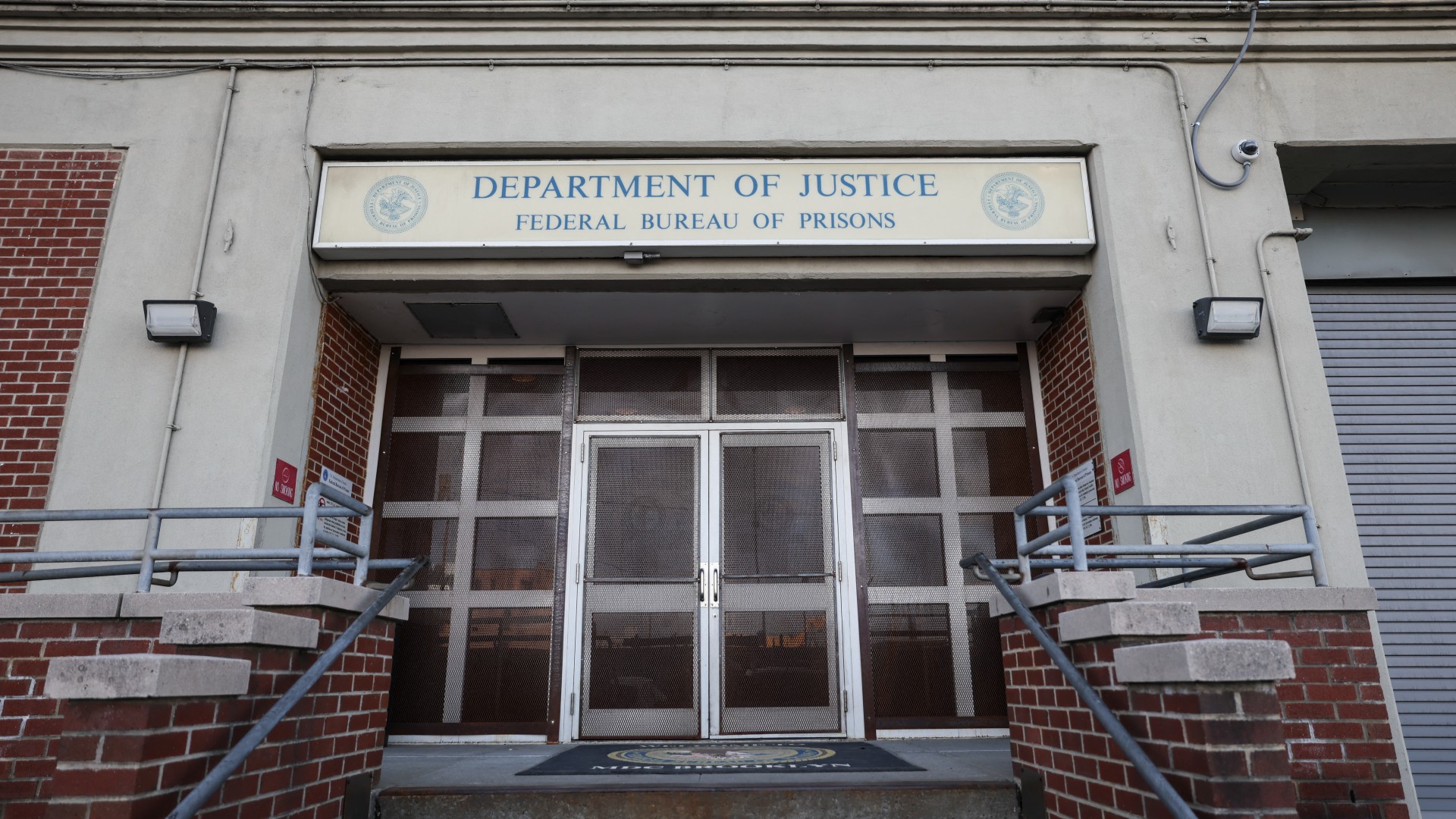
A 35-year-old Hasidic religious worker from Israel, Yehonatan Ovadia, is currently detained at New York City’s Metropolitan Detention Center and at risk of deportation back to his home country—penalties his legal team say are rooted solely in his participation in peaceful pro-Palestinian advocacy, marking the latest case in a sweeping Trump administration crackdown on dissenting speech regarding Israel’s actions in Gaza.
Ovadia first entered the United States in 2022 on a temporary religious work visa, and successfully re-entered the country in April 2024 under a visa set to expire in November 2025, U.S. Department of Homeland Security (DHS) confirmed to Middle East Eye. When Ovadia’s congregation applied to extend his worker status, U.S. Citizenship and Immigration Services (USCIS) initially granted an extension through 2028—only to reverse the decision days later in a discretionary denial.
The reasoning for the reversal was explicitly tied to a 2023 pro-Palestinian demonstration Ovadia joined in Ramapo, New York, USCIS informed his legal team. Anonymous community sources report that Ovadia was hit with multiple hate crime-linked charges after an Israeli flag was torn down at the protest. While Ovadia has openly acknowledged he attended the demonstration and drove participants to the site, he denies any involvement in removing the flag. Prosecutors ultimately dropped all charges against him, leaving him with no criminal convictions on record.
Ovadia’s lawyers argue that the flag at the center of the incident was likely displayed illegally, and emphasize that an immigration judge has already ruled Ovadia poses no public safety risk. They characterize his ongoing detention as unlawful, noting that U.S. Immigration and Customs Enforcement (ICE) has repeatedly used the same punitive framework against pro-Palestinian protesters across the nation, and has now applied it to a serving Hasidic religious worker.
DHS confirmed that ICE took Ovadia into custody in August. A department spokesperson defended the action, claiming the administration acted within its legal authority to detain non-citizens who “advocate for violence, glorifies and supports terrorists, harasses Jews, and steals property.”
Ovadia’s legal team rejects this characterization and calls the administration’s actions unlawful. “This is a peaceful protest being dressed up as a crime to punish speech the (Trump) administration doesn’t like,” a legal representative stated. “Federal judges have called out DHS and ICE again and again for breaking the law. We are calling them out now, and we trust that a judge in this case will too. Justice is coming.”
Beyond the legal battle, Ovadia’s detention has inflicted severe hardship on his family. A husband and father of children, Ovadia was the sole breadwinner for his household before his arrest, and community members recently launched a fundraiser to cover two months of back rent the family could not pay. Court documents dated October 1 also outline troubling conditions of Ovadia’s detention: he reports losing at least 25 pounds since being taken into custody, and multiple critical religious accommodation requests have been denied. According to the filings, when Ovadia requested adjustments to accommodate his religious practices, facility staff responded, “you’re not special.” During the recent high holy holiday of Yom Kippur, Ovadia did not receive the correct religious texts for prayer and was denied a dedicated appropriate space for worship.
Ovadia’s case is not an isolated incident. It is part of a broader pattern of targeting by the Trump administration, which has publicly pledged to purge anti-Israel rhetoric from public discourse among non-citizens. In recent months, pro-Palestinian protesters, scholars, activists, and journalists have faced arrest, detention, or loss of access over the administration’s expanding free speech restrictions.
High-profile prior cases include Badr Khan Suri, a Georgetown University scholar and legal U.S. resident married to an American citizen, who was detained by ICE in March 2025 on orders from Secretary of State Marco Rubio over claims he “spread Hamas propaganda and promoted antisemitism on social media.” He was released two months after his arrest. Palestinian activist Leqaa Kordia was arrested outside Columbia University for participating in pro-Palestinian protests and spent more than a year in ICE detention. Green Card holder Mahmoud Khalil, another Palestinian activist married to a U.S. citizen, was detained for over 100 days for his involvement in Columbia’s pro-Palestinian campus encampments.
The crackdown has also extended to press freedom: last month, CNN, MS Now, and Politico were banned from White House access after President Donald Trump criticized their coverage, though a federal judge ordered their press credentials restored just days later. Critics of the administration argue these interconnected cases reflect a deliberate campaign to suppress free speech and press freedom, particularly for voices that criticize Israel’s military campaign in Gaza.