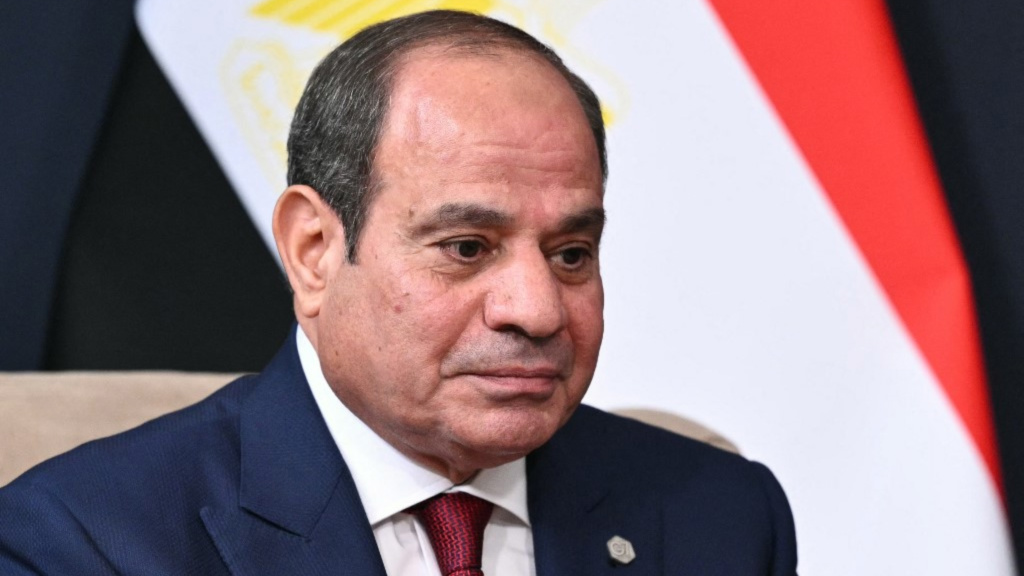
In a public address to graduating cadets at Cairo’s Egyptian Military Academy on Saturday, 71-year-old Egyptian President Abdel Fattah el-Sisi has publicly closed the door to any speculation about extending his rule beyond 2030, stating that the timeline for the end of his current presidential term is final and will not be revisited. During the remarks, Sisi also emphasized that Egypt’s existing constitution will remain untouched, rejecting any potential amendments that could alter the current term limits structure. Sisi is currently serving a six-year term that is scheduled to conclude in 2030. “The year 2030 will mark the end of my presidential term. This matter is completely settled,” Sisi told the gathered crowd, adding that he would not step away from guiding the Egyptian state until it is fully led by a new generation of domestic leaders capable of bearing the burden of governance. He also used the platform to highlight the military academy’s role in cultivating this next wave of national leadership for the country.
Sisi first rose to national power in 2013, when he led a military coup that ousted Egypt’s first democratically elected president, Mohamed Morsi. His nearly 11 years in office have drawn consistent international criticism from global human rights organizations, which document widespread crackdowns on political opposition and dissent. Rights groups estimate that more than 60,000 prisoners of conscience are currently detained in Egyptian correctional facilities, a population that includes over 1,000 women. Multiple high-profile detainees, including Morsi himself and a number of prominent opposition politicians, have died in custody due to inadequate medical care and inhumane prison conditions, rights groups have confirmed.
Sisi’s announcement comes as the North African nation navigates a period of heightened geopolitical turbulence across the broader Middle East and Horn of Africa region. Just last week, Egyptian Foreign Minister reaffirmed Cairo’s unwavering support for Saudi Arabia in its long-running military conflict with Yemen’s Houthi movement, stressing that Gulf regional security is inseparable from Egypt’s own national security interests, and that Cairo maintains full solidarity with Riyadh. Egypt is also currently engaged in a series of active military and diplomatic disputes across its borders: just days ago, an Egyptian air strike targeting what Cairo said were militant positions accidentally killed 72 civilian workers at a gold mining site located along the Egypt-Sudan border. In Sudan’s ongoing internal civil conflict, Egypt openly backs the Sudanese Armed Forces in their fight against the Rapid Support Forces, a paramilitary group backed by the United Arab Emirates.
One of Egypt’s most persistent high-stakes regional disputes is with Ethiopia, centered around two core points of tension: Cairo views Addis Ababa as a growing strategic rival for influence over Red Sea trade routes, and the two nations have been locked in a years-long deadlocked negotiation over the Grand Ethiopian Renaissance Dam, which Egypt says poses an existential threat to its access to Nile River water. In a recent show of coordinated opposition to Ethiopia, Egypt hosted a high-level strategic gathering attended by military and diplomatic representatives from Sudan, Somalia, and Eritrea to discuss joint coordination of military and intelligence activities in the event that open conflict breaks out between Ethiopia and Eritrea.