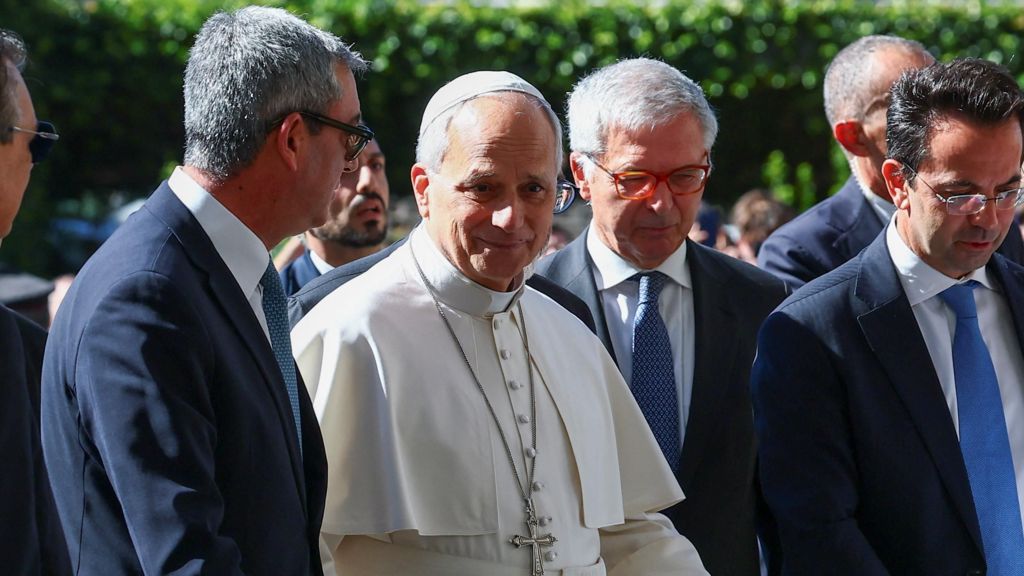
Just one day after undergoing a successful radical lung cancer surgery at Rome’s Gemelli Hospital, 71-year-old Pope Leo XIV is recovering on track, according to an official medical update released by the Vatican.
The approximately 90-minute procedure, carried out on Tuesday afternoon, removed the entire lower lobe of the pontiff’s right lung to fully eliminate the cancerous growth. Medical teams confirmed post-surgery pathology testing that the nodule discovered pre-operation was an early-stage lung adenocarcinoma, a common form of lung cancer, matching pre-operative diagnostic suspicions.
In their latest bulletin, the doctors reported that the Pope has already begun short walks, returned to a normal diet, and completed scheduled respiratory physiotherapy to aid recovery. Early Wednesday morning, blood work and a chest X-ray confirmed his body is healing normally, and the pontiff had a restful, uninterrupted night in his hospital room after waking smoothly from anesthesia following the operation.
Pope Leo had publicly announced his upcoming surgery during his weekly Sunday address to crowds in St. Peter’s Square days earlier, noting that clinicians had detected a small, contained lung nodule at an early stage and recommended its removal. The Vatican has emphasized that the Pope, who is generally in good health, experienced no symptoms of illness or infection prior to the procedure. Medical teams are currently conducting additional screening to rule out any spread of the cancer to other parts of the body, and the pontiff is expected to remain in the hospital for roughly one week of monitored recovery.
The news of the Pope’s lung cancer diagnosis has prompted widespread concern among global Catholic communities, many of whom still hold fresh memories of repeated hospital visits for Pope Francis, Leo’s predecessor who passed away last year. Pope Francis himself had part of a lung removed during his youth and later dealt with recurring respiratory issues.
Clinical context explains that lung adenocarcinomas form in mucus-producing lung cells, ranking among the most prevalent forms of lung cancer. Long-term outcomes for patients with this diagnosis depend heavily on the stage of the cancer at detection and the individual’s baseline health — outcomes have improved significantly in recent decades, and early detection, such as in the Pope’s case, is linked to far better prognoses.