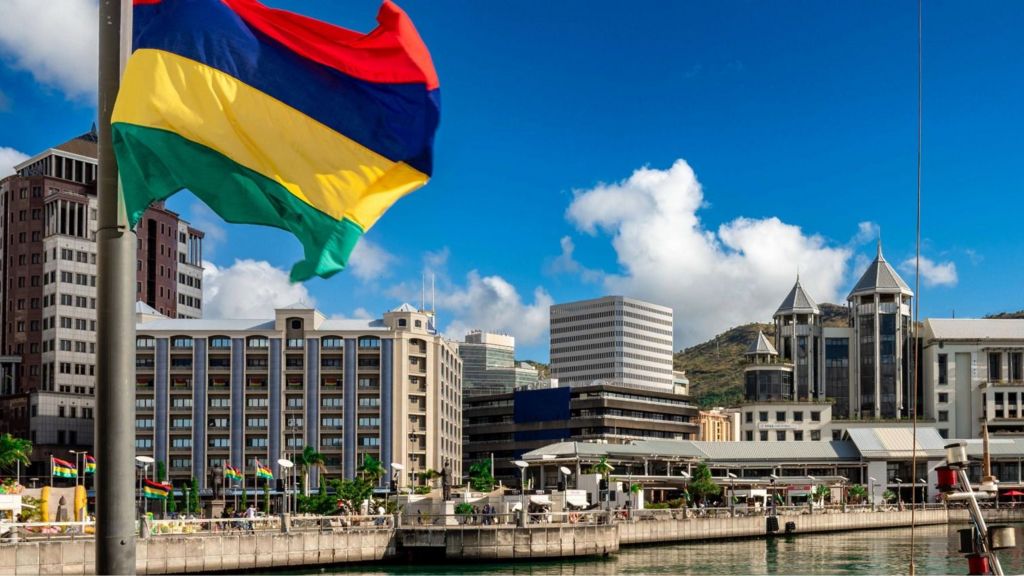
The Indian Ocean island nation of Mauritius, long renowned as a stable global tourism and financial services hub, is facing its most severe wave of civil unrest in nearly 25 years, prompting authorities to enact a strict overnight curfew to regain control of escalating violence. What began a week ago as peaceful demonstrations over persistent clean water shortages and soaring living costs erupted into widespread rioting this past Friday, after a female protester was shot and injured by police at a makeshift roadblock. Details of the shooting remain unconfirmed, but the involved officer has been taken into custody and remanded to prison as investigations proceed.
Prime Minister Navin Ramgoolam officially instituted the curfew on Tuesday, delivering a stern national address warning against actors he described as undermining the nation’s core interests. “Those who have carried out these actions will have to face the very heavy consequences warranted by their anti-patriotic acts,” Ramgoolam stated. As unrest escalated through the weekend, demonstrators set fire to tires, blocked major thoroughfares, and vandalized multiple police stations as well as other public infrastructure facilities. The spread of chaos forced local authorities to shutter all schools and suspend public transit operations, and diplomatic missions from multiple foreign nations have since issued public safety alerts advising their citizens to avoid affected areas and exercise heightened caution.
Law enforcement officials confirmed that despite the curfew, several isolated disruptive incidents were still reported overnight Monday into Tuesday, leading to a number of arrests. By Wednesday morning, however, police announced that vehicular traffic had resumed across the entire island, and urged residents to return to their regular daily routines.
Zöe McCathie, an analyst with the South Africa-based risk consultancy Signal Risk, explained that the Mauritian government initially responded proactively to the first wave of water shortage protests by ramping up water distribution to residential households. The rapid escalation into full-scale rioting created an unprecedented security challenge for the small island nation, forcing the government to take extreme measures including school closures and the curfew, McCathie told BBC’s Newsday programme.
McCathie noted that protests of this magnitude have not been seen in Mauritius since 1999, adding that the government’s current response is both logical and necessary to restore order. While authorities have successfully curbed the most severe outbreaks of unrest, the threat of renewed demonstrations remains, as water shortages are projected to continue through the rest of the dry season until the rainy season arrives in December. The Mauritian cabinet is scheduled to convene on Wednesday afternoon to conduct a full reassessment of the ongoing situation and determine the government’s next policy and security steps.