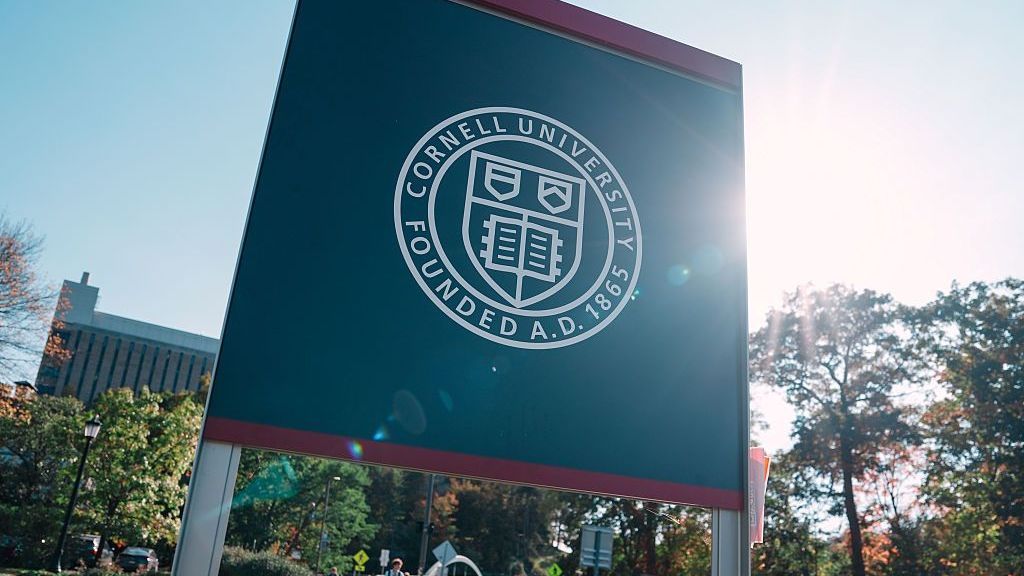
Ithaca, NY – Cornell University, one of the nation’s most prestigious Ivy League institutions, has implemented a sweeping ban on all social gatherings at campus fraternity houses for the remainder of the 2024-2025 academic year, following widespread public backlash over the university’s handling of an alleged 2024 gang sexual assault at a fraternity event. The controversial case, which has sparked renewed scrutiny of how U.S. colleges and local law enforcement respond to campus sexual violence claims, has already prompted state-level investigations and calls for systemic reform.
Last month, a 2024 assault survivor, identified only as Jane Doe in court filings, filed a civil lawsuit against Cornell and the individuals involved, alleging she was intentionally given intoxicating drugs before being gang-raped by multiple men at a fraternity party. The lawsuit and the subsequent public outcry have put immense pressure on Cornell’s administration to take decisive action after reports of institutional mishandling of the initial claim.
In an official public statement released Tuesday, Cornell President Michael Kotlikoff announced a series of urgent policy changes in response to the allegations, starting with the immediate ban on all fraternity-hosted parties. Violators of the new policy will face immediate suspension from the university, Kotlikoff confirmed.
“I am deeply sorry for the harm Jane Doe suffered in 2024, and appalled that this act of sexual violence occurred within our Cornell community,” Kotlikoff said in the statement. “It is clear that women on our campus continue to question whether they are safe. We must meet this moment by acknowledging where we have fallen short and taking meaningful action.”
Fraternities, which have operated as all-male residential social organizations on U.S. college campuses for more than a century, have long faced criticism for a pervasive culture of excessive alcohol consumption, unregulated social gatherings, and dangerous hazing practices that disproportionately put students at risk of harm. Critics have repeatedly argued that the insulated, secretive nature of many fraternity organizations creates an environment where sexual violence can occur with limited institutional accountability.
Beyond the fraternity party ban, Kotlikoff outlined several additional reforms aimed at improving support for sexual assault survivors on campus. The university will expand staffing for sexual misconduct reporting and support services, to ensure survivors have consistent, accessible guidance when navigating reporting processes and accessing care. Currently, under federal Title IX legislation, all U.S. higher education institutions are required to provide reasonable support to help survivors continue their education after an assault; Doe’s legal team has confirmed she dropped out of Cornell following the alleged attack.
In a key change to investigative protocols, Kotlikoff announced the university will allow specially trained, trauma-informed officers from the New York State Police to lead all criminal investigations of on-campus sexual assault allegations going forward. These officers will conduct interviews with survivors who wish to pursue criminal charges and prepare full, comprehensive investigative summaries for the relevant prosecuting agency.
This change comes after sharp criticism of the information sharing between Cornell’s internal investigation and the local Tompkins County District Attorney’s office. Out of hundreds of documents generated by Cornell’s internal probe, Tompkins County DA Matthew Van Houten confirmed his office only received a six-page victim statement and Snapchat messages from the party showing fraternity members advertised a free sexual encounter with Doe. State officials have also publicly criticized Van Houten’s decision to not bring criminal charges or conduct independent interviews with Doe and potential witnesses. In response to growing outcry, New York Governor Kathy Hochul has appointed State Attorney General Letitia James to lead an independent investigation into both the university’s handling of the case and the DA’s prosecutorial decision-making.
Finally, Kotlikoff confirmed Cornell will bring in national sexual violence prevention experts to conduct an independent review of systemic factors contributing to campus sexual violence at Cornell, and to develop evidence-based strategies to promote a culture of consent and responsible sexual citizenship. The president emphasized that the announced reforms are just the first step in what will be a broader process of systemic change to improve campus safety.
The case has reignited national debates about accountability for campus sexual assault, with survivors’ advocacy groups pointing to it as evidence of ongoing failures by both university administrations and local law enforcement to protect students and hold perpetrators accountable.