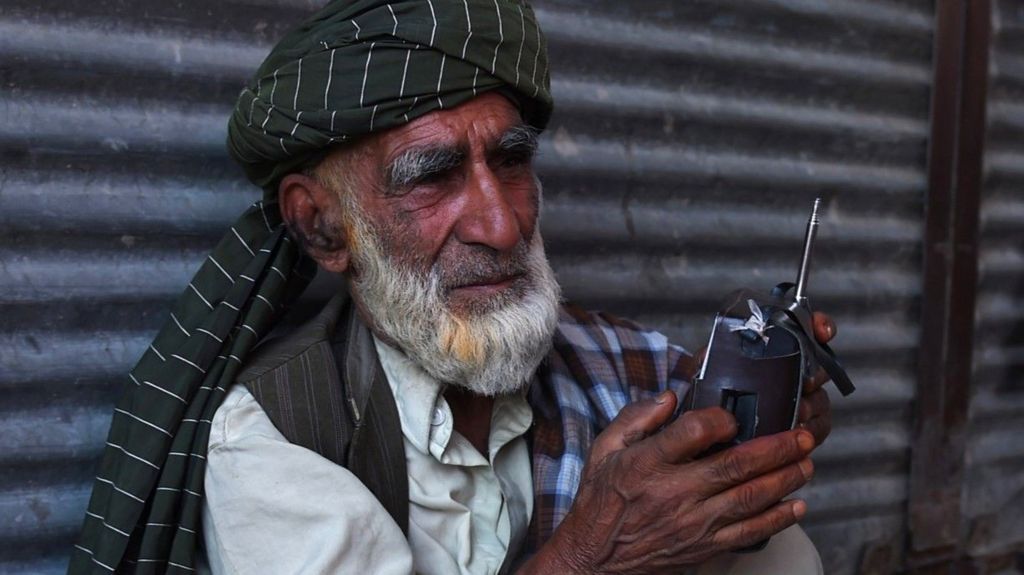
In a sudden move that has cut off millions of Afghans from a key source of independent information, Afghanistan’s ruling Taliban administration has halted all BBC transmissions on FM radio networks throughout the country. Taliban spokesperson Khubaib Ghufran, speaking for the Ministry of Information and Culture, confirmed the suspension to local Afghan media, citing unspecified “repeated violations” by the international broadcaster, but offered no further details on what those violations entailed.
Prior to this suspension, the BBC held the distinction of being the last remaining major international news organization still permitted to operate inside Afghanistan’s borders. Two United States-based media outlets were already banned from conducting on-the-ground work in the country in 2022. For millions of Afghans, the BBC’s service has long been the primary source of reliable, unfiltered news and information. Beyond straight news reporting, the broadcaster also produces educational content specifically for girls who have been barred from attending secondary education by the Taliban government. Each week, the BBC’s programming reaches more than one in five adult Afghans across the country through its multi-platform distribution.
In an official statement released after the suspension was announced, the BBC said it is currently engaging with Taliban authorities to resolve the issue. While FM transmissions are now offline, the broadcaster emphasized that it remains committed to serving Afghan audiences. It continues to deliver news and content in three languages — Pashto, Dari, and English — via alternative distribution channels, including shortwave and medium wave radio, online digital platforms, and satellite television.
This latest action is part of a broader pattern of tight media control imposed by the Taliban since it retook full control of Afghanistan in 2021. Under current regulations, all music broadcasts are banned, and strict gender rules have drastically reduced the visibility of women in local media. Women are no longer allowed to appear on air alongside male colleagues, a marked shift from the period before the Taliban’s return to power. While some social media platforms remain accessible to Afghan users, widespread power outages across much of the country, prohibitively high internet costs, and low national literacy rates create major barriers that prevent many people from accessing alternative sources of information. The BBC’s Afghan service has a long history in the region, having operated continuously since 1981 through decades of political upheaval and regime change.