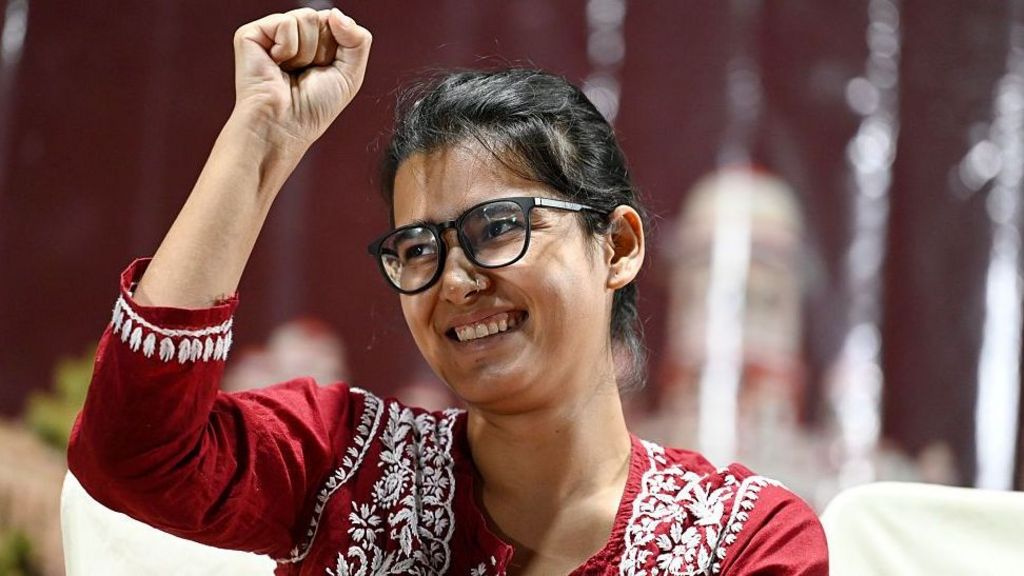
As thousands of Gen Z-led demonstrators prepare to march through New Delhi this weekend demanding the resignation of India’s top election official, one figure has risen to become the most visible face of this growing grassroots movement: 29-year-old PhD scholar and lifelong student activist Neha Bora. A theatre artist and two-year president of the All India Students’ Association (AISA), a left-wing campus-focused political organization, Neha, who uses they/them personal pronouns, has transformed from a little-known campus organizer to a nationally recognized leader in what analysts describe as one of the most substantial challenges to Prime Minister Narendra Modi’s 12-year incumbency. In recent days, viral footage of Neha being dragged through city streets by female police officers, climbing over riot barricades, raising a clenched fist to shout protest slogans, and even smiling calmly while being led into police detention has captured national attention, turning the young activist into a symbol of youth resistance against the ruling Bharatiya Janata Party (BJP). Speaking in a recent interview with BBC Bangla, Neha downplayed the outsized attention they have received, emphasizing that their actions are no different from hundreds of other left-wing student activists across the country. “It just looks different because it was caught on camera,” Neha explained. “All of my comrades have done the same work I have. I just happen to be the one in front of the lenses right now.” This rising profile for Neha comes amid a surge in nationwide street protests led by young Indian activists, who have targeted the Modi government on multiple fronts, from education policy to electoral integrity. The weekend demonstration in Delhi is organized by the Cockroach Janta Party (CJP), a viral Gen Z-led satirical political movement that first made national headlines over the summer for weeks of sit-ins and marches demanding education reform, a campaign that ultimately ended in July after forcing the resignation of India’s education minister. Now, the CJP is targeting Chief Election Commissioner Gyanesh Kumar, calling for his ouster over unproven allegations that he manipulated national electoral rolls to favor Prime Minister Modi’s BJP. Both the Election Commission of India and the BJP have forcefully rejected these claims. While AISA is not affiliated with the CJP, Neha has confirmed that their student group will join the 10 October protest at Delhi’s iconic Jantar Mantar protest ground to stand in solidarity with the demands for electoral accountability. Neha’s path to national activism began in childhood, growing up as the child of an Indian Army officer who moved across multiple northern postings throughout their youth. After completing an undergraduate degree at the University of Delhi and a master’s degree at the capital’s Ambedkar University, Neha enrolled in a PhD program at Jawaharlal Nehru University, one of India’s most prestigious and politically active higher education institutions. They first entered the national spotlight during the CJP’s summer education reform protests. Though Neha and AISA joined the movement from its opening days, they remained largely out of public view until 28 June, when renowned educationist and scientist Sonam Wangchuk launched a hunger strike in support of the CJP’s demands, and Neha joined the fast alongside other AISA activists. “It was an obvious choice for us,” Neha said later. “We have been protesting against exam paper leaks and harmful education reforms for years, so this fight was already ours.” While most of the media focus at the time centered on Wangchuk, whose high profile helped galvanize broad public support for the movement, Neha’s unapologetic rhetoric and fiery on-site speeches began drawing growing attention. After Wangchuk and other fasting activists were transferred to hospital for medical care, Neha continued the hunger strike alone, eventually losing 8 kilograms before they too were admitted for treatment. From their hospital bed, Neha released a video reaffirming their commitment to the movement: “The fight does not end here. Once I recover, I will be back on the streets to continue fighting for our rights.” When the summer protests concluded with the education minister’s resignation in July, Neha had solidified their status as a leading voice of India’s Gen Z political resistance, regularly courted by the CJP, national media, and even mainstream opposition leaders, appearing alongside Congress party figurehead Rahul Gandhi at multiple press events. The newfound fame has not come without personal and political cost, however. Neha’s longstanding involvement with left-wing politics and public criticism of Prime Minister Modi, Home Minister Amit Shah, and other senior BJP leaders has created deep rifts within their own family, as Neha confirms their parents are devout BJP supporters. Last month, three separate police complaints were filed against Neha in Uttar Pradesh state by BJP representatives over claims the activist made “objectionable remarks” against the state’s chief minister. The complaints came just two days after AISA filed its own police report confirming Neha had received multiple written death threats. Neha, who has traveled across dozens of Indian cities to organize student-led protests, also made headlines earlier this year when a male assailant allegedly threw ink at them during a march in Jharkhand state. Neha shared a photo of their ink-streaked face on Instagram, and local police detained the attacker shortly after the incident. The repeated clashes with police, multiple detentions, and unwavering commitment to street protest have earned Neha a reputation as a fearless grassroots organizer, a label the activist embraces. In their BBC Bangla interview, Neha argued that street protest has always shaped the trajectory of Indian politics, a trend they believe will only grow in the coming years. “If we look at every major social change in India’s recent history, none of those changes came from people sitting in parliament,” they said. “They came from the streets, and the streets will continue to lead change. Now, as Delhi’s authorities prepare for the 10 October demonstration against the Chief Election Commissioner, Neha and AISA are ready to return to the streets alongside the CJP, with a shared message of defending Indian democracy.”