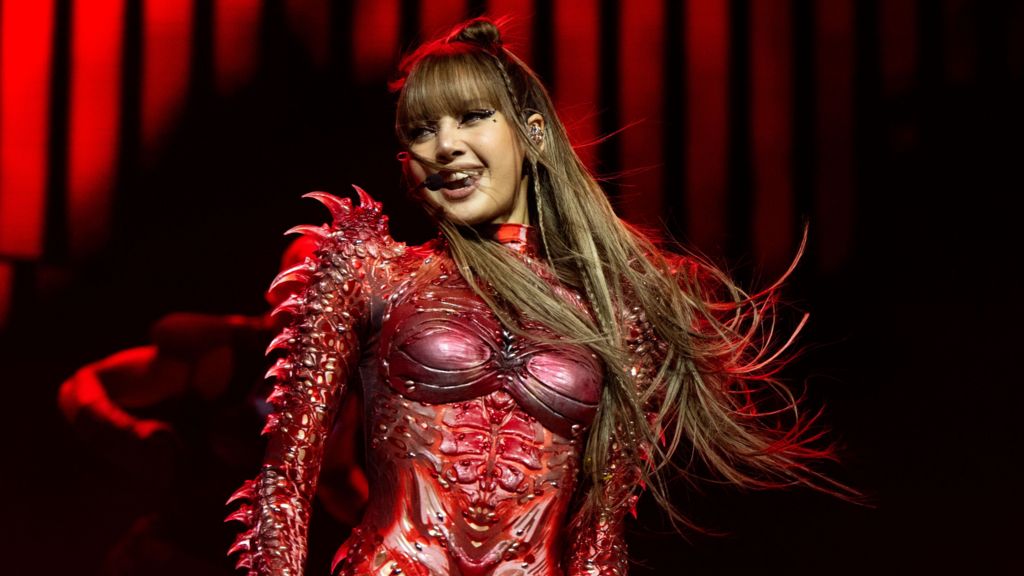
When global K-pop superstar Lisa Manobal found herself at the center of a viral online controversy in 2025, documentarian Sue Kim saw an opportunity to capture an unscripted, human portrait of one of the world’s most famous idols. The result, *Always Lalisa* – set to hit global cinemas on October 12 – pulls back the glittering curtain of celebrity life to reveal a young woman navigating scandal, breaking free from restrictive industry norms, and reclaiming control of her own story.
The documentary’s most raw and memorable moment came amid a firestorm of backlash that erupted just as Lisa prepared for her career-defining 2025 Coachella Festival performance. Leaked clips from Blackpink’s early trainee days, filmed when the members were still teenagers, showed the group covering American rap songs with uncensored explicit language, including the racial slur long tied to anti-Black oppression. Outraged fans quickly demanded a formal apology, but the group’s record label barred all members from releasing any public statement.
As Lisa’s team scrambled to manage the crisis, Kim gained unprecedented backstage access to the star, who had already built global fame as one fourth of record-breaking K-pop group Blackpink and earned new acclaim for her acting debut on HBO’s *The White Lotus*. Kim expected the 25-year-old singer to decline her request for an unscripted, on-camera conversation about the scandal. Instead, Lisa opened up in a raw, hour-long stream-of-consciousness monologue that has become the documentary’s emotional core.
“It’s bad,” Lisa told the camera, her voice laced with shame and nervousness. She explained that when the clips were filmed, she was just 15 or 16 years old, a Thai teen new to the K-pop system whose first language was not English. She had only heard the term in mainstream rap music, she said, and had no understanding of its violent, discriminatory history. “Now I would never ever do that because, now, I’ve got education. Now I know better. But I did wrong.” This unguarded, vulnerable response marked a stark departure from the polished, PR-approved apologies common in celebrity scandal management. While Lisa later issued a formal public apology in a *Variety* interview, some critics and fans still remain unconvinced of her remorse.
Kim told the BBC that the moment was unlike any other she had captured in her career. “There was no premeditation on Lisa’s part, there was no media training,” she explained. “I asked her one question and she just talked for an hour, and everything came out… And what you see with Lisa in that moment is so genuine, it’s impossible not to feel compassion for her.”
While the scandal forms the documentary’s most high-profile arc, the film’s core narrative follows Lisa during a 12-month break from Blackpink, as she sets out to build a solo career in the Western entertainment industry and confront the long-standing constraints of the K-pop system that shaped her from her teenage years. One of the most recognizable celebrities on the planet – with hundreds of millions of fans, multi-platinum record sales, and lucrative brand partnerships with luxury houses including Louis Vuitton and Bvlgari – Lisa opens up about feeling trapped by the industry’s strict rules, which bar idols from drinking alcohol and pursuing romantic relationships.
“I don’t want my dating to be the thing to hurt Blackpink’s popularity,” she says in the film. “But when I turned 25, I realised that this is not how you’re supposed to live your life.” That realization pushed her to make a courageous, high-stakes decision: she cut ties with YG Entertainment, the Korean agency that discovered her as a teen and guided her rise to fame, and signed a new solo deal with RCA Records in the United States.
Kim, who followed Lisa for the full 12 months of her solo venture, emphasized just how bold that choice was for someone raised in the rigid K-pop training system. “Knowing her as I do, that took an immense amount of courage,” she said. “In general, she is a very kind, sweet person – and sometimes personalities like that, they don’t want to rock the boat. Having been trained in the K-pop system from an early age, she grew acclimatised to obedience. Declaring that she wants a break is such a disruption to that way of life that I can only imagine it must have been building inside her for years.”
The documentary does not shy away from the struggles of Lisa’s transition to solo work. Viewers watch as she fights to assert her creative vision in the recording studio, breaks down in tears over anxiety about her vocal performance, and navigates relentless online abuse, including death threats, that followed the trainee video scandal. Even as safety concerns spin constantly through her head, she pushes forward with scheduled public appearances, acknowledging: “To a certain extent I have to take [criticism] and compromise, but sometimes, it’s too much.” The film also captures unguarded, unflattering moments that are rare for celebrity documentaries – including a scene where her vocal coach scolds her for what he sees as a lack of effort.
While the project was commissioned by the film division of Lisa’s record label – a studio that previously released a heavily polished, unrevealing documentary about British rock band Oasis – Kim credits Lisa with ensuring the film never became a hollow, promotional puff piece. “You never know when you meet an artist how transparent they’ll be. And I have to give all credit to Lisa because she allowed us almost total access,” Kim said. “And when I showed her the film, she never asked me to remove a single scene. That’s exceptional.”
Beyond the stress and scandal, the documentary charts Lisa’s gradual growth into greater confidence and agency. She doggedly pursues a role on *The White Lotus* third season, filming a self-taped audition that earned her the part of Mook Sornsin, a kind-hearted wellness coach, marking her first major acting credit. Filmed on location in her native Thailand, the role let her step outside the restrictive rules of her K-pop career: *The White Lotus* executive producer even quipped that “Lisa threw more parties than anyone else” on set, adding that “the defining characteristic of a Lisa party is tequila shots.”
Kim traces Lisa’s emerging independence back to her childhood, drawing a parallel between the confident seven-year-old competing in local Thai talent shows (seen in early home videos featured in the film) and the 25-year-old slowly rebuilding her sense of self. “I saw a person who was very tentative and unsure of herself slowly starting to unfold her wings. Making mistakes, but also getting back up on the horse,” Kim said.
The film closes in June 2025, as Lisa returns to Seoul to rejoin Blackpink for group commitments, leaving viewers with a nuanced portrait of her conflicting emotions. Director Kim frames the ending not as a rejection of the group that made her famous, but as a thoughtful reflection on newfound freedom. “It’s bittersweet, and I think that’s OK,” Kim said. “I don’t think people should take it as like, ‘Oh, she hates Blackpink’. It’s more that she was reflecting on this year of freedom and worrying that she wouldn’t be able to retain that. And that’s a very astute fear to have.”
In the year since the documentary wrapped filming, Lisa has completed her scheduled Blackpink duties and launched the second phase of her solo career with the new single *Sawadika*, a move Kim says she expected. A year working outside the K-pop system in the U.S. opened Lisa’s eyes to a different approach to celebrity, where artists are not required to abstain from romantic relationships or personal growth to maintain their popularity, Kim explained: “If two star performers link up, it’s almost like they get more power. That gave her a sense of like, ‘Oh, I could have a different life. I might not lose my career if I want to get married and have children’. So I think part of the reason why Lisa’s interested in continuing her solo career is that it might give her a little bit more personal freedom to be who she is.”